
A
Absorbent Cover
An absorbent cover is a type of bedding accessory designed to protect the mattress or pillows by quickly soaking up moisture. These covers are typically made from highly absorbent materials like cotton terry, bamboo, or microfiber. They feature a multi-layered design where the top layer draws in moisture while an underlying waterproof barrier prevents liquids from seeping through, safeguarding the mattress from spills, sweat, and stains.
Absorbent covers are commonly used in mattress protectors, pillow protectors, and mattress pads. They help extend the lifespan of bedding products by reducing exposure to moisture, which can otherwise lead to mold growth, odors, or fabric degradation.
Acima Financing
Acima offers lease-to-own financing solutions, enabling consumers to acquire essential items such as furniture, electronics, appliances, and more without relying on traditional credit. By partnering with over 15,000 retailers, Acima provides flexible payment plans tailored to individual financial situations.
Key Features of Acima Financing:
– No Credit Needed: Acima evaluates applicants based on income and banking history, making it accessible to those with less-than-perfect credit.
– Instant Shopping Power: Upon approval, customers receive a lease line up to $5,000, allowing immediate shopping at participating retailers.
– Flexible Payment Options: Payments are scheduled to align with the customer’s payday, offering weekly, bi-weekly, or monthly plans.
– Early Purchase Options: Customers can opt for early ownership at a discount, with significant savings available if the purchase is completed within 90 days.
Application Requirements:
– Active checking account with at least $750 of monthly income.
– Three months of income history with the current source.
– Government-issued photo ID and Social Security number or Taxpayer Identification Number.
Considerations:
While Acima provides an alternative to traditional financing, it’s important to note that the total cost of ownership may exceed the retailer’s cash price, especially if the lease extends beyond the early purchase option period. Customers are encouraged to review the lease agreement thoroughly and consider early purchase options to minimize costs.
For residents in Michigan, Acima’s lease-to-own solutions are available through various local and national retailers, offering a convenient way to obtain necessary items without immediate full payment.

Adhesive Lamination
Adhesive lamination is a process used in mattress manufacturing to bond multiple layers of foam or fabric together using specialized adhesives. This technique creates a seamless connection between layers, improving the mattress’s structural integrity and ensuring a uniform feel across the surface. Adhesive lamination is especially common in foam mattresses and hybrid designs where different types of foam (e.g., memory foam, latex, or polyurethane foam) are stacked to provide varied comfort and support.
The adhesives used are typically water-based or solvent-free, chosen to minimize off-gassing and maintain a safe, low-VOC environment. The primary goal of adhesive lamination is to prevent shifting, bunching, or separation of layers over time, enhancing the mattress’s durability and longevity without affecting breathability or comfort.
Adjustable Base
An adjustable base is a type of bed frame designed to allow users to adjust the position of their mattress, typically by raising or lowering the head, foot, or both ends of the bed. These bases often come with a motorized mechanism that enables the user to control the angle of the mattress, offering a customizable sleep experience.
How It Works:
- Motorized Controls: Adjustable bases are typically controlled via a remote control or an app, allowing users to raise the head or foot of the mattress to a preferred angle.
- Position Options: Common positions include elevating the head for reading, watching TV, or alleviating symptoms like acid reflux, or raising the foot for circulation improvement or leg elevation.
- Enhanced Functionality: Some models also feature additional functions such as massage settings, USB ports, zero-gravity positions, and memory presets for customized comfort.
Pros:
- Improved Comfort and Support: Adjustable bases allow for personalized sleep positions, which can be particularly beneficial for those with back pain, neck pain, or arthritis. Raising the head or foot can help alleviate pressure points, providing better overall comfort.
- Health Benefits: Elevating the head of the mattress can help with conditions like acid reflux, snoring, and sleep apnea, while elevating the feet can promote better circulation and reduce leg swelling.
- Customization: Users can easily adjust the bed to their desired position, whether it’s for sleeping, reading, working, or watching TV, creating a versatile sleep environment.
- Motion Isolation: Many adjustable bases reduce the risk of motion transfer, as one person can adjust their side without disturbing the other person.
- Enhanced Sleep Experience: The ability to adjust the bed’s position adds a luxury element to the sleep experience, making it a popular choice for people seeking maximum comfort.
Cons:
- Cost: Adjustable bases are typically more expensive than traditional bed frames or foundations, especially when combined with premium mattresses.
- Compatibility: Not all mattresses are compatible with adjustable bases. Some foam mattresses or hybrid models are better suited for adjustable bases, while traditional innerspring mattresses may not work as well or could be damaged over time.
- Weight and Mobility: Adjustable bases can be heavy and harder to move, which may make assembly, relocation, or travel more difficult.
- Noise: While many modern adjustable bases are designed to be quiet, older models or those with lower-quality motors may produce noise when adjusted, which could be distracting during sleep.
- Limited Aesthetic Appeal: The mechanical nature of an adjustable base may not fit every bedroom style or aesthetic, especially if it’s paired with a mattress that lacks a traditional look.
Conclusion:
An adjustable base offers significant benefits in terms of comfort, health, and personalization, making it an ideal choice for individuals with specific sleep needs or those seeking a more customizable sleep environment. However, it comes with a higher price tag, may not be compatible with all mattress types, and can be more challenging to move or set up. For those who prioritize comfort and health benefits, the investment in an adjustable base can be well worth it.
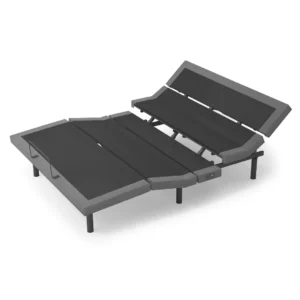
Adjustable Lumbar Support
Adjustable lumbar support is an advanced feature integrated into certain premium adjustable bed bases, such as the Rize Home Contemporary IV and Tempur-Ergo® models, designed to enhance lower back comfort and support. This feature consists of a dedicated mechanism, often a motorized platform or inflatable air bladder system, positioned beneath the lower back area of the mattress. Unlike general head or foot adjustments, the lumbar support section can be independently controlled, allowing users to fine-tune the firmness and elevation of the middle portion of the bed.
The primary purpose of adjustable lumbar support is to provide targeted pressure relief for the lumbar spine, helping to maintain the natural curve of the lower back. This can be particularly beneficial for sleepers who suffer from chronic lower back pain, sciatica, or muscle stiffness. By elevating or firming up the lumbar region, the feature promotes improved spinal alignment, reduces stress on the lower vertebrae, and helps alleviate discomfort.
This feature often includes preset and customizable settings, enabling users to find the perfect balance between comfort and support. It is especially advantageous for back sleepers who need extra lumbar reinforcement or for those who prefer a firmer feel in the lower back area without compromising the softer cushioning of the head and foot zones. The addition of adjustable lumbar support enhances the overall versatility of the bed base, making it a sought-after feature for those seeking a highly personalized sleep experience.
Adjustable Pillow
An adjustable pillow is a customizable pillow designed to meet individual sleep preferences and needs by allowing the user to modify its loft, firmness, or fill. Typically constructed with removable inserts or adjustable fill materials, such as shredded memory foam, down alternative, or latex, these pillows cater to a variety of sleep positions, including side, back, and stomach sleepers. By adjusting the amount or arrangement of the fill, users can achieve optimal neck support and alignment, which may help alleviate neck pain, reduce snoring, and improve sleep quality. Adjustable pillows are versatile, adapting to different comfort levels and changing preferences over time, making them ideal for those seeking a personalized sleep experience. Many models feature breathable covers, often made from bamboo, cotton, or other moisture-wicking materials, enhancing temperature regulation and overall comfort throughout the night.
Air Bed
An air bed (or air mattress) is an inflatable mattress that uses air for adjustable support and firmness. Made from durable materials like PVC, it’s ideal for temporary uses, like camping or guest beds, and some models work for everyday use. Key features include adjustable firmness through manual or electric pumps and portability, as they can be easily deflated and stored. Higher-end versions, such as those with dual chambers, allow custom firmness on each side, making them versatile for both short-term and long-term comfort needs.
Air Flow Channeling
Air flow channeling refers to a design feature in mattresses and bedding products aimed at enhancing breathability and temperature regulation. This technique involves strategically placing channels, grooves, or perforations within the mattress layers—often in the foam or support core—to promote air circulation. By allowing air to move more freely, air flow channeling helps disperse body heat, reduce moisture buildup, and create a cooler, more comfortable sleep environment. This design is particularly beneficial for those who tend to overheat at night, as it aids in maintaining a steady, cooler sleep surface and enhances overall mattress longevity by minimizing trapped heat and moisture.

Air Mattress
An inflatable mattress typically used for temporary sleeping arrangements, such as camping or accommodating guests.
Air-Tensioned Support System
An air-tensioned support system is an advanced mattress design that uses air-filled chambers to provide adjustable, personalized support. By modifying the air pressure in these chambers, sleepers can change the mattress’s firmness to fit their unique comfort preferences. This flexibility is particularly useful for people whose needs may shift over time, such as those with varying physical conditions or couples with different firmness preferences.
Air-tensioned systems adapt well to body contours, making them highly effective at reducing pressure points and offering better spinal alignment. Unlike traditional coil or foam mattresses, air-tensioned designs allow for a more dynamic, tailored sleeping surface that responds to movement and weight distribution. In many high-end models, the mattress includes separate air chambers for each side, which means each person can adjust their side of the bed independently. This dual-chamber setup is ideal for couples with distinct comfort needs, allowing for a fully customized experience without compromising on personal support.
This kind of support system is commonly found in premium adjustable beds, where the adjustable firmness can be matched with other features, such as head and foot elevation, to offer maximum comfort and versatility.
Air Vents
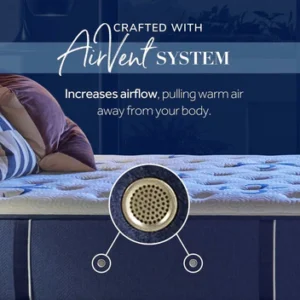
Air vents are small openings or grommets integrated into the sides of traditional mattresses to facilitate airflow within the mattress structure. Their primary purpose is to enhance ventilation, allowing the mattress to “breathe.” This airflow helps dissipate moisture and heat accumulated from body perspiration during sleep, thereby reducing the risk of mold, mildew, and unpleasant odors. In traditional innerspring mattresses, which often have dense padding and less breathable materials, these vents were crucial for maintaining hygiene and extending the mattress’s lifespan.
In modern mattress designs, the necessity of air vents has diminished. Contemporary mattresses frequently utilize advanced materials engineered for breathability and moisture-wicking properties. For instance, many modern mattresses incorporate open-cell foams, gel-infused layers, or natural fibers like latex and wool, all of which promote airflow and regulate temperature without the need for additional vents. Moreover, the construction techniques of today’s mattresses often include built-in ventilation channels or breathable covers that naturally enhance airflow.
Given these advancements, the inclusion of air vents in modern mattresses is generally not essential. The materials and technologies employed in current mattress manufacturing effectively address the issues of heat retention and moisture buildup that air vents were originally designed to combat. Therefore, while air vents played a significant role in the past, they are less critical in the context of modern mattress engineering.
Airlume Cotton
Airlume cotton is a premium, high-quality cotton known for its softness, durability, and eco-friendly production process. Used primarily in clothing and bedding, Airlume cotton undergoes a special combing process that removes impurities and shorter fibers, resulting in a smoother, softer texture and reducing pilling.
Key Features:
- Extra Softness: The combing process gives Airlume cotton an ultra-soft feel, ideal for sensitive skin.
- Durability: Removing shorter fibers reduces the likelihood of fraying and increases the fabric’s longevity.
- Eco-Friendly: Airlume cotton production emphasizes reduced water use and fewer pollutants, making it a more sustainable option.
Airlume cotton is perfect for those seeking luxurious, eco-conscious bedding or apparel that’s both gentle on the skin and the planet.

Alaskan King
The Alaskan King mattress is one of the largest mattress sizes available, designed for those who require an extensive sleeping surface.
Alaskan King Mattress:
- Dimensions: 108 inches wide by 108 inches long.
- Description: The Alaskan King mattress offers a generous sleeping area, providing ample space for couples or individuals who enjoy sprawling out while they sleep. Its substantial size makes it particularly well-suited for larger bedrooms, ensuring that it fits comfortably without overwhelming the space.
- Ideal For: This size is perfect for families who want to share a bed with children or pets, as well as for those who simply enjoy the luxurious feeling of a vast sleeping surface. It’s also a great option for individuals who may need more room due to personal preferences or medical conditions.
- Considerations: Due to its size, finding sheets and bedding specifically designed for an Alaskan King mattress can be challenging, as they are less common than standard sizes. Additionally, you will need a sturdy bed frame and support system to accommodate the weight and dimensions of such a large mattress.
All-Season Bedding
All-season bedding is designed to provide comfort throughout the year, adapting to both warm and cool temperatures. This type of bedding typically features materials and construction methods that balance insulation and breathability, ensuring a comfortable sleep environment regardless of season.
- Temperature Regulation: All-season bedding often includes moisture-wicking and breathable materials, such as cotton, bamboo, or specialized polyester blends, to help keep sleepers cool in the summer and warm in the winter.
- Versatile Fill: Many all-season comforters and blankets use a medium-weight fill, like down alternative or lightweight wool, providing a balance of warmth and air circulation for year-round use.
- Layered Options: Some all-season bedding sets include multiple layers or detachable inserts, allowing users to customize warmth based on seasonal needs.
This type of bedding is ideal for those who want a single set of bedding that performs well in changing climates, eliminating the need to switch blankets or comforters throughout the year.
Allergen-resistant Bedding
Allergen-resistant bedding is designed to minimize the presence of allergens such as dust mites, mold, and pet dander, making it ideal for allergy sufferers. This bedding typically features tightly woven fabrics, hypoallergenic materials, and special treatments to create a barrier against common allergens.
- Materials: Allergen-resistant bedding often uses synthetic fibers like microfiber or tightly woven cotton, which naturally repel dust mites and prevent allergens from embedding in the fabric.
- Covers and Encasements: Many allergen-resistant bedding products include mattress and pillow encasements with zipper closures that create a sealed barrier around bedding surfaces, blocking dust mites and other particles.
- Anti-microbial Treatments: Some bedding is treated with anti-microbial agents to inhibit the growth of mold, mildew, and bacteria, which can trigger allergic reactions.
Allergen-resistant bedding is a good choice for people with asthma or seasonal allergies, as it helps create a cleaner, healthier sleep environment. Regular washing and maintenance can further enhance the effectiveness of allergen-resistant products, ensuring fewer irritants in the sleeping area.
Alternative Down
Alternative down is a synthetic fill designed to mimic the lightweight warmth and softness of natural down feathers, providing a hypoallergenic, cruelty-free option for bedding. Often made from polyester microfiber, alternative down offers similar insulation and comfort without the use of animal products, making it ideal for those with allergies or ethical concerns.
- Hypoallergenic: Unlike natural down, alternative down resists dust mites and allergens, making it suitable for sensitive individuals.
- Easy Maintenance: Alternative down products are generally machine-washable, more resistant to clumping, and easier to care for over time.
- Cost-Effective: Synthetic fill is usually more affordable than natural down, offering a cozy, warm sleep experience at a lower price point.
Alternative down is used in various bedding products, including comforters, pillows, and mattress toppers, delivering warmth and comfort with enhanced cleanliness and ethical appeal.
Anti-Microbial Fabric
Anti-microbial fabric is treated or manufactured to inhibit the growth of microorganisms such as bacteria, mold, and mildew, making it ideal for bedding, clothing, and upholstery. This type of fabric promotes a cleaner and healthier environment by reducing odor and stains caused by bacterial growth, which can enhance the longevity and freshness of textiles.
- Treatment Methods: Anti-microbial properties can be achieved through coatings or treatments with substances like silver ions, copper, or other non-toxic chemicals that naturally resist microbial growth.
- Benefits:
- Odor Control: By preventing bacteria buildup, anti-microbial fabrics help reduce unwanted odors, which is particularly beneficial for bedding and activewear.
- Extended Freshness: These fabrics stay fresher for longer, requiring less frequent washing.
- Hypoallergenic: Anti-microbial properties can reduce allergens, making it an excellent choice for allergy-prone individuals.
Common in bedding, medical textiles, and workout gear, anti-microbial fabrics provide added peace of mind by creating a cleaner, more hygienic environment for sleep and daily use.
Anti-Slip Bottom
An anti-slip bottom is a design feature on various products, such as mattress toppers, rugs, and cushions, intended to prevent slipping or shifting on smooth surfaces. It typically involves a textured or rubberized material applied to the underside, creating friction that keeps the product securely in place.
- Construction: Anti-slip bottoms often use silicone or rubber dots, patterns, or grids that grip surfaces effectively without damaging or sticking permanently.
- Applications:
- Mattress Toppers: Prevents the topper from moving on the mattress, enhancing comfort and stability.
- Rugs and Cushions: Keeps items from sliding on floors or furniture, improving safety and appearance.
- Benefits: An anti-slip bottom provides added safety, reduces the need for readjusting, and ensures consistent comfort, especially useful in high-traffic or frequently used areas.
This feature is ideal for products that require stability and minimizes movement, making it both practical and convenient in everyday settings.
Antique Bed
An antique bed is a piece of bedroom furniture crafted over a century ago, prized for its historical charm, unique craftsmanship, and timeless design. Often made from solid woods like mahogany, oak, or walnut, antique beds showcase intricate detailing, such as carved headboards, ornate footboards, and vintage hardware. These beds might feature styles from distinct eras—like Victorian opulence, Art Deco sleekness, or the rustic appeal of Colonial designs—each reflecting the aesthetics and materials of its time.
Unlike modern beds, antique beds may require special care and maintenance, as they’re often handcrafted and built with methods no longer common today. They can also bring a sense of character to a bedroom, blending well with both traditional and eclectic interiors. An antique bed isn’t just a functional piece; it’s a way to bring history and artistry into the everyday space of a bedroom.
Apron
The fabric edging that runs around the perimeter of a mattress, adding structural integrity and aesthetic appeal.
Articulated Bed Frame
An articulated bed frame is a specialized frame that allows sections of the bed, typically the head and foot areas, to move independently or in unison. This adjustability supports a range of reclining and elevated positions, providing tailored comfort and various health benefits. Articulated bed frames are often paired with adjustable mattresses, allowing users to sit up, recline, or lift their legs by adjusting the bed’s position with a remote control or manual mechanism.
Articulated frames are especially valued in healthcare settings and for individuals with specific medical needs, as they can improve circulation, reduce pressure on certain areas of the body, and help with conditions like acid reflux or sleep apnea. But they’re also popular in home settings, where people use them for activities like reading, watching TV, or simply finding a more comfortable sleep position. These frames bring a functional, adaptable element to the bedroom, turning it into a more versatile space for rest and relaxation.
B
Back-Sleeping (Supine) Position
A back sleeper is someone who naturally sleeps lying on their back, with their spine aligned in a supine position. This sleep posture is often recommended for spinal alignment, as it allows the back, neck, and head to rest in a neutral position without excessive curvature.
For back sleepers, a mattress with balanced support—typically medium-firm to firm—can help maintain proper alignment by preventing the lower back from sinking in too deeply. The right pillow is also crucial, as it should provide gentle neck support without elevating the head too high, which could strain the neck.
Back sleeping may benefit people prone to acid reflux, as the head can be slightly elevated to reduce symptoms. However, it’s less ideal for those who snore or have sleep apnea, as this position can sometimes exacerbate these issues. Overall, back sleeping has potential to support spinal health and reduce pressure points, though it may require specific mattress and pillow support to fully benefit from this position.
Baffle Box Construction
Baffle box construction is a technique used in bedding products like comforters, duvets, and some mattress toppers to keep fill material—typically down, down alternative, or other insulating fibers—uniformly distributed. In this construction, internal fabric walls, or “baffles,” create a grid-like structure, forming individual compartments (or “boxes”) throughout the item.
These baffles allow the fill to expand and loft within each compartment while preventing it from shifting or clumping to one side, which helps maintain consistent warmth and fluffiness across the entire surface. Baffle box construction is particularly popular in high-quality, insulated bedding because it offers:
- Even Warmth: Each box retains fill evenly, preventing cold spots.
- Enhanced Loft: Baffles provide room for the fill to expand fully, maximizing insulation.
- Improved Durability: The grid-like structure helps the bedding maintain its shape over time.
This design is ideal for those seeking cozy, even warmth without the hassle of constantly fluffing or redistributing the fill. Baffle box construction is often seen in premium bedding for a long-lasting, plush feel.
Bamboo Bedding
“Bamboo bedding” typically refers to bed sheets, pillowcases, mattress protectors, or mattress covers made from bamboo-derived fibers. Contrary to some misconceptions, the term does not imply that the mattress itself is made of bamboo or contains bamboo material within its core. Instead, it specifically highlights the use of bamboo-based textiles in the outer layers or covers of bedding products.
The production of bamboo bedding involves processing bamboo pulp into a viscose or rayon fabric. While bamboo is a natural and sustainable raw material, the process of converting it into fabric can be chemically intensive, involving the use of solvents to break down the tough bamboo fibers into a spinnable pulp. The resulting fabric, often labeled as bamboo viscose or bamboo rayon, is known for its silky smooth feel, breathability, and moisture-wicking properties.
Key Characteristics of Bamboo Bedding:
- Moisture-Wicking: Bamboo fibers are highly absorbent and can wick away moisture, helping sleepers stay cool and dry throughout the night.
- Temperature Regulation: The breathability of bamboo fabric allows for better airflow, making it a popular choice for hot sleepers or those in warm climates.
- Hypoallergenic: Bamboo bedding is naturally resistant to allergens like dust mites, making it suitable for individuals with allergies or sensitive skin.
- Softness: Bamboo fabric has a smooth, silky texture, often likened to luxury fabrics like silk or high-thread-count cotton.
Common Misconception:
Many consumers mistakenly believe that when a mattress is marketed as containing “bamboo,” the mattress layers themselves include bamboo material. In reality, bamboo is almost exclusively used in the fabric components, such as the mattress cover or protector. It is rare for bamboo fibers to be incorporated into the foam or core layers of a mattress. Instead, bamboo-based textiles are selected for their comfort, cooling, and antimicrobial properties, making them an ideal choice for bedding products.
Is Bamboo Bedding Eco-Friendly?
While bamboo is a fast-growing, renewable resource, the environmental impact of bamboo bedding depends largely on the manufacturing process. Some bamboo textiles are produced using environmentally friendly methods, such as the lyocell process, which uses non-toxic solvents and recycles water. However, many bamboo fabrics on the market are made using the viscose process, which can involve harsh chemicals. For the most sustainable option, look for bamboo bedding labeled as Oeko-Tex® certified or produced with the closed-loop lyocell process.

Bed Base
A bed base is the foundational support structure that holds a mattress, providing stability, ventilation, and sometimes additional height. It serves as the crucial layer between the mattress and the floor, playing an essential role in enhancing comfort, longevity, and mattress performance.
Types of bed bases include:
- Box Springs: Traditional bases made of a wooden frame with springs inside, designed to absorb shock and provide bounce, often used with innerspring mattresses.
- Platform Bases: Solid, flat bases that don’t require a box spring, ideal for foam or hybrid mattresses, offering firm support without added height.
- Adjustable Bases: Motorized bases that can elevate the head and foot sections, catering to various comfort positions and health needs.
- Slatted Bases: Bases with spaced wooden slats, allowing airflow under the mattress and supporting a range of mattress types, from foam to innerspring.
Each type of bed base brings its unique qualities, enhancing specific mattress features like support, comfort, and ventilation. Choosing the right base depends on mattress type, personal comfort preferences, and desired sleep experience.
Bed Bug
Bed bugs (Cimex lectularius) are small, parasitic insects that feed on human blood, primarily during the night. They are reddish-brown, wingless, and approximately the size of an apple seed when fully grown.
Life Cycle of Bed Bugs:
Bed bugs undergo a simple metamorphosis consisting of three main stages:
- Eggs: Female bed bugs lay tiny, white eggs about the size of a pinhead. These eggs hatch within 6 to 10 days, depending on environmental conditions.
- Nymphs: Upon hatching, bed bugs enter the nymph stage, passing through five instars (growth stages). Nymphs require a blood meal to molt and progress to the next stage. Each nymphal stage lasts about a week under favorable conditions.
- Adults: After the final molt, bed bugs reach adulthood. Adults can live for several months to a year, depending on factors like temperature and availability of food. They can survive for extended periods without feeding, making them resilient pests.
Understanding the bed bug life cycle is crucial for effective control and prevention, as interventions can be targeted at specific stages to disrupt their development and reproduction.

Bed Bug Resistant Fabric
Bed bug-resistant fabric is specially designed to prevent bed bugs from infesting and nesting within bedding, mattresses, and other upholstered items. Typically used in mattress encasements, pillow covers, and protective bedding products, this fabric acts as a barrier against these pests.
The fabric is usually tightly woven, with pores small enough to prevent bed bugs from penetrating through to the interior of the mattress or pillow. Some bed bug-resistant fabrics are also treated with non-toxic repellents or microencapsulated insecticides to deter pests. These materials can be beneficial in high-traffic or shared sleeping environments, such as hotels, dormitories, or multi-family homes, where bed bug exposure might be higher.
By creating an effective barrier, bed bug-resistant fabric helps contain existing infestations and can prevent new ones, adding a layer of protection and peace of mind to the sleeping space.
Bed Frame
A bed frame is the primary structure that supports a mattress and raises it off the floor, providing both stability and style in a bedroom setup. Bed frames come in various materials, including wood, metal, and upholstered designs, and they range from minimalist to elaborate in style.
Key components of a bed frame include:
- Headboard (and sometimes a footboard), which adds design appeal and extra support.
- Side rails that connect the headboard and footboard, forming the frame’s main structure.
- Bed slats or platform base that support the mattress, eliminating the need for a box spring in some cases.
Bed frames come in numerous styles, such as platform, canopy, sleigh, and adjustable frames, each with distinct features suited to different tastes and mattress types. A well-chosen bed frame not only supports a mattress but also enhances the bedroom’s aesthetic, creating a focal point in the room while adding functional support.
Bed Height
Bed height refers to the distance from the floor to the top of the mattress, impacting both the look of a bed and its accessibility. Ideal bed height varies based on personal preference, health considerations, and design style.
Factors affecting bed height include:
- Type of Bed Frame: Platform beds are generally lower, closer to the floor, while traditional frames with box springs create a higher profile.
- Mattress Thickness: Mattresses vary in thickness, with plusher models adding extra height.
- User Accessibility: For some, especially elderly individuals, a higher bed height allows for easier access, while others prefer a lower height for aesthetic or practical reasons.
Standard bed height is typically between 20 to 25 inches, though modern low-profile beds might be closer to 18 inches. A bed at the right height should allow a person to sit on the edge with feet flat on the floor, knees at a 90-degree angle, providing a comfortable entry and exit. Choosing the optimal bed height balances functionality with design, creating a practical and visually pleasing sleep setup.
Bed-in-a-Bag
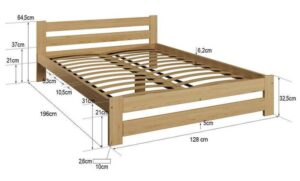
A bed-in-a-bag is an all-in-one bedding set that includes multiple coordinated pieces designed to outfit a bed completely. These sets typically come with essentials like a comforter, fitted sheet, flat sheet, pillowcases, and sometimes decorative pillow shams, bed skirts, or even small decorative pillows, depending on the package.
The appeal of a bed-in-a-bag lies in its convenience and cohesive design. Each piece is chosen to match in color, pattern, and style, creating a unified look for the bed without the need to mix and match individual items. Available in a variety of colors, patterns, and materials, bed-in-a-bag sets are a quick and affordable way to refresh a bedroom’s look with minimal effort.
Ideal for dorm rooms, guest bedrooms, or anyone looking for a fuss-free bedding solution, these sets offer a simple way to achieve a complete, stylish look with everything you need in one package.
Bed-in-a-Box
A bed-in-a-box is a mattress that has been in a compact box for convenient shipping and delivery. This design allows the mattress to be easily transported and maneuvered into a bedroom, making it popular for online mattress shopping. Once unboxed, the mattress gradually expands to its full size and shape, typically within a few hours.
Bed-in-a-box mattresses are available in various materials, including memory foam, latex, hybrid, and even innerspring varieties. They are engineered to retain their quality and durability despite the compression process, providing the same comfort and support as traditionally delivered mattresses.
This type of mattress appeals to those looking for a convenient, hassle-free shopping experience and easy setup. It’s a practical solution for apartments, dorms, or any space where navigating stairs and tight doorways might be challenging with a full-size mattress.
Bed Linen
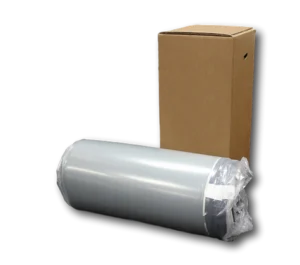
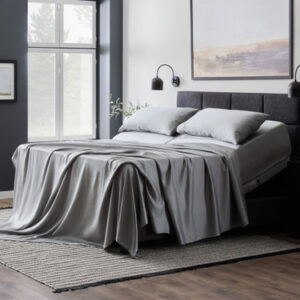
Bed linen refers to the various types of fabric coverings used on a bed, including sheets, pillowcases, and often duvet covers or bedspreads. Bed linen is essential for comfort, hygiene, and aesthetics, as it creates a soft layer between the sleeper and the mattress while enhancing the look of the bedroom.
Common items classified as bed linen:
- Fitted Sheet: A sheet with elasticated corners designed to hug the mattress, providing a smooth sleeping surface.
- Flat Sheet: A top sheet that lies between the sleeper and the duvet or blanket, adding an extra layer of warmth and protection.
- Pillowcases: Fabric covers for pillows, designed to match or coordinate with other bedding.
- Duvet Cover: A removable cover for duvets or comforters, protecting them and adding style to the bed.
Bed linens come in various materials, including cotton, linen, silk, and synthetic blends, each offering different benefits in terms of softness, durability, and temperature regulation. Quality bed linen not only enhances sleep comfort but also serves as a key decorative element, allowing for easy updates to the look of a bedroom.
Bed Pinnings
Bed pinnings refer to the components, fasteners, or hardware elements that hold a bed frame together, ensuring structural integrity and stability. This term encompasses the various screws, bolts, brackets, and pins that connect the bed’s different parts, such as the headboard, footboard, side rails, and support slats.
Typically hidden from view, bed pinnings are essential for:
- Maintaining Stability: Proper pinnings keep the bed frame sturdy, preventing wobbling or shifting during use.
- Ease of Assembly and Disassembly: They allow for straightforward setup and breakdown, which is particularly useful for moving or reconfiguring the bed.
- Structural Support: They contribute to the bed’s overall weight-bearing capacity by keeping each component securely in place.
Though often overlooked, quality bed pinnings are essential for durability and longevity, ensuring that the bed frame remains solid and reliable over time.
Bed Rails
The side parts of a bed frame that hold the mattress in place.
Bed Skirt
A bed skirt, also known as a dust ruffle, is a decorative piece of fabric that drapes over the sides of the bed frame, covering the space between the mattress and the floor. It is typically placed beneath the mattress and flows down to the floor, concealing the box spring, bed frame, or under-bed storage, while adding a finished look to the bed.
Bed skirts serve several purposes:
- Aesthetic Appeal: They provide a polished, cohesive look to the bed setup and can add texture, color, or style to the bedroom decor.
- Concealment: Bed skirts effectively hide any storage items kept under the bed, maintaining a tidy appearance.
- Dust Protection: By covering the lower part of the bed, they help prevent dust from accumulating under the bed.
Available in various fabrics, colors, and styles, such as pleated, ruffled, or tailored, bed skirts offer a versatile way to enhance the look of a bed while adding functional benefits.
Bed Slats
Bed slats are narrow, flat strips of wood, metal, or composite material placed horizontally across a bed frame to support the mattress. Acting as a foundation, they provide stability and distribute weight evenly, eliminating the need for a box spring in many modern bed setups.
There are two main types of bed slats:
- Solid (fixed) slats: Rigid slats that offer a firm, steady foundation. They’re spaced closely together and provide uniform support, ideal for those who prefer a firm mattress feel.
- Sprung (flexible) slats: Slightly curved slats that offer a bit of give, providing a softer, more cushioned feel. These slats can contour slightly to body weight, which can help alleviate pressure points.
Bed slats also promote airflow beneath the mattress, reducing moisture buildup and extending the mattress’s lifespan. Easy to install and maintain, they’re a simple yet effective support solution, compatible with various mattress types and bed styles.
Bed Wedge
A bed wedge pillow is a triangular-shaped pillow designed to elevate the upper body, legs, or feet while sleeping or resting. Unlike traditional pillows, which are typically soft and used for neck support, wedge pillows are firm and angled, providing a gradual incline. They are often used as a versatile tool for improving comfort and addressing specific health issues, making them popular among sleepers seeking targeted relief.
Common Uses and Benefits:
- Acid Reflux and GERD Relief:
- One of the primary uses for a bed wedge pillow is to alleviate symptoms of acid reflux or gastroesophageal reflux disease (GERD). By elevating the upper body, the wedge pillow helps prevent stomach acid from traveling back up the esophagus, reducing discomfort and promoting a more restful sleep.
- Snoring and Sleep Apnea:
- Elevating the head and neck can help open the airways, making it easier to breathe. This can be beneficial for individuals who snore or suffer from mild sleep apnea, as the incline may help reduce airway obstruction.
- Post-Surgery Recovery:
- Bed wedge pillows are frequently recommended for patients recovering from surgeries, such as shoulder, back, or abdominal procedures. The incline offers support and helps reduce swelling by promoting better circulation.
- Leg and Foot Elevation:
- When placed under the legs or feet, a wedge pillow can assist with conditions like varicose veins or swelling. Elevating the legs helps improve blood flow, reduces pressure, and alleviates discomfort.
- Back Support for Sitting:
- Wedge pillows are also used for support while sitting up in bed. The firm incline provides back support, making it easier to read, watch TV, or work on a laptop without slouching.
Features of a Bed Wedge Pillow:
- Material: Most wedge pillows are made from high-density foam, which provides the firmness needed to maintain the incline without flattening under body weight. Memory foam versions are also available, offering a softer, contouring feel.
- Incline Angle: The incline of a wedge pillow typically ranges from 15 to 45 degrees, depending on the desired level of elevation. Lower inclines are usually preferred for acid reflux relief, while higher inclines may be used for sitting up or leg elevation.
- Removable Cover: Wedge pillows often come with a removable, washable cover made from breathable materials like cotton or bamboo to help keep the pillow cool and clean.
Considerations:
When selecting a bed wedge pillow, consider the specific needs and the intended use. For example:
- A narrower wedge might be suitable for targeted leg support, while a wider wedge offers better upper body support for reflux relief.
- For hot sleepers, opting for a wedge pillow with a cooling gel layer or a breathable cover can help improve comfort.
Bedroom Accessories
Bedroom accessories are the decorative and functional items that enhance the comfort, style, and utility of a bedroom beyond basic furniture and bedding. These accessories can help create a cozy, personalized space that reflects individual tastes and needs. Common bedroom accessories include:
- Lighting: Table lamps, floor lamps, or wall-mounted sconces provide ambient lighting for relaxation and task lighting for reading or activities. Accent lighting like string lights or LED strips can add warmth and mood.
- Throw Pillows and Blankets: Decorative pillows and throws add texture, color, and comfort to the bed, allowing for seasonal or stylistic updates without major changes.
- Rugs: Area rugs or bedside runners soften the floor, add warmth, and bring in a pop of color or pattern, enhancing the room’s aesthetic while making it cozier.
- Mirrors: Wall-mounted or freestanding mirrors open up the space, reflect light, and are functional for getting ready. Mirrors with decorative frames can double as wall art.
- Artwork and Wall Decor: Framed art, photographs, tapestries, or wall-mounted shelves personalize the space, adding character and visual interest.
- Bedside Essentials: Accessories like alarm clocks, bedside trays, organizers, and small plants add convenience and personality to the nightstand.
These accessories allow for practical, aesthetic, and comfortable additions to the bedroom, making it a more inviting and functional space tailored to individual lifestyles and tastes.
Bedside Table
A bedside table, also known as a nightstand, is a small table or cabinet placed next to a bed, providing a convenient surface for essential items within easy reach. It’s a staple in bedroom design, adding both function and style.
Bedside tables typically feature:
- Surface Space: For items like lamps, alarm clocks, books, or phones.
- Storage Options: Many bedside tables include drawers, shelves, or cabinets to keep personal belongings organized, such as reading materials, glasses, or personal items.
Available in a variety of materials, finishes, and styles—from minimalist modern designs to classic wood or upholstered options—bedside tables enhance both the usability and visual appeal of a bedroom. A well-chosen bedside table not only complements the bed and decor but also adds practical storage and functionality to the sleep space.
Bedspread
A bedspread is a lightweight, decorative covering that goes over the entire bed, including the pillows and sides, reaching down nearly to the floor. It serves as the outermost layer of bedding, adding a polished, cohesive look to the bed while providing an extra layer of warmth and protection.
Typically made from materials like cotton, polyester, or blends, bedspreads come in a variety of colors, patterns, and textures, allowing them to complement a wide range of decor styles. Unlike heavier comforters or duvets, bedspreads are generally thinner, making them ideal for warmer seasons or climates.
Bedspreads are often layered with other bedding items like blankets or quilts in cooler months, but they also work well on their own for a lighter, more breathable sleep environment.
Biological Clock
The biological clock is the internal system that regulates the timing of various physiological processes, including the sleep-wake cycle, body temperature, hormone production, and metabolic functions. It is driven by circadian rhythms, which are roughly 24-hour cycles influenced by external environmental cues (zeitgebers), most notably light exposure.
The primary regulator of the biological clock is the suprachiasmatic nucleus (SCN), a small cluster of nerve cells located in the hypothalamus. The SCN receives direct signals from the eyes about light levels, helping the body align its internal rhythms with the external day-night cycle. When the eyes detect light, the SCN signals to suppress the release of melatonin, a sleep-inducing hormone produced by the pineal gland, promoting wakefulness. As light diminishes in the evening, melatonin production increases, signaling to the body that it is time to sleep.
Disruptions to the biological clock, such as from jet lag, shift work, or irregular sleep patterns, can desynchronize circadian rhythms. This misalignment may lead to sleep disorders, mood disturbances, impaired cognitive function, and increased risk of metabolic issues like obesity and diabetes. Maintaining a consistent sleep schedule, exposure to natural light during the day, and reducing light exposure at night can help support the proper functioning of the biological clock and promote overall sleep health.
Blanket
A broad term for a woven or knit bed cover used for warmth. Blankets are typically a single layer of fabric (e.g. wool, fleece, cotton) and can be layered between sheets and a top cover for insulation. (Examples include wool blankets, cotton thermal blankets, etc.)
Body Contouring Foam
Body contouring foam is a type of foam designed to conform closely to the shape of the body, providing personalized support and pressure relief. Often made from materials like memory foam or latex, body contouring foam reacts to body weight and heat, allowing it to mold around curves and support key areas like the shoulders, hips, and spine.
This foam is popular in mattresses, mattress toppers, and pillows, where it helps to:
- Relieve Pressure Points: By distributing weight evenly, contouring foam reduces pressure on areas that typically bear more load, such as the hips and shoulders.
- Support Spinal Alignment: Contouring foam supports natural body curves, which helps maintain proper alignment, especially for side and back sleepers.
- Minimize Motion Transfer: Because the foam absorbs movement, it’s particularly beneficial for couples, as one person’s movements are less likely to disturb the other.
Body contouring foam provides a balance of comfort and support, adapting to the unique shape of each sleeper for a customized, cushioned feel that enhances rest and recovery.
Bonnell Coil
The Bonnell coil is one of the oldest and most traditional types of innerspring support systems used in mattresses. Originally developed in the 19th century, the Bonnell coil design remains widely used today, particularly in value-priced mattresses and some hybrid models. The distinctive hourglass shape and interconnected spring system define this coil type, providing a balanced combination of support, durability, and affordability.
History of the Bonnell Coil
- The Bonnell coil design traces its roots back to the 1800s, where it was first used in buggy seat cushions. Its robust, hourglass-shaped springs offered enhanced comfort and support compared to flat or non-sprung cushions.
- By the early 20th century, mattress manufacturers began incorporating Bonnell coils into their designs, making it the first widely adopted innerspring system in the bedding industry.
- The name “Bonnell” is believed to be derived from the coil’s original inventor or a key early manufacturer, and it set the foundation for modern innerspring mattress technology.
Features of Bonnell Coils
- Hourglass Shape:
- Bonnell coils have a distinctive hourglass shape: the wire is wider at the top and bottom, tapering in the middle. This shape provides a responsive feel, allowing the coil to compress and conform to body weight while maintaining strong support.
- Interconnected System:
- The coils are connected to each other using helical wires (spiral-shaped wires). This interconnected design creates a unified support structure that distributes weight evenly across the mattress.
- Coil Gauge:
- Bonnell coils come in various gauges (thicknesses), typically ranging from 12 (thicker, firmer) to 15 (thinner, softer). The gauge affects the firmness and durability of the mattress.
- Coil Count:
- The number of coils in a mattress varies based on the size and design. A typical queen-size mattress with a Bonnell coil system might have 300-400 coils, with higher coil counts generally indicating better support.
Benefits of Bonnell Coils
- Affordable:
- One of the main advantages of Bonnell coil mattresses is their cost-effectiveness. The design is simpler and less expensive to manufacture than more complex coil systems like pocketed coils or continuous coils.
- Firm, Even Support:
- The interconnected coil system provides firm, consistent support across the entire mattress surface, which can be beneficial for those who prefer a firmer sleeping surface.
- Durability:
- The hourglass shape of the Bonnell coil and the use of thicker wire gauges contribute to the durability of the mattress, making it resistant to sagging and indentation over time.
- Good Airflow:
- The open design of the innerspring system allows for better air circulation, helping to keep the mattress cooler compared to foam mattresses.
Pros of Bonnell Coil Mattresses
- Cost-Effective: Generally more affordable than other innerspring or hybrid mattresses.
- Durable and Long-Lasting: The robust, interconnected design offers good longevity, especially with thicker gauge coils.
- Firm Support: Provides a solid, stable feel that many back and stomach sleepers prefer.
- Enhanced Airflow: The open structure helps with temperature regulation, making it a cooler option for hot sleepers.
Cons of Bonnell Coil Mattresses
- Motion Transfer: The interconnected coils do not isolate motion well. Movement on one side of the bed can easily be felt on the other side, making it less suitable for couples.
- Less Contouring: Compared to pocketed coils or foam mattresses, Bonnell coils offer less contouring and pressure relief, which can lead to discomfort for side sleepers or those with joint pain.
- Potential for Noise: Over time, the metal coils may start to creak or squeak, particularly in older mattresses.
- Outdated Design: While reliable, the Bonnell coil system is considered less advanced than newer innerspring technologies, such as pocketed coils or zoned coil systems, which offer better motion isolation and tailored support.
Who Should Consider a Bonnell Coil Mattress?
- Budget Shoppers: If you are looking for an affordable mattress with firm support, a Bonnell coil system is a practical choice.
- Back and Stomach Sleepers: The firm, even support provided by Bonnell coils is ideal for those who prefer a firmer mattress surface.
- Hot Sleepers: The open design of the coil system promotes airflow, making it a good option for individuals who tend to sleep hot.
Modern Usage
While Bonnell coil mattresses have been largely replaced by more advanced innerspring technologies, they are still used today in value-priced and entry-level mattress models. Additionally, some hybrid mattresses may include Bonnell coils as a base layer for firm support, topped with layers of foam or latex for enhanced comfort.
Border Rod
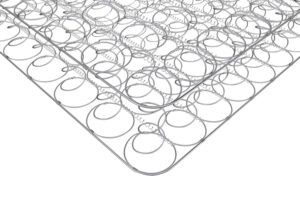
A border rod is a rigid steel wire that runs along the perimeter of an innerspring mattress, designed to reinforce the edges and provide structural stability. Traditionally found in older and value-priced innerspring mattresses, the border rod is connected to the top and bottom rows of coils using helical wires (spiral-shaped wires). This design element was once a standard feature in innerspring mattresses but has become less common with the rise of pocketed coil systems and adjustable bed bases.
Original Purpose and Features
- Edge Reinforcement:
- The border rod creates a sturdy frame around the mattress edges, preventing the coils from shifting or collapsing outward. This helps the mattress maintain its shape and reduces edge sagging, especially under pressure.
- Support for Sitting and Sleeping:
- The rigid perimeter provided by the border rod offers extra support for individuals who sit on the edge of the bed or sleep close to the sides, enhancing overall durability.
- Connection with Helical Wires:
- The border rod is typically attached to the innerspring coils using helical wires, creating a unified structure that distributes weight evenly across the mattress surface.
Decline in Use
With the ubiquitous adoption of pocketed coil systems, the inclusion of border rods in modern mattress designs has significantly decreased. Pocketed coils are individually wrapped and operate independently, offering better motion isolation and contouring than traditional interconnected coil systems. The independent nature of pocketed coils does not require the rigid framing provided by a border rod, making it largely redundant.
Additionally, the widespread popularity of adjustable bed bases has contributed to the decline of border rods. The rigid steel frame of the border rod can hinder the flexibility needed for mattresses to bend and conform to the contours of adjustable bases. If the border rod is not specifically designed to accommodate flexing, it may cause issues with mattress performance or even damage the frame over time.
Pros of Border Rods
- Enhanced Edge Support: Provides a stable, firm edge, reducing sagging and allowing full use of the mattress surface.
- Durability: Adds structural strength, helping traditional innerspring mattresses maintain their shape over time.
- Stability for Sitting: Offers firm support for individuals who frequently sit on the edge of the bed.
Cons of Border Rods
- Incompatibility with Adjustable Bases: The rigid frame can limit the mattress’s ability to flex, making it unsuitable for use with adjustable bed bases.
- Less Relevant in Modern Designs: The rise of pocketed coil systems, which provide built-in edge support, has made the border rod largely unnecessary.
- Potential for Noise: Over time, the metal components of the border rod and helical wires can creak or squeak, particularly in older mattresses.
Modern Alternatives
In today’s market, many mattress manufacturers have replaced the traditional border rod with reinforced foam encasements or edge-support systems integrated into pocketed coil units. These alternatives provide similar edge stability without compromising the mattress’s ability to flex and adapt to adjustable bases. Reinforced foam edges also offer better contouring and reduced motion transfer compared to the rigid design of border rods.
Who Might Consider a Mattress with a Border Rod?
- Budget Shoppers: Value-priced innerspring mattresses may still use border rods as a cost-effective way to provide edge support.
- Non-Adjustable Bed Users: If you use a traditional flat foundation or boxspring, a mattress with a border rod can offer long-lasting edge stability without the concern of limited flexibility.
Box-Lock Knitting
Box-lock knitting is a knitting technique that creates a textured, grid-like pattern on fabric, resembling small squares or “boxes.” This effect is achieved by alternating knit and purl stitches within each row, creating distinct sections that form the box-like design. The resulting fabric has a subtle, raised texture that adds visual interest and depth, making it popular for everything from scarves and blankets to sweaters.
The pattern is simple to work with and versatile, as it can be adapted to various yarn weights and sizes. Typically, box-lock knitting is worked in a repeating pattern, where blocks of knits and purls are organized in a way that produces a structured, geometric look. This technique is especially valued in projects that benefit from texture, as it adds a cozy, tactile quality to the fabric without being overly intricate.
Box-lock knitting is an excellent choice for both beginner and advanced knitters seeking to create a durable, structured fabric with a bit of flair.
Box Spring / Boxspring
HD Wood Foundation
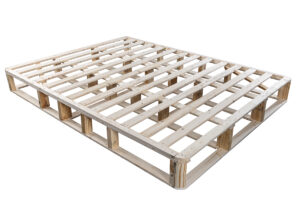
Standard Wood Foundation
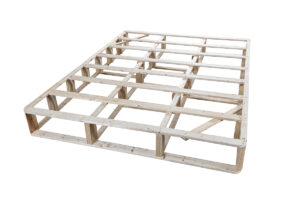
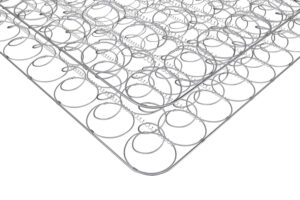
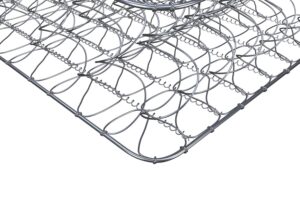
A box spring is a supportive foundation placed under a mattress to provide stability, absorb shock, and enhance the bed’s height. Traditionally constructed with a wooden or metal frame and internal springs or metal grid, a box spring works in tandem with an innerspring mattress, distributing weight evenly and extending the life of the mattress by absorbing some of the wear and tear.
Box springs offer several functions:
- Support and Stability: By supporting the mattress evenly, a box spring prevents sagging, keeping the sleep surface level over time.
- Shock Absorption: The internal springs or metal grid help absorb impact, reducing strain on the mattress and allowing it to maintain its shape longer.
- Height Addition: A box spring elevates the bed to a comfortable height, making it easier to get in and out of bed.
Modern box springs may also feature low-profile designs or use alternative constructions without springs, often referred to as “foundations,” for compatibility with memory foam or hybrid mattresses. Though not always required with newer mattress types, a box spring is still valued for its durability and added support, especially for traditional innerspring mattresses.
SemiFlex Foundation
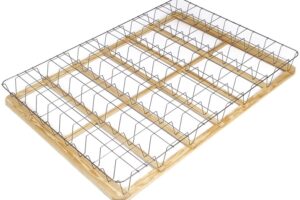
TrueFlex Foundation
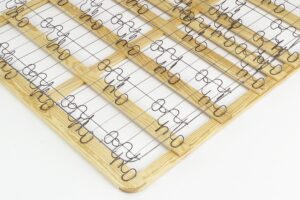
Box-Stitched
Box-stitched refers to a sewing technique commonly used in comforters, quilts, and mattress pads to create a series of square or rectangular compartments. Each “box” is stitched individually, forming a grid-like pattern that keeps the fill material—whether down, down alternative, or other insulation—evenly distributed throughout the fabric.
This technique offers several benefits:
- Even Distribution of Fill: The box stitching holds the filling securely in place, preventing it from shifting or clumping, which ensures consistent warmth and comfort.
- Enhanced Loft and Warmth: By keeping the fill in separate compartments, each section can maintain its loft, providing an even layer of insulation across the entire surface.
- Aesthetic Appeal: The grid pattern created by box stitching adds a subtle, decorative texture to bedding, making it look plush and inviting.
Box-stitched designs are commonly found in high-quality comforters and duvets, as they enhance both function and appearance, keeping the bedding looking and feeling luxurious over time.
Breathable Fabric
Breathable fabric is material specifically designed to allow air and moisture to pass through, helping to regulate temperature and keep the skin dry and comfortable. Breathable fabrics are highly valued in bedding, clothing, and activewear, as they reduce heat and moisture buildup, creating a more comfortable experience.
Common breathable fabrics include:
- Cotton: Known for its natural breathability and softness, cotton allows airflow while absorbing moisture, making it a popular choice for bedding and summer clothing.
- Linen: A lightweight, loosely woven fabric, linen is exceptionally breathable and wicks away moisture, ideal for warm climates.
- Bamboo: Bamboo fabric, often blended with cotton, is naturally moisture-wicking and has excellent breathability, often used in bedding and towels.
- Synthetic Blends: Fabrics like polyester or nylon can be engineered with moisture-wicking and quick-drying properties, making them popular in sports and performance gear.
Breathable fabrics help create a cool, dry environment, whether in bedding or clothing, making them essential for comfort in warm weather, active settings, or for those prone to overheating at night.
Bruxism
Bruxism is the involuntary grinding or clenching of teeth, which can occur while awake or during sleep. Sleep bruxism, specifically, is classified as a type of parasomnia—an abnormal behavior or movement that happens during sleep. It is typically characterized by rhythmic contractions of the jaw muscles, leading to tooth grinding, jaw clenching, or a combination of both. This condition often goes unnoticed by the person affected but can be identified through symptoms like jaw pain, headaches, and worn-down teeth.
Causes of bruxism are multifactorial and may include stress, anxiety, sleep disorders (such as obstructive sleep apnea), or misaligned teeth (malocclusion). In sleep bruxism, the grinding episodes usually occur during non-REM sleep, especially during transitions between lighter stages of sleep. It can also be linked to heightened activity of the central nervous system and increased heart rate during sleep.
Consequences of untreated bruxism can include:
- Tooth damage: Excessive grinding can wear down tooth enamel, leading to increased tooth sensitivity, fractures, and even tooth loss.
- Temporomandibular joint (TMJ) disorders: Repeated clenching may strain the jaw muscles and joints, causing pain, clicking sounds, or difficulty in jaw movement.
- Sleep disturbances: While the person grinding their teeth might not be aware of it, the noise or movement can disrupt their partner’s sleep, and severe bruxism may fragment the sleeper’s own sleep as well.
Diagnosis is often made through dental examination or by using a sleep study (polysomnography) to observe the jaw muscle activity during sleep. Wear patterns on the teeth and reports of related symptoms, like headaches or jaw discomfort, can also help diagnose the condition.
Treatment typically focuses on managing symptoms and preventing further dental damage. Common approaches include using a nightguard (a custom-fitted dental appliance worn during sleep), stress management techniques, and addressing any underlying sleep disorders. In some cases, behavioral therapies or medications may be recommended to help reduce the frequency and intensity of bruxism episodes.
Buckwheat Pillow
A buckwheat pillow is a type of pillow filled with buckwheat hulls, the hard outer shells of buckwheat seeds. Known for their firm, supportive feel, buckwheat pillows provide a unique, adjustable sleeping surface that conforms to the head and neck, offering natural support and alignment.
Key characteristics of buckwheat pillows include:
- Adjustability: The fill level can be customized by adding or removing hulls, allowing for personalized height and firmness.
- Breathability: The open structure of buckwheat hulls promotes airflow, keeping the pillow cool and reducing heat retention, ideal for those who tend to sleep hot.
- Natural Material: Buckwheat hulls are a sustainable, eco-friendly option, often used in organic and hypoallergenic pillow designs.
Buckwheat pillows may feel firmer and more textured than traditional pillows, making them popular among those seeking solid neck and head support. They are especially valued by people with neck pain or those who prefer a more natural, breathable pillow option.
Bunkie Board
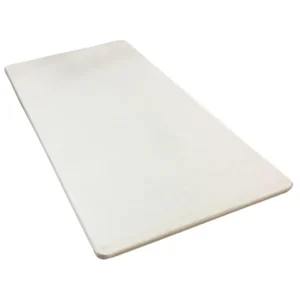
A bunkie board is a thin, solid panel (usually made from plywood or MDF) placed on top of a bed frame to add support for a mattress. It is commonly used with platform beds or bunk beds to provide additional support without adding significant height.
Pros:
- Affordable way to add support to an existing frame.
- Provides a solid base, suitable for all mattress types.
- Maintains a low profile, preserving the original height of the bed.
Cons:
- Does not offer any shock absorption, unlike boxsprings.
- May require replacement over time if it starts to weaken or sag.
General Note on Mattress Support Systems: All mattress support systems are designed to prevent sagging, ensure proper weight distribution, and maintain comfort over time. A support system should have a flat, firm surface that doesn’t allow the mattress to sag unnaturally. For most modern beds, a central support beam is crucial, particularly for queen or king sizes, to avoid “rolling together” due to inadequate center support.
C
Calendering
Calendering is a finishing process used in textile manufacturing to create a smooth, polished surface on fabric by passing it through heated rollers. This process compresses the fabric fibers, giving it a glossy, sleek appearance and often enhancing durability and water resistance. Calendering is commonly applied to fabrics like cotton, silk, polyester, and blends to improve their look and feel.
In calendering, various techniques can produce different effects:
- Glazing: A high shine is achieved by applying friction with high-pressure rollers, often with the addition of starch or resin.
- Embossing: Patterns or textures are imprinted on the fabric surface by using rollers with engraved designs.
- Waterproofing: Applying a resin or wax coating during calendering can make the fabric water-resistant, common in outerwear and technical fabrics.
This process is widely used in bedding, clothing, and upholstery to enhance aesthetics and performance, resulting in a softer, more visually appealing fabric that holds up well over time.
California King
A California King (Cal King) is a mattress size that measures 72 inches wide by 84 inches long, making it the longest standard mattress size available. Created in Los Angeles in the 1960s, the California King was initially designed by a local furniture company to cater to celebrities, athletes, and wealthy individuals who desired a more luxurious, spacious bed to fit their large California homes.
Unlike a standard king-size mattress, which is 76 inches wide and 80 inches long, the California King provides an extra 4 inches of length while being slightly narrower at 72 inches. This extended length makes it ideal for taller individuals who need additional legroom, while the slightly slimmer profile suits narrower bedrooms or those who prefer more floor space around the bed.
The California King quickly gained popularity beyond California, becoming associated with high-end comfort and stylish, mid-century modern aesthetics. Today, it remains a popular choice for taller sleepers, couples seeking extra space, and those who appreciate the luxurious proportions and unique history of the Cal King mattress.
Cashmere
Cashmere is a luxurious, ultra-soft fiber obtained from the undercoat of cashmere goats, primarily found in regions with cold climates such as Mongolia, China, and parts of the Middle East. Known for its exceptional warmth and softness, cashmere is much finer and lighter than wool, yet offers excellent insulation, making it a prized material for high-quality clothing, bedding, and accessories.
The production of cashmere is labor-intensive, as each goat produces only a few ounces of usable fiber per year, making cashmere garments and products relatively rare and valuable. Key qualities of cashmere include:
- Softness: Cashmere fibers are extremely fine and soft, resulting in a smooth, gentle feel on the skin.
- Warmth: Despite its lightweight nature, cashmere provides substantial warmth due to its excellent insulating properties.
- Durability: With proper care, cashmere can last for years without losing its softness or shape.
Used in everything from sweaters and scarves to high-end blankets and mattress toppers, cashmere offers a blend of comfort and luxury that few fabrics can match, making it a coveted material for those seeking warmth, style, and enduring quality.
Certified Organic
Certified organic refers to products that meet specific standards set by certifying organizations to ensure they are produced, processed, and handled without synthetic chemicals, pesticides, genetically modified organisms (GMOs), or artificial additives. In agriculture and textiles, certified organic practices prioritize sustainable methods that protect soil health, biodiversity, and water quality.
Products labeled as certified organic have been rigorously inspected at each stage of production. For example:
- Organic Foods: Must be grown without synthetic fertilizers or pesticides, with practices that maintain or improve soil and water quality.
- Organic Textiles: Such as cotton, wool, or linen, are produced without harmful chemicals and often use natural or low-impact dyes.
The certification process varies by region but typically follows strict guidelines set by organizations like the USDA (United States), Soil Association (UK), or EU Organic Certification (Europe). Certified organic labels assure consumers that products meet verified ecological and ethical standards, offering a sustainable option for conscious buyers.
CertiPUR-US® Certified
CertiPUR-US® Certified is a certification for polyurethane foam products, commonly found in mattresses, sofas, and other upholstered furniture, ensuring that the foam meets strict standards for health, safety, and environmental impact. CertiPUR-US® certification confirms that the foam is free from harmful chemicals and manufactured with low emissions for indoor air quality.
Key standards of CertiPUR-US® certification include:
- No Harmful Chemicals: The foam is made without ozone depleters, heavy metals (like mercury or lead), formaldehyde, and phthalates, providing a safer option for indoor use.
- Low Emissions: Certified foam has low volatile organic compound (VOC) emissions, which helps maintain better indoor air quality.
- Durability and Content: CertiPUR-US® certified foams are evaluated for durability and content, ensuring they perform well over time and contain no harmful substances.
This certification is widely recognized in the mattress and furniture industries, assuring consumers that certified products are healthier and more environmentally responsible choices.
Chambered Pillow
A chambered pillow is a pillow designed with multiple internal compartments, or “chambers,” each filled with different types or amounts of fill material. These separate chambers help control how the fill is distributed, offering a balanced combination of support and softness. Chambered pillows are commonly filled with down, down alternative, memory foam, or a mix of materials, each chamber contributing to a unique feel.
The multi-chamber design offers several benefits:
- Enhanced Support: Chambers can be filled to varying densities, providing structured support where it’s most needed, such as the neck or head.
- Improved Shape Retention: The compartments prevent the fill from shifting, helping the pillow maintain its shape and loft over time.
- Customizable Comfort: Some chambered pillows allow for adjustable filling in each chamber, allowing users to fine-tune firmness and height.
Chambered pillows are ideal for those seeking a blend of support and plushness, as the structured design provides a supportive yet adaptive sleep surface that’s less likely to flatten or clump.
Channeled Foam
Channeled foam is a type of foam used in mattress construction that features grooves or channels running through its surface or core. These channels are strategically cut or molded into the foam to enhance airflow, promote cooling, and improve flexibility. Channeled foam is typically found in comfort layers or transition layers of modern mattresses, where breathability and temperature regulation are important for a comfortable sleep experience.
Key Features of Channeled Foam
- Airflow Enhancement:
- The primary purpose of channeled foam is to increase airflow throughout the mattress. The channels create pathways that allow heat and moisture to dissipate more effectively, helping to keep the sleep surface cool and dry.
- Temperature Regulation:
- By improving ventilation, channeled foam reduces heat buildup, which is particularly beneficial for hot sleepers. The enhanced airflow prevents the foam from trapping body heat, maintaining a more consistent sleep temperature.
- Pressure Relief:
- The grooves and channels can add a slight degree of flexibility and contouring, allowing the foam to better conform to the body’s shape. This helps to relieve pressure points, particularly at the shoulders, hips, and lower back.
- Flexibility for Adjustable Beds:
- Channeled foam’s increased flexibility makes it well-suited for use in mattresses designed for adjustable bases. The channels allow the foam to bend and flex more easily without compromising its structural integrity.
Pros of Channeled Foam
- Improved Breathability: The open channels allow air to circulate freely, enhancing the foam’s cooling properties.
- Better Temperature Control: The design helps dissipate heat, making the mattress feel cooler throughout the night.
- Enhanced Pressure Relief: The grooves can improve the foam’s ability to contour to the body, reducing pressure on sensitive areas.
- Increased Flexibility: Channeled foam is more adaptable and can be easily used in mattresses compatible with adjustable bases.
Cons of Channeled Foam
- Reduced Durability: The presence of grooves can weaken the foam structure over time, making it more prone to breakdown in high-use areas.
- Potential for Uneven Support: In some cases, the channels may create an inconsistent feel across the mattress, particularly if the foam density is not carefully balanced.
- Limited Use in Certain Layers: Channeled foam is often used in comfort or transition layers but is not typically found in the support core due to its softer, more flexible nature.
Modern Applications
Channeled foam is frequently used in hybrid mattresses and high-performance foam mattresses, often combined with other cooling technologies like gel infusions or open-cell foam. The channels are typically oriented vertically or horizontally, depending on the desired airflow pattern. Some mattress designs use channeled foam specifically in zoned support systems, where the channels vary in depth or orientation to provide targeted support and enhanced pressure relief.
Who Should Consider Mattresses with Channeled Foam?
- Hot Sleepers: The increased airflow makes channeled foam an excellent choice for individuals who tend to sleep warm.
- Side Sleepers: The enhanced contouring and pressure relief can benefit side sleepers by reducing pressure on the hips and shoulders.
- Adjustable Bed Users: The flexibility of channeled foam makes it well-suited for mattresses intended for use with adjustable bases, allowing the mattress to bend without losing support.
Chevrons Pattern
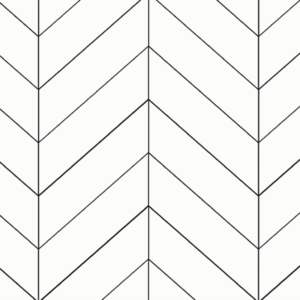
A chevron pattern is a zigzag or “V”-shaped design commonly used in textiles, decor, and graphic design. The pattern consists of a series of angled lines or stripes that meet to form points, creating a continuous, repetitive shape resembling an arrow or military insignia.
Chevron patterns vary in size, color, and angle, allowing for a wide range of styles, from bold and modern to subtle and classic. Historically, the chevron design has roots in ancient art and architecture, where it symbolized protection or rank. Today, it’s widely used in home decor, bedding, and clothing, adding dynamic visual interest and a sense of movement.
In bedding, chevron patterns can add a bold or playful touch, depending on the colors and scale, making them a popular choice for accent pieces like throws, duvets, and pillows. The pattern’s versatility and timeless appeal make it suitable for a variety of styles, from contemporary to traditional.
Chronotype
A chronotype is an individual’s natural preference for sleeping and waking times, influenced by their internal circadian rhythms. Chronotypes help explain why some people feel more alert and productive in the morning, while others peak in energy and focus later in the day or even at night. The concept of chronotype provides insight into personal sleep-wake patterns, typically placing people along a spectrum that ranges from morning larks (early risers) to night owls (late risers).
Morning larks tend to wake up early and feel most energetic during the first part of the day, often becoming sleepy in the early evening. Night owls, on the other hand, prefer later bedtimes and are most alert in the late afternoon or evening, often finding it difficult to wake up early in the morning. There are also intermediate chronotypes, who fall somewhere in between these two extremes and have a more flexible sleep schedule.
Chronotype is largely determined by genetics but can also be influenced by age, lifestyle, and environmental factors. For example, adolescents and young adults are more likely to have a late chronotype, while older adults tend to shift towards an earlier chronotype as they age.
Impact on daily life:
- Productivity and performance: Matching tasks with your natural chronotype can help improve performance. Morning types may excel at tasks requiring concentration early in the day, while evening types might perform better later.
- Health considerations: Misalignment between a person’s chronotype and their daily schedule (e.g., a night owl working an early shift) can lead to social jet lag, a condition where there’s a mismatch between internal and external clocks. This can contribute to sleep deprivation, increased stress, and a higher risk for health issues like obesity, cardiovascular disease, and mood disorders.
- Circadian rhythm disorders: Extreme chronotypes may experience circadian rhythm disorders, such as delayed sleep phase syndrome (common in night owls) or advanced sleep phase syndrome (common in extreme morning larks), leading to difficulties falling asleep or waking up at socially acceptable times.
Understanding your chronotype can help optimize sleep hygiene, improve productivity, and support better overall health by aligning activities with your body’s natural rhythms. Tools like the Horne-Östberg Morningness-Eveningness Questionnaire can help determine your chronotype and guide lifestyle adjustments accordingly.
Circadian Rhythm
A circadian rhythm is a natural, internal process that regulates the sleep-wake cycle and repeats roughly every 24 hours. The term “circadian” comes from the Latin words “circa” (around) and “diem” (day), reflecting its near-24-hour cycle. Circadian rhythms influence many aspects of human physiology, including hormone release, body temperature, metabolism, and, most importantly, sleep timing.
The primary regulator of circadian rhythms in the body is the suprachiasmatic nucleus (SCN), located in the hypothalamus of the brain. The SCN acts as the body’s master clock, coordinating the timing of various biological processes. It receives direct input from the eyes about light exposure, which helps synchronize the body’s internal clock with the external environment.
Light exposure is the most influential zeitgeber (environmental cue) for circadian rhythms. When the eyes are exposed to light, particularly blue light in the morning, the SCN signals the suppression of melatonin production (a sleep-inducing hormone), promoting wakefulness and alertness. As light decreases in the evening, melatonin production increases, signaling the body to prepare for sleep.
Phases of Circadian Rhythm:
- Daytime (Wake Phase): Alertness and body temperature are at their peak, with higher levels of cortisol helping to maintain wakefulness.
- Evening (Sleep Preparation Phase): The body starts winding down, with melatonin levels rising and core body temperature decreasing.
- Nighttime (Sleep Phase): The body enters a state of rest, with melatonin production peaking and physiological processes slowing down for repair and recovery.
Disruptions to circadian rhythms can have significant effects on sleep quality and overall health. Common disruptors include:
- Jet lag: Caused by rapid travel across time zones, leading to a temporary mismatch between the internal circadian clock and the external environment.
- Shift work: Working irregular hours, especially night shifts, can desynchronize circadian rhythms, making it difficult to sleep during the day.
- Light exposure at night: Exposure to artificial light, particularly from screens, can delay the release of melatonin, making it harder to fall asleep.
Chronic misalignment of circadian rhythms, often called circadian rhythm sleep disorders, can contribute to health problems like insomnia, mood disorders, obesity, diabetes, and cardiovascular disease. Understanding and aligning activities with your natural circadian rhythm can help improve sleep quality, energy levels, and overall well-being.
Tips for maintaining a healthy circadian rhythm:
- Consistent sleep schedule: Go to bed and wake up at the same time every day, even on weekends.
- Morning light exposure: Spend time outside in natural sunlight in the morning to help set your internal clock.
- Limit screen time before bed: Reduce exposure to blue light from phones and computers in the evening, as it can interfere with melatonin production.
Circadian rhythms are fundamental to our sleep-wake patterns, playing a crucial role in regulating daily bodily functions and influencing overall health.
Coil Count
Coil count refers to the total number of coils used in the innerspring system of a mattress. Traditionally, coil count was a key metric used to assess the quality and support of innerspring mattresses. The idea was that a higher coil count would generally indicate better support, greater durability, and a more comfortable sleep surface. While this measurement still holds some importance, it is no longer considered the best or only metric for evaluating mattress quality, especially in light of advancements in mattress technology and materials.
Why Coil Count Was Important Historically
- Indicator of Support:
- In the early days of innerspring mattresses, the coil count was one of the few quantifiable aspects of a mattress that consumers could use to gauge its potential comfort and support. More coils typically meant better weight distribution, reducing the risk of pressure points and providing a more even sleep surface.
- Durability Factor:
- Higher coil counts generally meant more points of contact and support, contributing to a mattress’s overall durability. With more coils, the load was spread out over a larger area, which helped prevent premature sagging and extended the mattress’s lifespan.
- Marketing Tool:
- Coil count became a popular marketing metric as mattress manufacturers competed to showcase higher numbers, equating them with superior quality. This straightforward number was an easy selling point for retailers and a simple way for customers to compare different models.
Why Coil Count Is Less Relevant Today
- Advances in Coil Design:
- Modern mattresses often feature more sophisticated coil systems, such as pocketed coils or zoned coils, which provide better contouring and support regardless of coil count. For instance, a mattress with fewer, high-quality pocketed coils may offer superior comfort and motion isolation compared to a mattress with a higher count of basic Bonnell coils.
- Focus on Coil Type and Gauge:
- The type of coil (e.g., Bonnell, pocketed, continuous) and the coil gauge (thickness of the wire) are now considered more important than the sheer number of coils. For example, a lower-gauge coil (thicker wire) will be firmer and more durable, impacting the feel and longevity of the mattress more significantly than just increasing the number of coils.
- Emergence of Hybrid and Foam Mattresses:
- With the rise of hybrid mattresses (combining foam layers with innerspring systems) and all-foam models, coil count is no longer the sole determinant of mattress quality. Many modern mattresses use advanced foam layers, gel-infused materials, and latex that offer excellent support, pressure relief, and motion isolation without relying on high coil counts.
- Quality Over Quantity:
- In premium innerspring and hybrid mattresses, the quality of the coils (such as tempered steel pocketed coils) and the design features (e.g., zoned support systems) play a bigger role in overall performance than just the coil count. A well-engineered coil system with fewer but strategically placed coils can outperform a mattress with a higher but lower-quality coil count.
Modern Metrics for Mattress Quality
Today, the focus has shifted from coil count alone to a combination of factors, including:
- Coil Type: Pocketed coils offer better motion isolation and contouring than traditional interconnected coils.
- Zoning: Zoned coil systems provide targeted support for different areas of the body, enhancing spinal alignment and comfort.
- Coil Gauge: The thickness of the coil wire affects the firmness and durability of the mattress.
- Comfort Layers: The quality and type of comfort layers (e.g., memory foam, latex, gel-infused foam) above the coils play a crucial role in the overall feel and support of the mattress.
Pros of Focusing on Coil Count
- Easy Comparison: Provides a simple metric for comparing basic innerspring mattresses.
- Potential Durability Indicator: Higher coil counts can suggest better durability and support in traditional designs.
Cons of Relying Solely on Coil Count
- Outdated Metric: Fails to account for coil type, gauge, or design innovations like pocketed coils and zoning.
- Quality vs. Quantity: More coils do not necessarily mean better performance, especially if the coil design or materials are subpar.
- Neglects Comfort Layers: Ignores the impact of foam, latex, and other comfort layers that significantly influence the mattress’s feel and support.
Is Coil Count Still Relevant?
Coil count can still be a useful metric when comparing traditional innerspring mattresses, especially in the value-priced segment. However, in modern mattress construction, the quality of the coils, the type of support system, and the design features have become far more critical indicators of performance. A mattress with fewer, high-quality pocketed coils and advanced comfort layers will typically outperform a mattress with a higher coil count but basic interconnected coils.
Coil Gauge
Coil gauge refers to the thickness of the wire used to construct the coils in an innerspring mattress. It is a critical factor that influences the mattress’s firmness, support, and overall feel. The coil gauge is measured numerically, with lower numbers indicating thicker, firmer coils and higher numbers indicating thinner, more flexible coils. For example, a 12-gauge coil is thicker and firmer than a 15-gauge coil.
Understanding Coil Gauge
- Thicker Coils (Lower Gauge, e.g., 12-13 gauge):
- Thicker coils provide a firmer feel and are generally more durable. They are often found in mattresses designed for heavier individuals or those who prefer a very firm sleeping surface.
- Lower gauge coils tend to offer stronger support, making them ideal for back and stomach sleepers who need a stable, resilient base.
- The increased thickness also contributes to enhanced durability, as the coils are less likely to lose their shape or compress over time.
- Thinner Coils (Higher Gauge, e.g., 14-15 gauge):
- Thinner coils offer a softer, more flexible feel, making the mattress more contouring and responsive to body movements. This can be beneficial for side sleepers who require extra pressure relief at the shoulders and hips.
- Higher gauge coils are often used in the comfort layers or pillow-top sections of mattresses, providing a softer sleeping surface while maintaining underlying support.
- These coils are generally less durable than lower gauge coils and may be more prone to sagging, especially in high-use areas of the mattress.
Impact of Coil Gauge on Mattress Feel and Performance
- Firmness and Support:
- The coil gauge directly influences the firmness of the mattress. A mattress with lower gauge coils will feel firmer and provide more support, whereas a mattress with higher gauge coils will have a softer, more plush feel.
- Durability:
- Thicker, lower-gauge coils are generally more durable, making them well-suited for heavier sleepers or those looking for a long-lasting mattress. Higher gauge coils, while softer, may not withstand wear and tear as effectively, potentially leading to issues like sagging or loss of support over time.
- Motion Transfer:
- Thinner, higher-gauge coils tend to be more flexible and responsive, which can result in increased motion transfer. This may be a consideration for couples, as movement on one side of the bed may be more easily felt on the other side.
- Lower gauge coils, due to their rigidity, may offer slightly better motion isolation in traditional innerspring mattresses, but modern pocketed coil systems have largely surpassed them in minimizing motion transfer.
Coil Gauge in Different Coil Systems
- Bonnell Coils: Often use a range of gauges, typically from 12 to 15, depending on the desired firmness. Bonnell coils with lower gauges are used in firmer, more supportive models, while higher gauges are found in softer, budget-friendly options.
- Pocketed Coils: Generally use a higher gauge (14-16) for increased flexibility and contouring. Pocketed coil systems are designed to individually respond to pressure, so even with thinner coils, they can provide effective support and motion isolation.
- Continuous Coils: These systems often use mid-range gauges (13-14), balancing durability with flexibility. The interconnected nature of continuous coils allows for more uniform support across the entire mattress.
Pros of Lower Gauge Coils
- Increased Firmness: Offers a stable, supportive sleeping surface, ideal for back and stomach sleepers.
- Enhanced Durability: Thicker coils resist compression and sagging over time, extending the mattress’s lifespan.
- Stable Edge Support: Often used in edge support systems to prevent perimeter sagging.
Cons of Lower Gauge Coils
- Reduced Flexibility: Thicker coils can feel too rigid for side sleepers who need more contouring at pressure points.
- Less Adaptable to Adjustable Bases: The rigidity of lower gauge coils may limit the mattress’s flexibility, making it less compatible with adjustable bed bases.
Pros of Higher Gauge Coils
- Increased Flexibility: Thinner coils conform more easily to the body’s shape, providing better pressure relief for side sleepers.
- Softer Feel: High gauge coils create a plush, responsive surface, making the mattress feel more cushioned.
- Better Adaptability for Adjustable Bases: The flexibility of higher gauge coils allows the mattress to bend and flex more easily, making it suitable for use with adjustable bed bases.
Cons of Higher Gauge Coils
- Decreased Durability: Thinner coils may lose their shape more quickly, leading to sagging or diminished support over time.
- Potential for Increased Motion Transfer: The flexible nature of higher gauge coils may result in more noticeable motion transfer, which can be disruptive for couples.
Is Coil Gauge Still a Key Metric Today?
While coil gauge remains an important factor in determining a mattress’s firmness and durability, it is no longer the sole indicator of quality. The rise of pocketed coil systems, zoned support designs, and advanced comfort layers has shifted the focus towards the overall coil construction, the type of coils used, and how they interact with the surrounding materials.
In modern mattresses, coil gauge is best considered alongside other factors like coil type, coil count, and the quality of the comfort layers. For consumers, understanding the coil gauge can help tailor their mattress selection based on specific needs, such as desired firmness, body weight, and sleep position preferences.
Coil Unit
A coil unit is the core support structure in an innerspring or hybrid mattress, consisting of a network of metal coils or springs. The coil unit forms the foundation of the mattress, providing support, stability, and firmness. It helps distribute body weight evenly, reduces pressure points, and contributes to the overall durability of the mattress.
Types of Coil Units:
- Bonnell Coil Unit:
- Features hourglass-shaped coils connected with helical wires. Known for its firm support and durability, the Bonnell coil unit is one of the oldest and most traditional coil systems.
2. Pocketed Coil Unit:
- Each coil is individually wrapped in fabric, allowing them to move independently. This design minimizes motion transfer and offers better contouring and support compared to interconnected coil systems.
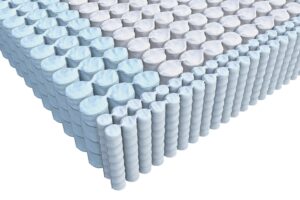
3. Continuous Coil Unit:
- Made from a single piece of wire twisted into a series of coils. This design provides strong, consistent support across the mattress and tends to be more durable.
4. Offset Coil Unit:
- A variation of the Bonnell coil, offset coils have a flattened edge that creates a hinging effect, allowing for better contouring and support.

Key Features:
- Support and Firmness: Coil units are the main support structure, offering a firm base and helping maintain spinal alignment.
- Airflow and Temperature Regulation: The open design of coil units allows for better airflow, helping to dissipate heat and keep the mattress cool.
- Durability: High-quality coil units can extend the lifespan of a mattress by providing strong, resilient support.
Considerations:
- Coil Count: The number of coils in a unit can impact the feel and support of the mattress. Higher coil counts generally indicate better contouring and pressure relief.
- Coil Gauge: The thickness of the wire used in the coils affects the firmness and durability of the unit. Lower gauge (thicker wire) provides firmer support, while higher gauge (thinner wire) offers a softer feel.
Combination Mattress
A combination mattress, also known as a hybrid mattress, is a mattress constructed from a blend of different materials—typically combining layers of foam (such as memory foam or latex) with a core of innerspring coils. This design aims to offer the best qualities of each material, creating a balanced feel that provides comfort, support, and durability.
Key features of a combination mattress include:
- Pressure Relief: The foam layers contour to the body, reducing pressure points and providing cushioning for areas like the hips and shoulders.
- Support and Bounce: The innerspring coil core offers a sturdy support structure, adding bounce and enhancing ease of movement, ideal for people who prefer a responsive surface.
- Temperature Regulation: Many combination mattresses incorporate cooling elements like gel-infused foam or breathable coil layers to promote airflow and reduce heat buildup.
Combination mattresses appeal to a wide range of sleepers by offering a versatile mix of support and comfort. They are particularly popular among couples with different preferences, as the hybrid structure can adapt to various sleep positions and comfort needs.
Combination Sleeper
A combination sleeper is a person who naturally shifts between different sleeping positions—side, back, and sometimes stomach—throughout the night. This flexibility in sleep style means that combination sleepers often require versatile support. While one position may be comfortable for a while, they tend to switch to relieve pressure, enhance comfort, or accommodate unique needs.
For combination sleepers, a mattress that responds quickly to movement is helpful, making it easier to adjust comfortably with each shift. Hybrid mattresses with a mix of foam and coils, for example, provide both contouring and support to adapt to multiple postures. Similarly, pillows with adjustable loft or adaptable fill help provide the right neck support, whether sleeping on the side, back, or in transition. This approach to bedding allows combination sleepers to rest well, with each change in position fully supported.
Comfort Layer
The comfort layer is the top layer or layers of a mattress, designed to provide immediate cushioning and adapt to the body’s contours. Located above the support core, the comfort layer plays a key role in how a mattress feels when you first lie down, influencing pressure relief, softness, and temperature regulation.
Typically made from materials like memory foam, latex, polyfoam, or even gel-infused or wool fibers, the comfort layer helps reduce pressure on sensitive areas like the shoulders and hips, especially for side sleepers. It can also contribute to motion isolation by absorbing movement, making it less likely for one sleeper to disturb another.
The thickness and material of the comfort layer vary depending on mattress type. A thicker, softer comfort layer will give a plush feel, while a thinner layer will allow the sleeper to feel more of the support core underneath. In essence, the comfort layer is what provides that “sink-in” feel, adjusting to the body and setting the tone for comfort and coziness in a mattress.
Comfort Level
Comfort level refers to the subjective feel of a mattress in terms of firmness and support, determining how soft, medium, or firm a mattress feels when you lie down on it. This is an essential factor in choosing the right mattress, as comfort level directly impacts how well a mattress aligns with a sleeper’s body type, sleep position, and personal preference.
Mattresses are generally categorized into comfort levels such as:
- Plush/Soft: Provides deep cushioning and a “sink-in” feel, ideal for side sleepers who need extra pressure relief around the shoulders and hips.
- Medium: Offers a balance of support and softness, appealing to a wide range of sleepers, especially combination sleepers or those with multiple sleep positions.
- Firm: Delivers a sturdy, supportive feel with minimal sink, often preferred by back and stomach sleepers who need to maintain spine alignment without excessive contouring.
While comfort level is often indicated by firmness, it’s also influenced by the mattress materials and construction. Achieving the right comfort level is about finding a balance that supports healthy posture while catering to individual comfort preferences, ensuring restful and restorative sleep.
Comforter
A comforter is a thick, padded blanket designed to keep you warm and cozy. Filled with materials like down, down alternative, wool, or synthetic fibers, it provides insulation and softness. Comforters are typically stitched in patterns, like box-stitch or channel stitching, to keep the filling evenly distributed and prevent clumping.
Unlike quilts or blankets, comforters are usually paired with a duvet cover or used as the top layer on a bed. They come in a variety of weights, allowing you to choose one that fits your warmth preference and climate—lighter for warmer months and heavier for colder weather. With a range of colors, patterns, and styles, comforters not only offer comfort but also serve as a key decorative element in bedroom design.
Confusional Arousals
Confusional arousals are episodes where a person appears awake but remains in a state of partial sleep, often exhibiting confused, disoriented behavior. These events typically occur during the first third of the night, when the person is transitioning from deep NREM sleep (Stage 3). During a confusional arousal, the sleeper may sit up, look around, mumble, or perform simple tasks, but they usually have little to no awareness of their actions and are difficult to fully awaken.
Characteristics of Confusional Arousals:
- Disorientation: The person may not recognize their surroundings, show slowed reactions, or seem perplexed when questioned.
- Amnesia: There is often no recollection of the event upon waking fully, and the person may be unaware that an episode occurred.
- Unusual Behaviors: Actions can range from simple movements like sitting up in bed to more complex activities, such as talking or reaching for objects.
- Incoherent Speech: The individual may mumble or speak in a confused manner, with speech often nonsensical or difficult to understand.
Confusional arousals are classified as a type of NREM parasomnia, alongside other sleep disorders like sleepwalking and night terrors. These episodes tend to happen during transitions from deep (slow-wave) sleep when the brain is shifting towards lighter sleep stages or partial wakefulness. They are more common in children but can occur in adults, particularly those with sleep disorders or chronic sleep deprivation.
Potential Triggers and Causes:
- Sleep Deprivation: Lack of sufficient sleep increases the likelihood of deep sleep disruptions, making confusional arousals more common.
- Irregular Sleep Schedules: Inconsistent bedtimes or abrupt changes in sleep patterns can contribute to episodes.
- Alcohol or Substance Use: Alcohol, certain medications, and recreational drugs may increase the risk by affecting sleep architecture.
- Underlying Sleep Disorders: Conditions like sleep apnea, periodic limb movement disorder, or restless leg syndrome may contribute to fragmented sleep and increase the risk of confusional arousals.
Diagnosis and Management: Confusional arousals are typically diagnosed through clinical history and, if necessary, a sleep study (polysomnography) to rule out other underlying sleep disorders. Because these episodes are often benign and do not involve dangerous behaviors, treatment is usually focused on improving sleep hygiene and addressing any contributing factors.
Tips for Managing Confusional Arousals:
- Establish a regular sleep schedule: Consistency helps reduce the likelihood of disruptions during deep sleep.
- Create a calming bedtime routine: Relaxing activities before bed can help ease the transition into sleep.
- Ensure adequate sleep: Meeting your individual sleep needs can reduce the occurrence of deep sleep disturbances.
In severe cases, where confusional arousals disrupt daily functioning or pose safety concerns (e.g., if the person engages in risky behaviors during episodes), medical intervention may be required. This could include behavioral therapy, stress management techniques, or, in some cases, medications that help stabilize sleep patterns.
Confusional arousals are generally harmless but can be unsettling for both the sleeper and anyone observing the episode. With proper sleep habits and management of contributing factors, the frequency and intensity of episodes often decrease over time.
Continuous Coil
A continuous coil mattress, also known as a continuous wire mattress, is constructed using a single, unbroken length of wire that forms rows of interconnected coils. Unlike traditional innerspring mattresses, where each coil is individually wound, the continuous coil design creates a network of coils that are linked to each other, providing a durable and supportive sleep surface.
This structure offers:
- Sturdiness: The continuous coil design distributes weight evenly and resists sagging, contributing to long-term durability.
- Responsive Support: With coils that work in unison, continuous coil mattresses provide a responsive feel, making it easier to move and shift positions.
- Affordability: Typically less expensive than other coil systems, continuous coil mattresses are often a budget-friendly option.
However, continuous coil mattresses may not isolate motion as effectively as pocketed coils, which can be a consideration for couples. They are often a popular choice for those seeking reliable support and a resilient mattress at a more accessible price point.
Convertible Bed
A convertible bed is a versatile piece of furniture that can be adjusted or transformed to serve multiple functions, often switching between a sofa or seating arrangement and a sleeping surface. Commonly used in smaller spaces like apartments, guest rooms, or studios, convertible beds maximize space by providing both seating and sleeping options.
Types of convertible beds include:
- Futons: Simple frames with a mattress that folds down flat, easily converting from a couch to a bed.
- Sofa Beds: Upholstered couches with a hidden mattress that pulls out or unfolds to create a bed.
- Daybeds: Twin-size frames that work as seating during the day and a bed at night, often with an optional trundle for added sleeping space.
- Murphy Beds: Fold-up beds that can be stored vertically in a wall or cabinet, freeing up floor space when not in use.
Convertible beds are ideal for those seeking flexibility without sacrificing comfort or style, providing a practical solution for multi-purpose rooms.
Convoluted Foam
Convoluted foam, commonly referred to as “egg crate foam” due to its egg carton-like texture, is a type of foam with peaks and valleys on its surface. This design helps with airflow, pressure relief, and weight distribution, making convoluted foam a popular choice for mattress toppers, mattress comfort layers, and cushions.
Key benefits of convoluted foam include:
- Improved Air Circulation: The peaks and valleys allow for better airflow, which can help keep the surface cooler by dissipating body heat.
- Pressure Relief: The uneven surface helps distribute weight evenly, reducing pressure on sensitive areas like shoulders, hips, and joints, making it ideal for those with pressure point discomfort.
- Enhanced Cushioning: The foam’s design adds a softer, cushioned layer, offering extra comfort when used as a mattress topper or inside a mattress.
Convoluted foam is often used in bedding, medical cushions, and pet beds, providing an affordable way to add comfort and breathability. It is especially valued for its lightweight, flexible nature and is commonly found in products intended for extra support and comfort.
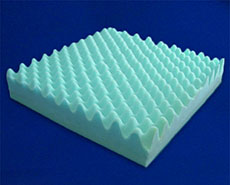
Cooling Gel
Cooling gel is a material used in mattresses, pillows, and other bedding products to help regulate temperature by dissipating body heat. It’s typically infused into memory foam or layered as a gel panel, providing a cooler sleep surface. The gel absorbs excess heat and redistributes it, which can make a difference for those who tend to feel hot at night or live in warm climates.
Cooling gel works through thermal conductivity—the gel material pulls heat away from the body and disperses it throughout the bed surface, helping maintain a more neutral temperature. Some products feature gel beads infused within the foam, while others use gel-infused layers that are breathable and optimize airflow.
Ideal for hot sleepers or anyone seeking a refreshing, temperature-neutral sleep environment, cooling gel is a popular feature in modern mattresses, mattress toppers, and pillows. It provides a cooling effect without sacrificing the contouring comfort of memory foam or other cushioning materials.
Cooling Mattress Pad
A cooling mattress pad is a bedding accessory designed to help regulate body temperature, keeping sleepers cooler throughout the night. Placed over the mattress, it adds an extra layer of comfort while incorporating materials or technologies that promote breathability and heat dissipation.
Cooling mattress pads use various methods to achieve a cooling effect:
- Moisture-Wicking Fabrics: Materials like cotton, bamboo, or specially treated synthetics draw moisture away from the skin, helping the body feel cooler and drier.
- Gel-Infused or Phase-Change Materials: Some pads contain gel infusions or phase-change materials that absorb and release heat, maintaining a temperature-neutral surface.
- Airflow Channels: Pads with built-in airflow channels or ventilated designs allow air to circulate more freely, reducing heat buildup.
Cooling mattress pads are ideal for those who overheat during sleep or live in warmer climates. By enhancing airflow and temperature control, they contribute to a more comfortable and restful sleep environment without the need for a completely new mattress.
Copper-Infused Foam
Copper-infused foam is a type of mattress foam that has been enhanced with copper particles or strands. This innovative material is designed to offer unique benefits, including improved cooling, antimicrobial properties, and enhanced pressure relief. Copper-infused foam is most commonly found in the comfort layers of mattresses, particularly in memory foam and polyfoam designs.
How Copper-Infused Foam Works:
- Thermal Conductivity:
- Copper is a highly conductive metal, meaning it can efficiently draw heat away from the body. When integrated into foam, copper particles help disperse body heat, creating a cooler sleep surface. This cooling effect can be especially beneficial for hot sleepers or those who live in warmer climates.
- Antimicrobial Properties:
- Copper is naturally antimicrobial, resistant to bacteria, mold, and other pathogens. The infusion of copper particles into the foam creates a hostile environment for microbes, helping to maintain a cleaner and more hygienic sleep surface. This can reduce odors and extend the freshness of the mattress.
- Enhanced Pressure Relief:
- The addition of copper can help improve the foam’s overall density and resilience. Copper-infused foam often has a slightly firmer feel compared to traditional memory foam, providing better support and pressure relief. The foam contours to the body’s shape while maintaining sufficient pushback to prevent sinking too deeply.
Benefits of Copper-Infused Foam:
- Cooling Effect: The thermal conductivity of copper helps to dissipate heat, making the foam cooler to sleep on.
- Hygienic Sleep Environment: Copper’s antimicrobial properties help inhibit the growth of bacteria and mold, reducing odors and allergens.
- Pressure Relief and Support: The foam conforms to the body’s contours, providing targeted pressure relief and support, particularly for the shoulders and hips.
- Durability: Copper particles can enhance the foam’s structural integrity, making it more durable and resistant to wear over time.
Potential Drawbacks:
- Firmer Feel: Copper-infused foam can be firmer than traditional memory foam, which may not appeal to sleepers who prefer a softer, more enveloping feel.
- Higher Cost: Mattresses with copper-infused foam tend to be priced higher due to the added material and manufacturing process.
- Limited Cooling Effect: While copper does help with temperature regulation, the cooling benefits may be modest and might not be sufficient for extremely hot sleepers without additional cooling technologies.
Who Should Consider Copper-Infused Foam?
- Hot Sleepers: The cooling properties of copper-infused foam can help reduce overheating during the night.
- Allergy Sufferers: The antimicrobial nature of copper makes it a good choice for individuals looking to minimize exposure to bacteria, mold, and allergens.
- Back and Side Sleepers: The enhanced support and pressure relief offered by copper-infused foam are well-suited for back and side sleepers who need contouring without excessive sinkage.
Cotton
Cotton is a natural fiber derived from the seeds of cotton plants, valued for its softness, breathability, and durability. Known for its versatility, cotton is one of the most popular materials for textiles and is widely used in bedding, clothing, towels, and upholstery.
Key qualities of cotton include:
- Softness: Cotton fibers are smooth and gentle on the skin, providing a comfortable and soothing feel, making it ideal for bedding and clothing.
- Breathability: Cotton allows air to flow freely through the fabric, helping to regulate temperature and wick away moisture, which is especially beneficial in warm or humid climates.
- Durability: With proper care, cotton is long-lasting and resistant to wear, making it a reliable choice for everyday items.
Cotton can be processed into different types of fabrics, such as percale, sateen, and jersey, each offering unique textures and properties.
Cradle Mattress
A cradle mattress is a small, supportive mattress designed specifically to fit a baby cradle, providing a safe and comfortable sleeping surface for infants. Cradle mattresses are typically smaller than standard crib mattresses and vary in shape to fit different cradle designs, including oval, rectangular, and round.
Key features of a cradle mattress include:
- Firmness: For infant safety, cradle mattresses are made firm to reduce the risk of suffocation and support proper spinal alignment.
- Breathable Materials: Many cradle mattresses use breathable fabrics and cores, like foam or natural fibers, to help regulate temperature and reduce overheating.
- Hypoallergenic and Easy to Clean: Cradle mattresses often come with washable, hypoallergenic covers to ensure a clean, safe environment for sensitive skin.
Cradle mattresses are chosen with care to support an infant’s unique needs, offering comfort while meeting safety standards essential for young sleepers.
Crib Bumper
A padded liner placed inside a crib to prevent infants from bumping into the sides, though often discouraged for safety reasons.
Crib Mattress
A small, firm mattress designed to fit a baby’s crib, meeting safety standards for infants.
Crown (Mattress Crown)
The slight convex shape found on the top of some mattresses for added loft.
Cryogel™ Infusion
Cryogel™ infusion refers to the incorporation of cryogels—super-macroporous hydrogels synthesized at sub-zero temperatures—into various biomedical applications. These materials are known for their interconnected pore structures, which facilitate efficient mass transfer and cell infiltration. In the context of infusion, cryogels can be loaded with therapeutic agents, cells, or other bioactive substances, allowing for controlled delivery and sustained release at targeted sites within the body.
The unique properties of cryogels, such as their mechanical robustness and biocompatibility, make them suitable for applications in tissue engineering, drug delivery, and regenerative medicine. For instance, injectable cryogels have been developed to provide localized and prolonged release of chemotherapeutic drugs and immune adjuvants, enhancing the efficacy of cancer treatments.
Additionally, cryogels have been utilized in the development of bioartificial liver devices, where their porous structure supports hepatocyte growth and function, contributing to improved detoxification processes.
Overall, Cryogel™ infusion leverages the advantageous characteristics of cryogels to advance therapeutic strategies and biomedical technologies.
D
Dacron® Fiber
Dacron fiber is a type of synthetic polyester material used extensively in the bedding industry as a filling for pillows, mattress pads, comforters, and upholstered furniture. Originally developed by DuPont, Dacron is known for its durability, resilience, and loft, making it a popular choice for adding a soft, plush layer to bedding products. Dacron is often used as a trademarked name, but it has become a general term for a high-quality polyester fiber.
What is Dacron Fiber?
- Polyester-Based: Dacron is a polyester fiber, chemically produced through the polymerization of ethylene glycol and terephthalic acid. The result is a strong, lightweight fiber that is highly resistant to moisture, shrinking, and stretching.
- Hollow and Crimped Structure: Dacron fibers often feature a hollow core and a crimped texture, which enhances loft and resilience. The hollow core traps air, giving the fiber added fluffiness and insulating properties, while the crimped structure helps it maintain its shape over time.
Uses of Dacron Fiber in Bedding:
- Pillow Fill:
- Dacron fiber is a popular choice for pillow stuffing due to its soft, yet supportive qualities. It provides a fluffy, plush feel while retaining enough resilience to prevent the pillow from flattening too quickly.
- Mattress Pads and Toppers:
- In mattress pads and toppers, Dacron fiber is used to add an extra layer of cushioning and comfort. It enhances the plushness of the sleep surface without compromising support.
- Quilting and Upholstery:
- Dacron fiber is frequently used as a padding material in quilted mattress covers, comforters, and upholstered furniture. Its lightweight and durable nature makes it ideal for providing an extra layer of comfort while maintaining a smooth, consistent texture.
Key Features of Dacron Fiber:
- Durability:
- Dacron is highly resistant to wear and tear, making it a long-lasting filling material. It retains its shape well over time, even with frequent use.
- Moisture Resistance:
- Polyester fibers like Dacron are naturally resistant to moisture, making them less prone to mold and mildew growth. This property helps keep bedding fresh and hygienic.
- Hypoallergenic:
- Dacron fiber is non-allergenic, making it a safe choice for people with allergies or sensitivities to natural fills like down or feathers.
- Resilience and Loft:
- The crimped structure of Dacron fibers gives them excellent loft and bounce-back ability, allowing bedding items to maintain a fluffy, plush feel over time.
Pros of Dacron Fiber:
- Affordable: Dacron is typically less expensive than natural fills like down, offering a budget-friendly option for bedding products.
- Low Maintenance: It is easy to care for, machine-washable, and dries quickly, making it a practical choice for everyday use.
- Hypoallergenic: The synthetic nature of Dacron reduces the risk of allergens, dust mites, and bacteria, making it ideal for allergy sufferers.
- Good Insulation: The hollow core of the fibers helps trap air, providing effective thermal insulation for pillows, comforters, and mattress pads.
Cons of Dacron Fiber:
- Less Breathable: While Dacron fiber offers good moisture resistance, it may not be as breathable as natural materials like cotton or wool. This can lead to heat retention, particularly in warmer climates or for hot sleepers.
- Flattening Over Time: Despite its resilience, Dacron-filled products may eventually lose some of their loft, especially with heavy use. Frequent fluffing can help maintain the shape but may not fully prevent flattening.
- Synthetic Feel: Dacron fiber has a distinct synthetic texture that may not provide the same luxurious softness as natural down or feather fills.
Modern Alternatives and Blends:
Many bedding products now feature blends of Dacron fiber with other materials, such as memory foam pieces, down alternatives, or gel-infused fibers, to enhance breathability, support, and comfort. These combinations aim to balance the affordability and hypoallergenic properties of Dacron with the plushness and cooling capabilities of other fills.
Who Should Consider Dacron-Filled Bedding?
- Budget-Conscious Shoppers: Dacron is an affordable option for those seeking a plush feel without the high cost of natural down or premium synthetic alternatives.
- Allergy Sufferers: Its hypoallergenic properties make it a safe choice for individuals with sensitivities to natural fills.
- Low-Maintenance Preference: If you prefer bedding that is easy to clean and maintain, Dacron fiber is machine-washable and quick-drying.
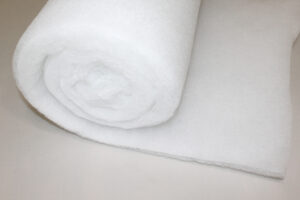
Damask
Damask is a rich, woven fabric known for its intricate, reversible patterns and luxurious texture. Originally crafted in Damascus, Syria, where it gained prominence through the Silk Road trade, damask is created using a jacquard loom to weave patterns directly into the fabric rather than printing them on the surface. This weaving method produces a design that is visible on both sides of the fabric, typically featuring floral, geometric, or ornamental motifs.
Damask fabric can be made from various fibers, including silk, cotton, linen, and synthetic blends. The material’s unique construction combines a mix of satin and matte textures, creating a subtle contrast that enhances the visual depth of the pattern.
Due to its durability and elegance, damask is commonly used in home decor items such as upholstery, drapes, and bedding. In bedding, damask is favored for duvet covers, pillow shams, and sheets, where its smooth surface and timeless appeal add a sophisticated touch.
Daybed
A daybed is a versatile piece of furniture that functions as both a seating area and a bed. With a design that typically includes a back and two sides, daybeds resemble a deep sofa but are large enough to serve as a bed when needed. They are often used in guest rooms, home offices, living rooms, or any space that could benefit from multifunctional furniture.
Daybeds usually accommodate a twin-size mattress, making them comfortable for lounging during the day and sleeping at night. Some daybeds also include features such as a trundle—an additional mattress stored underneath that can be pulled out for extra sleeping space. This makes daybeds ideal for sleepovers, guests, or small living spaces where maximizing functionality is essential.
Available in a range of styles, from minimalist metal frames to upholstered designs, daybeds offer a blend of comfort and practicality, fitting seamlessly into various decor styles. They provide an efficient, stylish solution for spaces that need to serve multiple purposes without sacrificing comfort or aesthetics.
Deep Pocket Fitted Sheet
A fitted sheet designed to accommodate thicker mattresses.
Deep Sleep (Slow-Wave Sleep)
Deep sleep, also known as slow-wave sleep (SWS), is the most restorative stage of non-REM (NREM) sleep. It is characterized by slow, high-amplitude brain waves called delta waves, which are observed on an electroencephalogram (EEG). Deep sleep typically occurs during Stage 3 of NREM sleep, which is also the final stage of NREM before transitioning into rapid eye movement (REM) sleep. This stage is crucial for physical recovery, immune function, and cognitive processes such as memory consolidation.
Characteristics of Deep Sleep:
- Slow brain waves: Delta waves dominate, signaling low-frequency, high-amplitude brain activity. These waves reflect the brain’s reduced activity and a state of deep rest.
- Reduced heart rate and breathing: The body’s physiological functions slow down significantly, allowing for energy conservation and tissue repair.
- Muscle relaxation: The body’s muscles are relaxed but not completely paralyzed (as they are during REM sleep). This stage is when the body is most at rest.
- Difficult to awaken: People in deep sleep are less responsive to external stimuli and may feel groggy or disoriented if awakened suddenly. This state of reduced responsiveness is called sleep inertia.
Functions of Deep Sleep:
- Physical restoration: During deep sleep, the body repairs tissues, regenerates cells, and strengthens the immune system. Growth hormone, essential for muscle repair and bone growth, is primarily secreted during this stage.
- Memory consolidation: Deep sleep plays a vital role in consolidating declarative memories (facts and knowledge). It helps transfer information from short-term to long-term memory storage, improving learning and recall.
- Detoxification of the brain: The glymphatic system is highly active during deep sleep, helping clear metabolic waste and toxins from the brain. This process is believed to be crucial for maintaining cognitive function and preventing neurodegenerative diseases.
Timing and Occurrence: Deep sleep usually occurs in the first half of the night, with the longest and most intense periods happening during the early sleep cycles. As the night progresses, deep sleep episodes become shorter, while REM sleep stages lengthen.
Factors Affecting Deep Sleep:
- Age: The amount of deep sleep decreases with age. Young children may spend up to 20% of their sleep time in deep sleep, while older adults may experience less than 5%.
- Sleep quality: Poor sleep hygiene, irregular sleep schedules, or sleep disorders like obstructive sleep apnea can reduce the amount of time spent in deep sleep.
- Physical activity: Regular exercise is known to increase the duration and quality of deep sleep, promoting better physical recovery.
Consequences of Deep Sleep Deprivation:
- Impaired immune function: Reduced deep sleep can weaken the immune system, making the body more susceptible to infections.
- Cognitive decline: Lack of deep sleep negatively affects memory consolidation, learning, and overall cognitive performance.
- Increased risk of chronic conditions: Chronic sleep deprivation, particularly a lack of deep sleep, is linked to increased risks of diabetes, obesity, and cardiovascular disease.
Tips for Enhancing Deep Sleep:
- Maintain a regular sleep schedule: Going to bed and waking up at the same time each day helps regulate the body’s internal clock and increases deep sleep duration.
- Create a sleep-conducive environment: Keep the bedroom cool, dark, and quiet to facilitate the transition into deep sleep.
- Limit alcohol and caffeine intake: Both substances can disrupt sleep stages, reducing the amount of time spent in deep sleep.
- Engage in physical activity: Regular exercise, particularly aerobic activity, has been shown to increase the proportion of deep sleep.
Deep sleep is a critical part of the sleep cycle, contributing significantly to physical health, cognitive function, and overall well-being. Without adequate deep sleep, the body cannot fully recover, and the brain’s ability to process and store information is compromised.
Delta Waves
Delta waves are the slowest type of brain waves, characterized by high amplitude and low frequency (0.5 to 4 Hz). They are predominantly observed during deep NREM sleep (Stage 3), also known as slow-wave sleep (SWS). Delta waves signify the deepest and most restorative phase of sleep, where the brain is in a state of minimal activity, allowing the body to perform essential maintenance and recovery functions.
Characteristics of Delta Waves:
- Low frequency, high amplitude: Delta waves are large, slow brain waves that reflect synchronized neural activity. They are the slowest of the brain wave patterns, occurring at a frequency of 0.5 to 4 cycles per second.
- Associated with deep sleep: Delta waves are most prominent during Stage 3 of NREM sleep, the phase of sleep associated with physical healing, immune system strengthening, and memory consolidation.
- Reduced sensory perception: During periods dominated by delta waves, the brain is less responsive to external stimuli, making it difficult to wake a person from deep sleep.
Functions of Delta Waves:
- Physical restoration: Delta waves are crucial for the body’s healing processes. Growth hormone is secreted during deep sleep, aiding in tissue repair, muscle recovery, and bone growth.
- Memory consolidation: Delta wave activity plays a key role in processing and storing declarative memories (facts and knowledge), helping the brain solidify new information learned during the day.
- Brain detoxification: The brain’s glymphatic system is highly active during delta wave sleep, helping clear out metabolic waste and toxins, including beta-amyloid, which is linked to Alzheimer’s disease.
- Emotional regulation: Adequate deep sleep with strong delta wave activity helps regulate mood and emotional stability by allowing the brain to process stress and emotional experiences effectively.
Age and Delta Waves: Delta wave activity is highest in young children, who spend a greater proportion of their sleep in deep, slow-wave stages. As people age, the amount of time spent in deep sleep decreases, and delta wave activity tends to diminish. This decline is part of the natural aging process and may be linked to reduced physical recovery and memory issues in older adults.
Density
Density refers to the mass per unit volume of a material, often measured in pounds per cubic foot (PCF) or kilograms per cubic meter (kg/m³) when discussing mattresses, foams, or bedding materials. In the context of mattresses, density is a critical factor that influences durability, support, and comfort.
For foam, including memory foam and polyurethane foam, density directly affects how well the material can retain its shape and provide support over time. Higher-density foam tends to be more durable and offers greater support, as it has more material packed into a given volume, reducing the likelihood of sagging or wear. However, higher-density foam can also feel firmer and may retain more heat, while lower-density foam is typically softer and more breathable but less durable.
In mattresses, density plays a significant role in determining the feel, lifespan, and performance of each layer, from the supportive core to the comfort layer. It’s a key consideration when choosing a mattress that meets specific comfort and support needs, balancing longevity with individual sleep preferences.
Dimpled Foam
Dimpled foam is a type of mattress foam with a textured surface featuring small, rounded indentations or dimples. These dimples are typically molded or cut into the foam layer, creating a pattern of raised and recessed areas. The primary purpose of this design is to increase the foam’s surface area, enhance airflow, and provide a unique tactile feel.
Characteristics of Dimpled Foam:
- Textured Surface: The dimples create a contoured surface that may vary in depth and size, depending on the manufacturer’s design.
- Increased Airflow: The indentations promote better ventilation by allowing air to circulate through the foam, helping to dissipate heat and moisture.
- Enhanced Conformability: The dimpled texture can improve the foam’s ability to contour to the body’s shape, offering localized pressure relief.
- Variable Applications: Dimpled foam is often used in comfort layers, mattress toppers, and pillow designs, as well as in zones of mattresses requiring targeted support or breathability.
Dimpled foam is typically found in memory foam, polyurethane foam, or latex variations, and it is used in both all-foam and hybrid mattress models to improve airflow and tactile comfort without compromising the foam’s overall support.
Divider Mesh
Divider mesh is a breathable fabric layer used in mattress construction to separate and encase different internal components, such as foam layers and coil units. Typically made from synthetic materials like polyester, the mesh features a perforated, open-weave structure designed to enhance airflow and ventilation within the mattress.
Characteristics of Divider Mesh:
- Breathable Fabric: The open-weave design of the mesh allows for efficient airflow, helping to dissipate heat and moisture buildup within the mattress.
- Separation Layer: Divider mesh acts as a barrier between different layers (e.g., foam and innerspring units), preventing direct contact and potential abrasion between components.
- Stability: Provides a secure encasement for internal mattress layers, helping to maintain the structural integrity and alignment of the materials.
Divider mesh is often found in hybrid and innerspring mattresses, where ventilation is important for temperature regulation and where multiple layers of differing materials need separation for optimal performance and durability.
Double Border Rod
A double border rod is a structural feature in innerspring mattresses that consists of two reinforced steel wires running along both the top and bottom perimeter of the coil unit. This design element enhances the edge support and overall durability of the mattress by providing a rigid frame that holds the innerspring coils in place.
Characteristics of a Double Border Rod:
- Dual Reinforcement: The top and bottom border rods encircle the mattress, connected to the outermost coils, creating a sturdy frame on both sides of the coil unit.
- Edge Stability: The double rod configuration helps maintain the mattress’s shape and reduces edge sagging, providing consistent support across the entire surface.
- Structural Integrity: By reinforcing both the upper and lower perimeter of the coil system, the double border rod increases the mattress’s overall stability and extends its lifespan.
Double border rods are typically found in traditional innerspring mattresses and some hybrid models, particularly those designed for increased durability and support. The use of a double border rod may limit compatibility with adjustable bases due to its rigid structure, making it more common in flat-bed applications.
Down
Down is the soft, fluffy layer of fine feathers found beneath the tougher outer feathers of birds, primarily ducks and geese. Known for its exceptional warmth and lightness, down clusters trap air, creating natural insulation that’s highly valued in bedding, jackets, and outdoor gear.
Unlike feathers, down lacks quills, making it extremely soft and lightweight. It’s also highly compressible, allowing down-filled items to be compact yet efficient in providing warmth.
Common uses and qualities of down include:
- Bedding: Down is a popular fill material in pillows, comforters, and duvets due to its warmth, softness, and breathability. Its insulating qualities provide warmth without weight, making it ideal for colder climates or those who prefer a cozy sleep environment.
- Lightweight Insulation: Down’s ability to trap warmth while remaining lightweight makes it highly effective for winter wear and outdoor equipment.
- Durability and Longevity: High-quality down can last many years when cared for properly, making it an investment in long-term comfort.
Down’s natural properties make it a premium choice for insulation and comfort, though it may require careful cleaning and regular fluffing to maintain loft and performance. Hypoallergenic or synthetic alternatives to down are available for those with sensitivities or who prefer a cruelty-free option.
Down Alternative
Down alternative is a synthetic or natural fill material designed to mimic the softness, loft, and insulating properties of natural down. It provides a similar warmth and cozy feel but without using animal feathers, making it a popular choice for those with allergies to down, ethical concerns, or budget considerations. Common down alternative materials include polyester fibers, microfiber, and, in some cases, cotton or other plant-based fibers.
Advantages of down alternative include:
- Hypoallergenic: Unlike natural down, down alternative materials are less likely to cause allergic reactions, making them suitable for people with sensitivities.
- Easy Maintenance: Down alternative is generally machine washable and less prone to clumping, simplifying care and maintenance compared to traditional down.
- Affordability: It’s often more budget-friendly than high-quality down while still providing comfort and warmth.
While down alternative may not have the same loft or long-term durability as genuine down, it offers a comparable level of comfort, warmth, and flexibility in pillows, comforters, and duvets, making it accessible and practical for a wide range of bedding needs.
Dreaming
Dreaming is a mental state that occurs during sleep, characterized by a series of images, emotions, thoughts, and sensations that seem to play out like a narrative. Dreams are most vivid and frequent during REM (Rapid Eye Movement) sleep, although they can also occur during non-REM (NREM) stages, typically as simpler, less structured thoughts or images. The exact purpose of dreaming remains a subject of ongoing research, but it is believed to play a role in emotional processing, memory consolidation, and cognitive function.
Characteristics of Dreaming:
- Visual imagery: Dreams are often visual, filled with images, people, and places. They can range from realistic to surreal, blending elements from daily experiences with abstract thoughts.
- Emotional intensity: Dreams can evoke strong emotions, from joy and excitement to fear and anxiety. Intense or disturbing dreams may manifest as nightmares, especially during REM sleep.
- Lack of self-awareness: During most dreams, the dreamer is unaware that they are dreaming, which can lead to strange, unrealistic scenarios being perceived as normal.
- Story-like structure: Dreams often have a narrative quality, with events unfolding like a story, although the plot may seem fragmented or illogical upon waking.
- Physical detachment: Despite the vivid experiences in dreams, the body remains mostly immobilized during REM sleep due to muscle atonia (temporary paralysis), which prevents the sleeper from acting out their dreams.
Stages of Sleep and Dreaming:
- REM Sleep: This is the primary stage associated with dreaming. During REM sleep, brain activity resembles that of wakefulness, with rapid eye movements, increased heart rate, and active brain waves. Dreams in this stage are often complex, vivid, and emotional.
- NREM Sleep: While less common, dreams can also occur during non-REM stages of sleep, particularly in the deeper stages (Stage 2 and Stage 3). These dreams are typically less vivid, more thought-like, and less emotionally intense than REM dreams.
Theories on the Function of Dreaming:
- Memory consolidation: One of the most widely accepted theories is that dreaming helps the brain process and store memories. REM sleep, in particular, is thought to play a role in integrating new information and experiences into existing memory networks.
- Emotional regulation: Dreams may help process and regulate emotions by allowing the brain to re-experience and contextualize emotional events from waking life in a low-stakes environment.
- Problem-solving: Some researchers believe that dreaming facilitates creative thinking and problem-solving, allowing the brain to make novel connections or find solutions that might not be obvious while awake.
- Activation-synthesis hypothesis: This theory suggests that dreams are the brain’s attempt to make sense of random neural activity during sleep, piecing together thoughts and memories into a coherent narrative.
Types of Dreams:
- Lucid dreams: A type of dream where the dreamer becomes aware that they are dreaming and may even be able to control the dream’s content or actions.
- Nightmares: Disturbing dreams that evoke strong feelings of fear, anxiety, or sadness, often leading to sudden awakenings. Nightmares are more likely to occur during REM sleep.
- Recurring dreams: Dreams that repeat themselves with little variation, often reflecting unresolved issues or persistent thoughts from waking life.
- Daydreams: A form of light dreaming that occurs while awake, involving a shift in focus from the external environment to internal thoughts and images.
Impact of Dreams on Well-Being:
- Cognitive health: Regular dreaming, especially during REM sleep, is believed to support cognitive functions such as memory, learning, and creativity.
- Emotional processing: Dreams can help process emotional events, potentially reducing stress and anxiety by allowing the brain to work through unresolved feelings.
- Sleep quality: Disrupted REM sleep, which can reduce the frequency or vividness of dreams, is associated with poorer sleep quality and has been linked to mood disorders like depression.
Influences on Dream Content:
- Daily experiences: Events from waking life, particularly recent experiences, often find their way into dreams. This phenomenon, known as the day residue effect, suggests that the brain integrates daily stimuli into the dream narrative.
- Medications and substances: Certain medications, such as antidepressants, and substances like alcohol or nicotine can alter dream content, making dreams more vivid or influencing their emotional tone.
- External stimuli: Sounds, smells, or sensations from the external environment can be incorporated into the dream, influencing its content without fully waking the dreamer.
Dream Recall: Not everyone remembers their dreams regularly. Factors like sleep stage, individual differences, and how quickly one wakes up after dreaming can influence dream recall. Those who wake up directly from REM sleep are more likely to remember their dreams vividly, while waking up from deeper sleep stages often results in fewer or vaguer memories.
Dreaming remains one of the most fascinating aspects of sleep, providing a glimpse into the mind’s subconscious processes. Whether serving a functional purpose or simply reflecting the brain’s activity during sleep, dreams continue to captivate both researchers and the general public alike.
Dual Firmness Mattress
A dual firm mattress is a mattress designed with two distinct firmness levels on each side, catering to individuals or couples who have different comfort preferences. This type of mattress allows for customization within a single bed, with one side offering a firmer feel and the other side a softer or medium feel. Dual firm mattresses are particularly popular among couples who prefer contrasting levels of support or for solo sleepers who enjoy rotating between firmness levels.
Typically, dual firm mattresses are made by layering materials with varying densities and firmness on each side. For instance, the firmer side may use denser foam or a stiffer coil system, while the softer side incorporates more cushioning materials, such as memory foam or latex. This design makes the mattress versatile, offering tailored comfort without the need for two separate mattresses.
Dual firm mattresses are ideal for couples who want a shared sleeping surface without compromising on individual comfort needs, and they can also be beneficial for sleepers whose firmness preferences may change over time due to lifestyle, health, or personal preference adjustments.
Dual-Sided Mattress
A dual-sided mattress, also known as a flippable mattress, is a mattress designed with two usable sleeping surfaces, allowing it to be flipped and used on both sides. Each side may have the same firmness or different firmness levels, providing versatility and extending the mattress’s lifespan by allowing even wear.
Key advantages of a dual-sided mattress include:
- Enhanced Durability: Regularly flipping the mattress helps distribute wear more evenly, which can prolong its lifespan by reducing the buildup of body impressions and sagging on one side.
- Variety of Firmness Options: Some dual-sided mattresses offer different firmness levels on each side, such as a firm side and a softer side, allowing users to adjust their sleep experience without needing a new mattress.
- Maintenance of Comfort: By flipping the mattress periodically, it stays more comfortable over time, providing a fresh surface with each rotation.
Dual-sided mattresses were once the standard design but are now less common, as most modern mattresses are single-sided. However, they remain a popular choice for those seeking a durable, long-lasting mattress that offers flexible comfort and helps promote even wear.
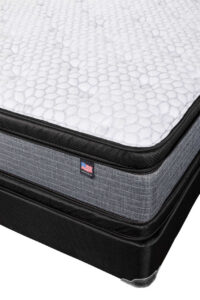
Therapedic still makes a full line of dual sided mattresses
Dunlop Latex
Dunlop latex is a type of natural latex foam produced through the Dunlop process, a method that has been used since the 1920s to create durable and dense latex material. In this process, liquid latex is whipped, poured into a mold, and then baked, allowing the heavier latex particles to settle toward the bottom. This creates a foam that is denser and firmer at the base, with a slightly softer feel on top.
Key characteristics of Dunlop latex include:
- Density and Durability: Dunlop latex tends to be denser and more resilient than other types of latex, like Talalay latex, making it an excellent choice for support layers in mattresses. Its durability ensures it can withstand years of use without significant sagging or loss of support.
- Eco-Friendly Composition: Typically made from natural rubber tree sap, Dunlop latex is often used in organic and eco-friendly mattresses, offering a sustainable alternative to synthetic foams.
- Supportive Feel: Known for its firm, supportive feel, Dunlop latex is popular with those who prefer a sturdy, stable sleep surface that maintains spinal alignment.
Dunlop latex is widely used in mattresses, mattress toppers, and pillows. Its natural resilience and supportive qualities make it ideal for those seeking a sustainable, durable, and pressure-relieving sleep surface.
DuraFlex® Edge
DuraFlex Edge is a proprietary edge support system used in certain mattresses, particularly those from the Sealy brand. It features a reinforced perimeter of high-density foam or specially designed coils, providing enhanced edge stability and maximizing the usable sleep surface. The DuraFlex Edge is designed to maintain a firm and supportive border around the mattress, preventing sagging and increasing durability.
Characteristics of DuraFlex Edge:
- Reinforced Perimeter: Uses high-density foam or a series of firmer coils along the mattress edge, creating a stable and supportive border.
- Maximized Sleep Surface: The strong edge support allows sleepers to comfortably use the entire width of the mattress without experiencing roll-off or edge collapse.
- Increased Durability: By preventing edge breakdown, the DuraFlex Edge helps extend the lifespan of the mattress, maintaining its shape and support over time.
DuraFlex Edge is often found in hybrid and innerspring models, where edge support is critical for both comfort and stability. It is designed to be flexible enough for use with adjustable bases, providing a balanced combination of firmness and adaptability.
Duvet
A duvet is a soft, plush blanket-like covering filled with down, feathers, wool, or synthetic fibers, typically encased in a removable duvet cover. Originally from Europe, duvets are designed to provide warmth and insulation without requiring additional blankets or layers. The duvet’s purpose is both functional and decorative, as it serves as the main blanket on a bed, offering a cozy feel and a clean, streamlined look.
Unlike comforters, which are often used on their own, a duvet is paired with a duvet cover, a protective fabric case that encases the duvet. The duvet cover can be removed and washed separately, helping keep the duvet clean and allowing for easy style changes.
Duvets come in different weights to suit various climates and personal warmth preferences—lighter for warmer months or climates, and heavier for colder weather. This versatile bedding option simplifies bed-making and provides a warm, luxurious layer for a comfortable night’s sleep.
Duvet Cover
A duvet cover is a protective and decorative fabric casing that encases a duvet, securing it with buttons, zippers, or ties to keep it in place. Acting as a removable cover, it serves to protect the duvet from dust, dirt, and wear, reducing the need for frequent washing of the duvet itself.
Duvet covers come in a wide variety of materials, including cotton, linen, silk, and microfiber, allowing users to choose textures and qualities that best suit their preferences. They also come in countless colors, patterns, and styles, making them a simple way to update the look of a bedroom without changing the entire duvet.
In addition to aesthetics, a duvet cover offers practical benefits:
- Easy Maintenance: Duvet covers are easy to remove, wash, and replace, helping to maintain a clean, hygienic sleep environment.
- Temperature Control: Choosing a duvet cover with breathable material, like cotton or linen, can help regulate warmth and comfort based on the season.
A duvet cover is an essential part of the duvet setup, offering both style and function, while extending the life and cleanliness of the duvet itself.
Dyssomnia
Dyssomnia is a broad category of sleep disorders characterized by difficulties in falling asleep, staying asleep, or excessive sleepiness during the day. Dyssomnias primarily involve disruptions to the quality, quantity, or timing of sleep and differ from parasomnias, which involve abnormal behaviors during sleep. Dyssomnias can significantly affect a person’s overall health, mood, and daily functioning due to poor sleep quality or insufficient sleep duration.
Types of Dyssomnias:
- Intrinsic Dyssomnias: These originate from internal causes, such as psychological, physiological, or medical issues. Common examples include:
- Insomnia: The inability to fall asleep, stay asleep, or achieve restorative sleep, despite having the opportunity. It can be acute (short-term) or chronic (long-term).
- Narcolepsy: A neurological disorder characterized by excessive daytime sleepiness, sudden sleep attacks, and symptoms like cataplexy (sudden loss of muscle tone).
- Sleep Apnea: A disorder where breathing repeatedly stops and starts during sleep, often leading to fragmented sleep and daytime sleepiness. Obstructive sleep apnea (OSA) is the most common type, involving physical airway blockage.
- Extrinsic Dyssomnias: These result from external factors affecting sleep, such as poor sleep hygiene, lifestyle habits, or environmental disruptions. Examples include:
- Inadequate Sleep Hygiene: Poor sleep habits, like irregular sleep schedules, excessive screen time before bed, or caffeine intake, can contribute to difficulty falling or staying asleep.
- Environmental Sleep Disorder: Difficulty sleeping due to external factors like noise, light pollution, or uncomfortable temperatures.
- Substance-Induced Dyssomnia: Sleep disturbances caused by the use of alcohol, caffeine, nicotine, or certain medications.
- Circadian Rhythm Dyssomnias: These disorders involve a misalignment between an individual’s internal biological clock and their external environment, leading to irregular sleep-wake patterns. Examples include:
- Delayed Sleep Phase Disorder (DSPD): A condition where a person’s sleep cycle is delayed by two or more hours, causing difficulty falling asleep at a socially acceptable time and trouble waking up in the morning.
- Advanced Sleep Phase Disorder (ASPD): The opposite of DSPD, this disorder involves an earlier-than-normal sleep and wake time, often leading to early evening sleepiness and very early morning awakenings.
- Shift Work Sleep Disorder: A disorder affecting individuals who work non-traditional hours (e.g., night shifts), resulting in sleep disruptions and misalignment with the body’s natural circadian rhythm.
- Jet Lag: A temporary circadian rhythm disruption caused by rapid travel across time zones, leading to difficulty adjusting to the new time zone and disturbed sleep patterns.
Symptoms of Dyssomnias:
- Difficulty initiating or maintaining sleep
- Frequent awakenings during the night
- Waking up feeling unrefreshed or unrested
- Excessive daytime sleepiness
- Irritability, mood swings, or cognitive impairment due to sleep deprivation
- Reduced ability to concentrate or perform daily tasks effectively
Causes of Dyssomnias: Dyssomnias can have various causes, including lifestyle factors, stress, anxiety, medical conditions, or disruptions in the circadian rhythm. Poor sleep hygiene, such as irregular bedtimes or the use of electronic devices before sleep, can exacerbate these disorders. In some cases, underlying health issues like chronic pain, depression, or neurological conditions contribute to the development of dyssomnia.
Diagnosis and Treatment: Diagnosis of dyssomnias typically involves a detailed clinical history, sleep diary, and sometimes a sleep study (polysomnography) to evaluate sleep patterns and rule out other sleep disorders. Treatment strategies depend on the specific type of dyssomnia and may include:
- Cognitive Behavioral Therapy for Insomnia (CBT-I): A non-pharmacological approach focusing on changing thought patterns and behaviors that disrupt sleep.
- Medications: Sleep aids, such as benzodiazepines, non-benzodiazepine hypnotics, or melatonin supplements, may be prescribed for short-term relief. However, medication use is generally limited due to the risk of dependence and side effects.
- Lifestyle Modifications: Improving sleep hygiene, maintaining a consistent sleep schedule, reducing caffeine intake, and creating a comfortable sleep environment can help alleviate symptoms.
- Light Therapy: Exposure to bright light at specific times can help reset the circadian rhythm in cases of circadian-related dyssomnias.
- Treatment of Underlying Conditions: Addressing medical or psychological issues contributing to dyssomnia, such as treating anxiety or managing chronic pain, is crucial for effective symptom relief.
Dyssomnias can significantly impact a person’s quality of life, leading to impaired functioning, reduced productivity, and increased risk for mental and physical health problems. Early identification and tailored interventions are essential for improving sleep quality and overall well-being.
E
Eco-Friendly Mattress
An eco-friendly mattress is designed with materials and manufacturing practices that minimize environmental impact, offering a sustainable alternative to conventional mattresses. These mattresses often incorporate natural, organic, or recycled materials, and avoid the use of harmful chemicals, synthetic foams, and plastics. Eco-friendly mattresses aim to be as biodegradable and non-toxic as possible, catering to consumers who prioritize health and sustainability.
Common features of an eco-friendly mattress include:
- Natural and Organic Materials: Many eco-friendly mattresses use natural latex, organic cotton, organic wool, or bamboo, which are renewable, sustainably harvested, and free from pesticides or toxic chemicals.
- Non-Toxic Composition: These mattresses are typically free from chemical flame retardants, formaldehyde, phthalates, and other potentially harmful additives, ensuring better indoor air quality.
- Sustainable Manufacturing: Eco-friendly mattresses often come from companies that prioritize energy-efficient manufacturing, ethical sourcing, and reduced waste, with some offering recyclable or biodegradable packaging.
- Certifications: Look for certifications like Global Organic Textile Standard (GOTS), Global Organic Latex Standard (GOLS), CertiPUR-US®, and Greenguard Gold, which indicate adherence to environmental and health standards.
Eco-friendly mattresses offer the same comfort and support as conventional mattresses but with a focus on responsible production and healthier materials. They’re ideal for environmentally conscious consumers looking for a long-lasting, comfortable sleep solution that aligns with their values.
Edge Support
Edge support refers to the level of stability and firmness provided along the edges of a mattress. Quality edge support prevents excessive sinkage when sitting or lying near the edge, extending the usable sleep surface and making it easier to get in and out of bed. Strong edge support can also enhance a mattress’s durability by reducing wear along the perimeter.
Edge support is achieved in various ways depending on the mattress type:
- Innerspring and Hybrid Mattresses: These often use reinforced coils or a thicker gauge of springs along the perimeter to provide a stable edge.
- Foam Mattresses: Foam mattresses may incorporate high-density foam along the sides to reinforce the edges, though edge support can be more variable in all-foam models.
Good edge support is especially beneficial for couples, as it allows each person to use the full mattress surface without feeling like they might roll off. It also provides a more secure feel for those who sit or sleep close to the edge.
Many mattresses now features the Quantum®-style edge support or similar.
Egg Crate Foam
Egg crate foam, also known as convoluted foam, is a type of foam with a distinctive dimpled surface resembling the shape of an egg carton. The foam features a pattern of peaks and valleys, typically created through a cutting or molding process. This textured design increases the surface area of the foam, offering unique benefits in terms of airflow, pressure relief, and comfort.
Characteristics of Egg Crate Foam:
- Textured Surface: The foam is characterized by its uneven surface with raised peaks and recessed valleys, which provides a massaging effect and enhanced contouring.
- Airflow Enhancement: The open, dimpled design allows for improved air circulation, helping to dissipate heat and moisture, making the foam cooler to sleep on compared to flat foam layers.
- Pressure Relief: The foam’s peaks and valleys help distribute body weight more evenly, reducing pressure on common pain points such as the shoulders, hips, and lower back.
- Lightweight and Flexible: Egg crate foam is typically lightweight and can easily be rolled or folded, making it popular in mattress toppers and travel mattresses.
Common Uses:
- Mattress Toppers: Egg crate foam is often used as a comfort layer in mattress toppers, adding a soft, pressure-relieving surface to an existing mattress.
- Hospital and Medical Mattresses: It is frequently used in medical settings due to its pressure-relieving properties, which can help reduce the risk of bedsores for patients who spend long periods in bed.
- Camping and Travel: The lightweight nature of egg crate foam makes it a popular choice for portable sleeping pads and camping mattresses.
Types of Egg Crate Foam:
- Polyurethane Foam: The most common type, offering a balance of softness and support at an affordable price.
- Memory Foam: Provides additional contouring and pressure relief, adapting to the shape of the body for a more personalized feel.
- Latex Foam: Offers a more resilient and durable option, combining the textured design with the natural properties of latex.
Considerations:
Egg crate foam, while beneficial for airflow and pressure relief, may not offer the same level of durability as flat, high-density foam layers. The peaks can wear down over time, leading to uneven support. It is generally used as a temporary solution or comfort layer rather than the primary support core in a mattress.
Egyptian Cotton
Egyptian cotton is a high-quality, long-staple cotton known for its exceptional softness, durability, and strength. It is grown primarily in the Nile River Valley in Egypt, where the climate and soil conditions are ideal for producing long, strong cotton fibers. These long fibers contribute to the superior texture and durability of the fabric, making it highly sought after in the textile industry, particularly for luxury bedding products such as sheets and towels.
Characteristics of Egyptian Cotton:
- Long-Staple Fibers: Egyptian cotton is known for its long fibers, which allow for the creation of finer, stronger threads. These longer fibers result in a smoother, more durable fabric with fewer joins, leading to a silkier feel.
- Softness and Comfort: The smoothness of the yarn produced from long-staple cotton fibers contributes to the fabric’s luxurious softness. Over time, Egyptian cotton becomes even softer with use and washing.
- Durability: The long fibers are not only stronger but also less prone to fraying and tearing compared to shorter-staple cotton varieties. This makes Egyptian cotton fabrics more durable and resistant to wear.
- Breathability: Like all cotton, Egyptian cotton is highly breathable, allowing air to circulate through the fabric and keeping the sleeper cool and comfortable.
Elderly Sleep Patterns
Elderly sleep patterns refer to the typical changes in sleep architecture and quality that occur as people age. It is common for older adults to experience shifts in their sleep-wake cycle, resulting in lighter, shorter, and more fragmented sleep. These changes are often part of the natural aging process but can also be influenced by lifestyle factors, health conditions, and medications. Understanding these patterns can help address sleep issues in older adults and improve overall health and quality of life.
Characteristics of Elderly Sleep Patterns:
- Shifted Circadian Rhythm: Many older adults experience a shift in their internal biological clock, leading to an advanced sleep phase. This means they tend to feel sleepy earlier in the evening and wake up earlier in the morning. This shift can result in difficulty staying awake in the evening and waking up too early, often before sunrise.
- Decreased Deep Sleep (Slow-Wave Sleep): The amount of deep, restorative sleep (slow-wave sleep) tends to decline with age. Deep sleep is crucial for physical recovery and memory consolidation. As deep sleep decreases, older adults spend more time in lighter sleep stages, making them more prone to frequent awakenings.
- Increased Sleep Fragmentation: Older adults often experience more fragmented sleep, characterized by frequent awakenings throughout the night. This can be caused by factors like discomfort, the need to use the bathroom (nocturia), or conditions like sleep apnea or restless leg syndrome.
- Reduced REM Sleep: Rapid Eye Movement (REM) sleep, the stage associated with vivid dreaming and emotional processing, may also decrease with age. Reduced REM sleep can affect mood regulation, cognitive function, and the processing of emotional experiences.
- Daytime Napping: Due to lighter and less restorative nighttime sleep, older adults may feel sleepy during the day and take more frequent naps. While short naps can be beneficial, excessive napping or late-afternoon naps may further disrupt the sleep-wake cycle.
Factors Contributing to Changes in Elderly Sleep Patterns:
- Physical Changes: The aging brain undergoes structural changes that affect sleep regulation, such as decreased activity in the suprachiasmatic nucleus (SCN), which controls circadian rhythms.
- Medical Conditions: Chronic illnesses common in older adults, such as arthritis, heart disease, and diabetes, can cause discomfort or pain that disrupts sleep. Neurological conditions like Parkinson’s disease and Alzheimer’s disease often lead to pronounced sleep disturbances.
- Medications: Many medications prescribed to older adults, including those for hypertension, depression, and chronic pain, can have side effects that disrupt sleep. Diuretics, in particular, may increase the need for nighttime urination (nocturia).
- Changes in Melatonin Production: Melatonin, a hormone that regulates sleep-wake cycles, naturally declines with age. Lower melatonin levels can contribute to difficulties falling asleep and staying asleep.
Encased Coil
An encased coil refers to a type of spring used in mattress construction where each individual coil is wrapped in a fabric pocket, typically made of a non-woven material. This design is often associated with pocketed coil systems, where each coil moves independently, allowing the mattress to offer better contouring, support, and motion isolation compared to traditional interconnected coil systems.
Characteristics of Encased Coils:
- Individual Fabric Wrapping: Each coil is individually wrapped in a fabric pocket, preventing them from shifting or rubbing against one another. This separation allows the coils to act independently, providing targeted support to different areas of the body.
- Improved Motion Isolation: Because the coils are encased and do not transfer movement to adjacent coils, motion transfer is minimized. This makes encased coil systems ideal for couples, as movement on one side of the bed is less likely to disturb the other side.
- Contouring Support: The independent movement of each coil allows the mattress to conform more precisely to the shape of the body, offering better pressure relief and spinal alignment.
Benefits of Encased Coils:
- Motion Isolation: The most notable benefit of encased coils is their ability to reduce motion transfer, ensuring a more restful sleep, especially for couples or light sleepers.
- Targeted Support: Each coil’s independent movement allows for better pressure relief, especially in areas like the hips, shoulders, and lower back. The mattress can respond more accurately to the contours of the body.
- Durability: Encased coils tend to last longer than traditional interconnected coils due to their reduced wear and tear. The fabric wrapping helps protect the coils from friction and damage.
- Increased Breathability: The pockets in which the coils are encased can create additional airflow channels, helping to keep the mattress cooler by improving ventilation.
Types of Encased Coils:
- Standard Pocketed Coils: The most common type, where each coil is wrapped in fabric, creating a system that offers both comfort and support.
- Zoned Pocketed Coils: In some encased coil systems, the coils are arranged in different zones of firmness, with firmer coils in the lumbar region and softer coils in areas like the shoulders or hips.
- Mini Coils: Some mattresses feature encased mini coils, which are smaller in size but provide additional contouring and pressure relief.
Considerations:
Encased coil systems tend to be more expensive than traditional innerspring mattresses due to the complexity of their construction and the individual wrapping of each coil. They also tend to be heavier than other types of mattresses, making them harder to move or adjust.
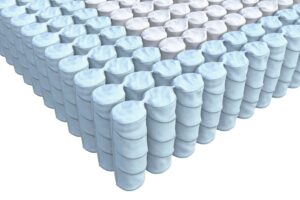
There are endless varieties of the pocketed/encased/wrapped/Marshall coil.
Ergonomic Pillow
An ergonomic pillow is specially designed to support the natural curves of the head, neck, and shoulders, promoting proper alignment and reducing strain during sleep. By contouring to the body’s shape, these pillows help relieve pressure and provide targeted support, making them popular among those with neck or back pain or anyone seeking improved sleep posture.
Common features of ergonomic pillows include:
- Contoured Shape: Many ergonomic pillows feature unique curves or cut-outs to cradle the head and support the neck, which can improve alignment for various sleep positions.
- Adaptive Materials: Often made with memory foam, latex, or gel-infused foam, these materials adjust to the shape of the head and neck, providing customized support.
- Targeted Designs for Different Sleep Positions: Ergonomic pillows come in specific designs for side, back, or stomach sleepers, with shapes that reduce strain for each sleep style.
Ideal for enhancing comfort and reducing muscle tension, ergonomic pillows support spinal alignment and promote a more restful, health-conscious sleep experience.
Euro Top
A Euro top is a type of mattress construction where an additional layer of padding or cushioning is sewn into the top of the mattress, creating a flat, seamless surface that is flush with the edges of the mattress. This design differs from traditional pillow-top mattresses, where the extra cushioning layer is stitched on top but is raised above the mattress surface. The Euro top provides a more uniform and smoother sleeping surface.
Characteristics of a Euro Top:
- Seamless Design: The Euro top layer is sewn directly into the mattress cover, creating a smooth, even surface without the bulging or visible stitching found in pillow-top designs.
- Cushioning Layer: Typically, the Euro top is made of memory foam, latex, or polyurethane foam. It offers an extra layer of comfort, softness, and pressure relief.
- Uniform Edge Support: Because the Euro top is sewn into the mattress, it provides consistent edge support without the soft, sagging edges often found in pillow-top mattresses.
- Increased Loft: The Euro top adds additional height or loft to the mattress, enhancing the overall plushness and comfort level.
Benefits of a Euro Top:
- Enhanced Comfort: The extra cushioning layer provides a plush feel, making it ideal for those who prefer a softer sleeping surface without sacrificing support.
- Sleeker Look: The Euro top creates a clean, streamlined appearance, which is more uniform and aesthetically pleasing compared to the raised pillow-top design.
- Improved Edge Support: Since the Euro top is sewn into the mattress, it prevents the edges from sagging, allowing sleepers to use the full surface area of the mattress, including the edges.
- Pressure Relief: The extra foam or padding in the Euro top conforms to the body’s shape, offering pressure relief, especially for side sleepers, who often need cushioning for their shoulders and hips.
Considerations:
- Firmness Level: Euro top mattresses can vary in firmness depending on the materials used in the additional layer. Some may feel softer, while others may provide more support.
- Durability: While Euro tops offer added comfort, they can wear down over time, particularly if made from lower-quality foam. However, higher-end materials like latex or high-density memory foam tend to last longer.
F
Fatigue
Fatigue is a persistent feeling of physical, mental, or emotional exhaustion that is not relieved by rest or sleep. It is characterized by a lack of energy, reduced motivation, and difficulty performing daily tasks. Unlike regular tiredness, which is typically resolved with adequate sleep, fatigue often persists even after sufficient rest and can significantly impact quality of life and overall functioning.
Types of Fatigue:
- Physical Fatigue: This refers to a state of muscle weakness and reduced physical strength. It is common after intense exercise, prolonged physical activity, or as a symptom of chronic health conditions like anemia, heart disease, or chronic fatigue syndrome (CFS).
- Mental Fatigue: A state of cognitive tiredness that results in impaired concentration, memory, and decision-making. Mental fatigue often arises from extended periods of mental exertion, stress, or sleep deprivation.
- Emotional Fatigue: This type of fatigue involves a sense of emotional exhaustion or burnout, often caused by prolonged stress, anxiety, or depression. It can lead to feelings of detachment, irritability, and a reduced capacity to cope with everyday challenges.
Feather Bed
A feather bed is a type of mattress topper filled primarily with feathers, typically from ducks or geese. It is designed to be placed on top of a regular mattress to provide additional softness, cushioning, and comfort. The feathers are usually encased in a fabric cover, and the topper can vary in thickness depending on the desired level of comfort.
Characteristics of a Feather Bed:
- Filled with Feathers: The primary filling material in a feather bed is feathers, which offer a soft and plush feel while still providing support.
- Softness and Loft: Feather beds add an extra layer of softness and loft to the mattress, improving comfort without completely altering the firmness of the underlying mattress.
- Encased in Fabric: Feather beds are typically enclosed in a fabric cover, often made of cotton or another breathable material, to keep the feathers in place and prevent them from poking through.
- Allergen Considerations: While feather beds offer luxurious comfort, they may not be suitable for people with allergies to feathers or down.
Benefits of a Feather Bed:
- Enhanced Comfort: The soft, plush feel of a feather bed makes it ideal for those seeking additional cushioning and a luxurious sleep surface.
- Increased Loft: Feather beds add height and a puffy, cloud-like feel to a mattress, helping to improve overall comfort.
- Temperature Regulation: Feathers are naturally breathable, helping to regulate temperature and keep the sleeper cool in the summer and warm in the winter.
Considerations:
- Maintenance: Feather beds may require occasional fluffing to maintain their loft and comfort. They can also be prone to flattening over time with use.
- Durability: Feather beds may lose their fluffiness or feel less supportive as the feathers compress, particularly if not properly maintained.
- Allergies: Individuals with allergies to feathers may experience discomfort, making alternative materials like down or synthetic fills more suitable.
Feather beds are often used in high-end bedding setups to add luxury and softness to a mattress, enhancing sleep quality for those who prefer a plush sleeping surface.
Feather Pillow
A pillow filled with feathers, offering a plush, soft feel.
Fiberfill
Fiberfill (or fiber fill) is a synthetic material used as a filling for mattresses, pillows, comforters, and other bedding products. One of the most common types of fiberfill is Dacron®, which is a brand name for polyester fiber. Dacron fiberfill is designed to mimic the feel of down feathers while being hypoallergenic, durable, and easy to care for.
Fiberglass Layer
A layer inside some mattresses used as a fire barrier.
Firmness Level
Firmness level indicates how firm or soft a mattress feels, with 1 being the firmest and 10 the softest. This scale helps individuals find a mattress that aligns with their body type, sleep position, and comfort preferences, influencing both support and pressure relief.
Firmness levels typically range as follows:
- Firm (1–3): These mattresses provide a very firm, supportive surface with minimal sink, keeping the spine aligned. Ideal for back and stomach sleepers, as well as heavier individuals, firm mattresses help prevent sagging and maintain a stable feel.
- Medium (4–6): Medium firmness balances support and comfort, offering some contour without excessive sink. This level is popular for a range of sleep positions, making it a versatile choice for combination sleepers and couples with different preferences.
- Soft (7–10): Soft mattresses offer a plush, cushioned feel with significant contouring, allowing sleepers to “sink in.” These are often preferred by side sleepers who benefit from extra cushioning around the shoulders and hips, which helps relieve pressure points.
Choosing the right firmness level is essential for achieving optimal spinal alignment and comfort, tailored to individual needs for a restful and restorative sleep experience.
First-Night Effect
The first-night effect is a phenomenon observed in sleep studies where individuals experience poorer sleep quality during their first night in an unfamiliar environment, such as a sleep laboratory or a new hotel room. The term refers to the disruption in normal sleep patterns that often occurs due to unfamiliar surroundings and heightened alertness, leading to difficulty falling asleep, increased awakenings, and a decrease in deep (slow-wave) sleep and REM sleep.
Characteristics of the First-Night Effect:
- Increased wakefulness: People may take longer to fall asleep and experience more frequent awakenings throughout the night.
- Reduced REM sleep: The first-night effect often involves a significant reduction in REM sleep, the stage associated with vivid dreaming and emotional processing.
- Reduced deep sleep: There is typically a decrease in slow-wave sleep (Stage 3), the most restorative phase of sleep, as the brain remains more alert to potential environmental threats.
- Asymmetrical brain activity: Studies using brain imaging techniques, such as EEG, have shown that one hemisphere of the brain may remain more active during the first night in a new place, a phenomenon similar to unihemispheric sleep seen in certain animals (e.g., dolphins). This heightened activity is thought to be a protective mechanism, allowing for increased vigilance in unfamiliar surroundings.
Causes of the First-Night Effect:
- Unfamiliar environment: The brain may remain partially alert in a new setting, as it is attuned to detect potential threats or changes in the environment. This increased vigilance can interfere with the normal progression of sleep stages.
- Increased stress and anxiety: Feelings of discomfort, anticipation, or anxiety about sleeping in a new place can contribute to difficulties falling asleep and staying asleep. In sleep studies, participants may also experience performance anxiety or worry about being observed, further disrupting their sleep.
- Altered sleep routines: Changes in bedtime, sleep environment, or pre-sleep habits can disrupt the circadian rhythm and sleep architecture, making it harder to fall asleep and maintain deep, restorative sleep.
Fitted Sheet
A sheet with elasticized corners designed to fit snugly over a mattress.
Fitted Sheet
A fitted sheet is a type of bed sheet with elasticized corners designed to fit snugly over a mattress, providing a smooth and secure surface for sleeping. The elastic edges hold the sheet in place, preventing it from bunching or slipping off during the night, which helps maintain comfort and ease of use.
Fitted sheets come in various sizes to match standard mattress dimensions—twin, queen, king, etc.—and are available in a wide range of materials, including cotton, microfiber, bamboo, and linen. Many fitted sheets also accommodate different mattress depths, ensuring a secure fit for standard, pillow-top, and extra-deep mattresses.
Key features of fitted sheets include:
- Elastic Corners: These allow the sheet to stretch over the mattress and stay in place, ensuring a smooth surface for a comfortable night’s sleep.
- Easy to Remove and Wash: Fitted sheets are designed to be easily removed for laundering, making bed maintenance simple.
Fitted sheets are a bedding essential, providing a tailored fit that adds both practicality and comfort to the sleep experience by keeping the bed looking neat and feeling comfortable.
Flame Retardants (in Mattresses)
Flame retardant materials in mattresses are substances or treatments designed to slow or prevent the spread of fire, reducing the risk of injury or death from a fire-related incident. These materials are commonly integrated into mattress construction to meet fire safety standards and improve the mattress’s resistance to ignition from heat sources like cigarettes, electrical malfunctions, or open flames. Their primary function is to delay the onset of a fire or reduce the rate at which the mattress burns, providing more time for escape in the event of a fire.
Types of Flame Retardant Materials Used in Mattresses:
- Natural Flame-Resistant Materials:
- Wool: Wool is a natural fiber known for its flame-resistant properties. It is often used as a fire barrier in mattresses because it can self-extinguish when exposed to flame and does not easily catch fire. Wool is often incorporated into the outer layers of a mattress or used as a component in the mattress padding to meet fire safety regulations.
- Silica-Based Compounds: Some mattresses are treated with silica-based compounds, which can increase the fire resistance of materials without the need for toxic chemicals. These compounds are applied to fabrics or foams to help delay ignition.
- Cotton: While cotton is naturally flammable, it is sometimes treated with non-toxic flame retardants like borax to reduce its flammability while maintaining its natural feel and breathability.
- Barrier Fabrics:
- Inherent Flame-Resistant Fabrics: Fabrics made from aramid fibers (such as Nomex®) or glass fibers are naturally resistant to flame. These fabrics are often used as a protective layer in mattresses, providing fire resistance without requiring additional chemical treatments.
- Polyester or Nylon Blends: These materials can be engineered to resist ignition and prevent the spread of fire. Sometimes, these fabrics are used as an outer cover or barrier between the mattress foam and other materials.
- Chemical Flame Retardants:
- Phosphorus-Based Compounds: These are often used as chemical treatments to enhance the flame resistance of mattress components, including foams and fabrics. These chemicals work by releasing phosphoric acid when exposed to heat, which helps to slow the spread of flames.
- Brominated Compounds: Once commonly used in mattress foams, brominated flame retardants work by preventing combustion. However, many of these have been phased out due to health and environmental concerns.
- Intumescent Treatments:
- Intumescent flame retardants are chemicals that expand when exposed to heat, forming a protective, insulating layer over the material. This action helps to prevent fire penetration. These treatments are often used in combination with other flame retardants to improve overall fire safety.
Fire Safety Standards (CFR 1633):
In the United States, mattresses must meet CFR 1633, a regulation that sets fire resistance standards for mattresses and mattress pads. Under CFR 1633, mattresses must pass tests designed to simulate exposure to flames, such as open flame and heat sources like smoldering cigarettes. Flame retardant materials are essential for mattresses to pass these tests and be sold legally in the U.S.
To meet CFR 1633, mattresses often incorporate flame-resistant fabrics or flame-retardant-treated foam layers. The combination of these materials ensures that the mattress meets the necessary fire resistance levels, which are crucial for consumer safety.
Pros and Cons of Flame Retardant Materials in Mattresses:
Pros:
- Improved Fire Safety: Flame retardant materials can significantly reduce the risk of fire spreading in a mattress, offering valuable extra time for escape in the event of a fire.
- Enhanced Durability: Many of the materials used in flame-retardant treatments, like wool and aramid fabrics, also contribute to the mattress’s longevity and resilience.
- Non-Toxic Alternatives: Recent advances in natural and non-toxic flame retardant treatments, such as wool or silica-based compounds, offer effective fire resistance without the health risks associated with older chemicals.
Cons:
- Health Concerns: Some traditional chemical flame retardants, like PBDEs (polybrominated diphenyl ethers), have been linked to health concerns such as hormone disruption and developmental issues. Many of these have been phased out in favor of safer alternatives, but concerns still exist.
- Cost: Mattresses treated with high-quality natural flame retardant materials, such as wool or aramid fabrics, may be more expensive due to the added materials and labor involved in production.
- Durability of Chemical Treatments: Chemical flame retardants may break down over time, especially with frequent use or washing, reducing their effectiveness in fire prevention.
Trends in Flame Retardant Materials:
As concerns over the toxicity of certain chemicals have grown, mattress manufacturers are increasingly moving toward natural, non-toxic flame retardants. Materials like wool, cotton treated with borax, and silica-based compounds are gaining popularity as safer alternatives to traditional chemical flame retardants. Additionally, barrier fabrics made from inherently flame-resistant fibers like Nomex® and glass fibers are becoming more common in high-end mattresses, offering effective fire resistance without relying on chemicals.
Flame retardant materials in mattresses are essential for meeting fire safety standards like CFR 1633 and protecting consumers from the dangers of mattress fires. While chemical flame retardants were once the primary solution, natural and non-toxic alternatives are increasingly being used due to health and environmental concerns. Flame-resistant fabrics, wool, and silica compounds now provide safer, effective ways to ensure mattresses resist ignition and slow the spread of fire.
Flannel
Flannel is a soft, woven fabric known for its warmth, comfort, and slightly fuzzy texture, making it popular for cold-weather clothing and bedding. Traditionally made from wool, modern flannel is often crafted from cotton or synthetic fibers, brushed on one or both sides to create its signature softness.
Key qualities of flannel include:
- Warmth: The brushed fibers trap heat and add insulation, making flannel ideal for cooler climates and winter months.
- Soft Texture: The brushing process gives flannel a cozy, plush feel against the skin, adding comfort for both bedding and clothing.
- Breathability: While warm, flannel remains breathable, allowing moisture to wick away, which helps keep the fabric comfortable.
Flannel is commonly used in sheets, pajamas, and shirts, where its combination of softness and warmth creates a snug, inviting feel. Its durability and comfort make it a winter staple, bringing a touch of coziness to everyday essentials.
Flat Sheet
The top sheet placed between the sleeper and the comforter or blanket.
Flipable Mattress
A flippable mattress is designed with two usable sides, allowing it to be flipped periodically for even wear and extended lifespan. Unlike most modern mattresses that are single-sided, flippable mattresses feature comfort layers on both the top and bottom surfaces, providing consistent support and comfort on either side.
Flippable mattresses offer several advantages:
- Enhanced Durability: Regularly flipping the mattress distributes wear across both sides, helping to reduce sagging and body impressions, which can extend the mattress’s lifespan.
- Variety in Firmness: Some flippable mattresses have different firmness levels on each side, such as a firm side and a medium side, allowing users to choose their preferred comfort level without needing a new mattress.
- Even Support: By flipping the mattress, sleepers maintain a more uniform surface over time, helping to preserve comfort and support.
Flippable mattresses are often found in high-quality innerspring, hybrid, and latex models, catering to those seeking a more durable and versatile sleep solution. Although less common today, they’re valued by consumers looking for a mattress that offers longevity and customizable comfort.
Foam Core
A foam core is the primary support layer in all-foam mattresses, made from materials like polyurethane foam, memory foam, or latex foam. It provides structure, durability, and support for the mattress, helping to distribute body weight evenly. The foam core typically serves as the base layer, with softer foam layers placed above for comfort. It is not used in hybrid mattresses, which combine foam with innerspring coils for additional support and comfort.
Foam Topper
A foam topper is a cushioned layer of foam placed on top of a mattress to improve comfort, support, and pressure relief. They are typically made from materials such as memory foam, polyurethane foam, or latex foam. Foam toppers can vary in thickness, density, and type, each offering different benefits and drawbacks.
Foundation
A foundation is a support base similar to a boxspring but without the springs. Instead, it is typically a rigid structure made from slats or a solid panel that provides a stable and firm base for the mattress. Foundations are often used with foam and hybrid mattresses that require more consistent support compared to traditional boxsprings.
Pros:
- Provides firm, consistent support, which is essential for memory foam and latex mattresses.
- Prevents mattress sagging and improves overall comfort and durability.
- Typically lightweight and easier to move compared to boxsprings.
Cons:
- Not as shock-absorbing as boxsprings, so it may not be ideal for innerspring mattresses.
- Without proper breathability, some foundations can lead to heat retention.
Note: The structure of the foundation should have slats or allow airflow to prevent mold and heat buildup while ensuring the mattress gets the support it needs.
Note: Note: Also See Boxspring
Four-Stage Sleep Model
The four-stage sleep model is a simplified framework used to describe the progression of sleep through distinct stages, including both non-REM (NREM) and REM sleep. In this model, sleep is divided into four stages: three stages of NREM sleep and one stage of REM sleep. These stages cycle throughout the night, with each complete cycle lasting approximately 90 to 110 minutes.
The Four Stages of Sleep:
- Stage 1 (NREM Sleep – Light Sleep):
- This is the initial, lightest stage of sleep, often lasting only a few minutes as the body transitions from wakefulness to sleep.
- Brain activity slows down, with a shift from alpha waves (seen in wakefulness) to theta waves, which are slower in frequency.
- Muscle activity decreases, and the body begins to relax. The heart rate and breathing slow down slightly.
- People in Stage 1 are easily awakened, often experiencing hypnic jerks or sudden muscle twitches.
- This stage typically accounts for about 5% of total sleep time.
- Stage 2 (NREM Sleep – Light to Moderate Sleep):
- Stage 2 is a deeper form of NREM sleep that lasts longer than Stage 1, making up about 45-55% of the total sleep time.
- Brain waves continue to slow, and distinct patterns like sleep spindles (bursts of rapid brain activity) and K-complexes (sudden, high-amplitude waves) are observed on an EEG.
- Body temperature drops, and muscles relax further. The heart rate and breathing continue to slow, preparing the body for deeper stages of sleep.
- Stage 2 sleep is still considered light sleep, but it is more difficult to awaken from compared to Stage 1.
- Stage 3 (NREM Sleep – Deep Sleep, Slow-Wave Sleep):
- Stage 3, also known as deep sleep or slow-wave sleep (SWS), is the most restorative phase of sleep. It accounts for 15-25% of total sleep time but decreases with age.
- This stage is dominated by delta waves, which are high-amplitude, low-frequency brain waves indicating synchronized neural activity.
- During Stage 3, the body is in its most relaxed state: heart rate, breathing, and blood pressure are at their lowest, and muscles are deeply relaxed.
- It is very difficult to wake someone during this stage, and doing so may result in sleep inertia, a state of grogginess and disorientation.
- This stage is crucial for physical restoration, tissue growth, immune system function, and the release of growth hormone.
- Stage 4 (REM Sleep – Rapid Eye Movement Sleep):
- REM sleep is the stage associated with vivid dreaming and increased brain activity, making up about 20-25% of total sleep time.
- The brain becomes highly active, showing patterns similar to wakefulness (beta waves). The eyes move rapidly in different directions, hence the name Rapid Eye Movement (REM) sleep.
- Unlike NREM stages, the body undergoes muscle atonia, a temporary paralysis of voluntary muscles, which prevents the sleeper from acting out their dreams.
- REM sleep is crucial for emotional processing, memory consolidation (especially procedural and emotional memories), and cognitive functions like problem-solving.
- As the night progresses, REM sleep periods become longer, with the majority of REM sleep occurring in the second half of the night.
Sleep Cycles:
- The four stages of sleep cycle throughout the night, typically repeating every 90 to 110 minutes. The first few cycles of the night tend to have longer periods of deep sleep (Stage 3), while later cycles have longer periods of REM sleep.
- A healthy sleeper experiences about 4 to 6 cycles per night, with the composition of each cycle shifting as the night progresses.
Importance of the Four-Stage Sleep Model: The four-stage sleep model provides a clear and simplified framework for understanding sleep architecture and how the brain and body transition through different phases of rest and recovery. Each stage plays a unique role in overall health:
- Stages 1 and 2 help the body transition from wakefulness into deeper stages of sleep, allowing for relaxation and light rest.
- Stage 3 (deep sleep) is vital for physical recovery, immune function, and cellular repair.
- Stage 4 (REM sleep) supports memory consolidation, emotional regulation, and cognitive processing.
Disruptions to the Sleep Cycle:
- Sleep disorders such as insomnia, sleep apnea, and restless leg syndrome can disrupt the normal progression through sleep stages, reducing the amount of deep and REM sleep.
- Poor sleep hygiene, irregular sleep schedules, and factors like caffeine or alcohol intake can also alter the natural cycle of these stages, leading to fragmented or less restorative sleep.
Tips for Supporting a Healthy Sleep Cycle:
- Maintain a consistent sleep schedule: Going to bed and waking up at the same time every day helps regulate the body’s internal clock and supports the natural progression of sleep stages.
- Create a sleep-conducive environment: A cool, dark, and quiet bedroom promotes deeper and more restful sleep.
- Limit screen time before bed: Reducing exposure to blue light from phones and computers can help signal to the body that it is time to enter the sleep cycle naturally.
The four-stage sleep model simplifies our understanding of sleep architecture, highlighting the distinct roles of each stage in overall health and well-being. While more advanced models may include additional nuances, this framework offers a clear, practical overview of the cyclical nature of sleep and its importance for physical and mental restoration.
Fragmented Sleep
Fragmented sleep is a condition characterized by frequent, repeated awakenings or disruptions throughout the night, resulting in broken and poor-quality sleep. Instead of experiencing continuous, uninterrupted cycles through the stages of sleep, a person with fragmented sleep may wake up multiple times or transition back to lighter stages of sleep frequently. This prevents the body from spending adequate time in deeper, more restorative stages of sleep, such as slow-wave sleep (Stage 3) and REM sleep.
Causes of Fragmented Sleep:
- Sleep Disorders:
- Sleep Apnea: One of the most common causes of fragmented sleep, sleep apnea involves repeated pauses in breathing, leading to micro-awakenings throughout the night.
- Restless Leg Syndrome (RLS): The urge to move the legs due to uncomfortable sensations often disrupts sleep continuity.
- Periodic Limb Movement Disorder (PLMD): Involuntary limb movements during sleep can cause brief awakenings.
- Environmental Factors:
- Noise: Loud or unexpected noises, such as traffic, snoring, or pets, can cause brief arousals, breaking the continuity of sleep.
- Light Exposure: Light pollution from streetlights, electronic devices, or sudden exposure to light can disturb sleep, especially during lighter sleep stages.
- Temperature Fluctuations: An uncomfortable sleeping environment, whether too hot or too cold, can lead to frequent awakenings.
- Medical Conditions:
- Chronic Pain: Conditions like arthritis, fibromyalgia, or back pain can make it difficult to stay asleep due to discomfort or pain.
- Gastroesophageal Reflux Disease (GERD): Acid reflux symptoms often worsen when lying down, leading to sleep disruptions.
- Nocturia: The need to urinate frequently during the night, often seen in older adults or individuals with conditions like diabetes or an enlarged prostate, can fragment sleep.
- Psychological Factors:
- Stress and Anxiety: High levels of stress or anxiety can prevent the brain from fully entering deep sleep stages, causing more frequent awakenings.
- Nightmares or Night Terrors: Intense or disturbing dreams can abruptly wake the sleeper, interrupting the normal sleep cycle.
- Substance Use:
- Alcohol: Although alcohol may initially promote relaxation and sleep onset, it often leads to fragmented sleep as its effects wear off, disrupting the deeper stages of sleep.
- Caffeine: Consuming caffeine too close to bedtime can increase the likelihood of sleep fragmentation due to its stimulating effects on the nervous system.
Full Size
A full-size mattress, also commonly known as a double, standard, or regular mattress, measures 54 inches wide by 75 inches long. Though names vary, these terms all refer to the same mattress size. Larger than a twin but smaller than a queen, the full mattress is a popular choice for solo sleepers who want more room or for guest rooms where space is limited.
Who It’s Best For:
- Single Adults: A full mattress provides more width than a twin, allowing an adult to sleep comfortably with extra room to stretch out.
- Kids and Teens: For children or teenagers who have outgrown a twin, a full mattress offers a roomier option without taking up as much space as a queen or king.
- Guest Rooms: Full-size mattresses are often used in guest rooms, where they provide a versatile sleep surface that accommodates single sleepers and even couples in a pinch, though it may be snug for two adults.
Full-size mattresses are available in all types—memory foam, innerspring, hybrid, and more—giving sleepers the flexibility to choose a mattress that fits both their comfort needs and budget. Despite the variety of names, full, double, standard, and regular all refer to the same versatile and space-efficient mattress size.
Full XL
A Full XL is a mattress size that is similar to a standard Full mattress but offers an additional 5 inches in length, making it 54 inches wide by 80 inches long. This extra length makes the Full XL mattress ideal for taller individuals who need more space to stretch out while still maintaining the width of a Full mattress. It is commonly used in settings where space is limited, such as in dorm rooms, guest rooms, or for individuals who prefer a more compact bed while requiring more length than a standard Full mattress.
The Full XL is slightly less common than the standard Full or Queen size but provides a good compromise between the Full and Queen for taller sleepers or those in smaller spaces.
G
Gastrosophageal Reflux Disease (GERD) and Sleep
Gastroesophageal Reflux Disease (GERD) is a chronic condition where stomach acid frequently flows back into the esophagus, causing symptoms like heartburn, regurgitation, and chest pain. GERD can significantly affect sleep quality, as the symptoms often worsen when lying down. The relationship between GERD and sleep is bidirectional: GERD can disrupt sleep, and poor sleep quality can exacerbate GERD symptoms, creating a cycle of discomfort and restlessness.
How GERD Affects Sleep:
- Increased Acid Reflux at Night:
- When lying flat, stomach acid is more likely to flow back into the esophagus, as gravity no longer helps keep the acid in the stomach. This can lead to nighttime heartburn and regurgitation.
- Acid exposure during sleep can irritate the lining of the esophagus, causing a burning sensation that can wake the sleeper and make it difficult to fall back asleep.
- Nocturnal Cough and Aspiration:
- Acid reflux can trigger coughing or throat clearing at night, disrupting sleep. In severe cases, the acid may reach the back of the throat and even the lungs, leading to aspiration and a risk of respiratory complications like pneumonia.
- Sleep Fragmentation:
- GERD symptoms, such as heartburn or a sour taste in the mouth, can cause frequent awakenings, preventing the sleeper from spending adequate time in restorative deep and REM sleep stages.
- Fragmented sleep due to GERD can lead to excessive daytime sleepiness, impaired concentration, and decreased overall well-being.
Factors That Contribute to GERD Symptoms at Night:
- Late-Night Eating: Eating large meals or snacks close to bedtime increases the likelihood of reflux. Lying down too soon after eating allows stomach contents to press against the lower esophageal sphincter (LES), the muscle that normally prevents acid from entering the esophagus.
- Alcohol and Caffeine: Both alcohol and caffeine relax the LES, making it easier for acid to flow back into the esophagus. Consuming these substances in the evening can exacerbate nighttime GERD symptoms.
- Obesity: Excess weight can put pressure on the stomach and LES, increasing the risk of reflux. This is especially problematic when lying down, as the pressure on the stomach intensifies.
- Sleep Position: Sleeping flat on the back (supine position) can worsen GERD symptoms, as it allows acid to flow more freely into the esophagus. Right-side sleeping can also increase reflux episodes, while left-side sleeping may reduce them.
Impact of GERD on Sleep Quality:
- Reduced Sleep Efficiency: Nighttime GERD symptoms often lead to lower sleep efficiency, as the sleeper spends more time awake or in lighter stages of sleep, reducing the time spent in deep and REM sleep.
- Increased Risk of Sleep Disorders: GERD is associated with a higher risk of developing sleep disorders like insomnia, obstructive sleep apnea (OSA), and nocturnal asthma. OSA, in particular, can worsen GERD, as the pauses in breathing create negative pressure in the chest, pulling acid into the esophagus.
- Daytime Fatigue and Cognitive Impairment: Poor sleep quality due to GERD can result in excessive daytime sleepiness, difficulty concentrating, memory problems, and reduced productivity.
Managing GERD to Improve Sleep:
- Elevate the Head of the Bed:
- Raising the head of the bed by 6-8 inches can help prevent acid reflux by using gravity to keep stomach contents from flowing back into the esophagus. A wedge pillow can also be used for this purpose.
- Adjust Sleep Position:
- Sleeping on the left side may help reduce acid reflux episodes, as it positions the stomach below the esophagus and uses gravity to keep acid in the stomach.
- Avoid sleeping on the right side or on the back, as these positions can increase the likelihood of reflux.
- Modify Diet and Eating Habits:
- Avoid large meals, spicy foods, fatty foods, chocolate, and citrus fruits close to bedtime, as these can trigger or worsen GERD symptoms.
- Finish eating at least 3 hours before going to bed to give the stomach time to digest and empty its contents.
- Limit alcohol and caffeine intake, especially in the evening.
- Weight Management:
- Maintaining a healthy weight can help reduce pressure on the stomach and lower the risk of acid reflux, improving sleep quality in the process.
Gauge (Coil Gauge)
The thickness of the wire used in mattress coils; lower numbers indicate thicker, firmer coils.
Gel Beads
Gel beads are small, round particles made from a gel-like substance, often used in mattresses, mattress toppers, and pillows to enhance temperature regulation and provide a cooling effect. These beads are typically made from a silicone-based gel or polymer, which has the ability to absorb and dissipate heat, helping to keep the sleeping surface cooler.
Characteristics of Gel Beads:
- Cooling Properties: Gel beads are designed to absorb excess heat and release it, helping to maintain a more consistent temperature and prevent overheating during sleep.
- Even Distribution: When integrated into memory foam or other foam types, gel beads are often distributed evenly throughout the foam layer, improving airflow and enhancing overall comfort.
- Durable: Gel beads are resistant to compression, ensuring that the cooling properties of the mattress remain effective over time without degradation.
Benefits:
- Temperature Regulation: Gel beads help maintain a cooler sleeping environment, making them ideal for hot sleepers or those living in warmer climates.
- Enhanced Comfort: The cooling effect can enhance overall comfort by preventing the buildup of heat, which can lead to discomfort or restless sleep.
- Improved Airflow: Gel beads help increase airflow within foam layers, reducing the feeling of heat retention that is common in traditional foam mattresses.
Considerations:
- Effectiveness: While gel beads improve temperature regulation, they may not be as effective as other cooling technologies like phase-change materials (PCM) or open-cell foams.
- Cost: Mattresses with gel-infused foam or gel beads can be more expensive due to the added materials and manufacturing process.
- Not Always Cooling Enough: In some cases, gel-infused products may not provide a significant cooling effect for extremely hot sleepers or in very warm environments.
Gel Foam
Gel foam is a type of memory foam or polyurethane foam that has been infused with gel particles or a gel layer to enhance the foam’s cooling properties. The gel is typically incorporated into the foam to help absorb and dissipate heat, making the mattress or pillow more comfortable for sleepers who tend to overheat during the night.
Characteristics of Gel Foam:
- Cooling Effect: The gel infusion helps absorb excess body heat and releases it, maintaining a cooler sleeping surface compared to traditional memory foam.
- Enhanced Breathability: Gel foam typically features improved airflow compared to standard memory foam, preventing heat retention and promoting better temperature regulation.
- Pressure Relief: Like traditional memory foam, gel foam provides contouring support, helping to relieve pressure points by evenly distributing body weight.
Benefits:
- Temperature Regulation: Gel foam is particularly beneficial for hot sleepers, as it helps keep the mattress cooler throughout the night.
- Comfort and Support: The foam still offers the contouring and support benefits of regular memory foam, but with the added cooling properties.
- Durability: Gel-infused foam is often more durable than traditional memory foam because the gel infusion can help prevent excessive softness or sinking over time.
Considerations:
- Cost: Gel foam mattresses tend to be more expensive than standard memory foam options due to the additional materials and technology used.
- Cooling Limitations: While gel foam can help reduce heat retention, it may not provide the same level of cooling as other technologies, such as phase-change materials (PCMs) or active cooling systems.
- Feel: Some sleepers may find that the addition of gel slightly changes the feel of the foam, though it is generally subtle.
Gel-Infused Latex
Gel-infused latex combines natural or synthetic latex with cooling gel particles or layers, aiming to provide the supportive, responsive feel of latex with enhanced temperature regulation. Latex is naturally breathable and resilient, offering bounce and support, but some sleepers may still experience warmth. The addition of gel helps address this by dispersing heat away from the body.
Here’s how gel-infused latex enhances the sleep experience:
- Cooling Effect: The gel infusion helps draw heat away from the body, creating a cooler sleeping surface. This is particularly beneficial for hot sleepers or those in warmer climates.
- Pressure Relief with Responsiveness: Gel-infused latex still provides the gentle contouring of latex, which relieves pressure on joints and muscles while allowing for easier movement than traditional memory foam. This makes it popular for combination sleepers who change positions during the night.
- Enhanced Durability and Support: Latex is known for its longevity and resistance to sagging, and the gel infusion doesn’t compromise these qualities. Gel-infused latex mattresses and toppers maintain structural integrity while adding a refreshing feel.
Gel-infused latex combines the durability, support, and eco-friendliness of latex with the cooling benefits of gel, making it an appealing choice for those seeking a cooler, responsive sleep surface without sacrificing comfort.
Glymphatic System
A system that clears waste from the brain, particularly active during deep sleep.
Good Sleep Hygiene
Sleep hygiene refers to a set of practices and environmental factors that promote consistent, high-quality sleep. It involves establishing habits and creating a sleep environment that supports the body’s natural sleep-wake cycles, making it easier to fall asleep, stay asleep, and wake up feeling refreshed. Good sleep hygiene is a cornerstone of healthy sleep and is often the first step recommended for improving sleep quality, especially for those experiencing mild sleep disturbances or insomnia.
Core Components of Sleep Hygiene:
- Consistent Sleep Schedule:
- Go to bed and wake up at the same time every day, even on weekends. This helps regulate the body’s internal clock (circadian rhythm) and makes it easier to fall asleep and wake up naturally.
- Avoid drastic changes in your sleep schedule, as irregular sleep patterns can confuse the biological clock and disrupt sleep quality.
- Creating a Relaxing Bedtime Routine:
- Establish a wind-down period before bed with calming activities, such as reading, listening to soothing music, or taking a warm bath.
- Engage in relaxation techniques, like deep breathing exercises, meditation, or progressive muscle relaxation, to help ease tension and prepare the mind for sleep.
- Optimizing the Sleep Environment:
- Keep the bedroom cool, dark, and quiet. Aim for a temperature between 60-67°F (15-19°C), as cooler temperatures are associated with better sleep.
- Use blackout curtains or an eye mask to block out light, and consider using a white noise machine or earplugs to reduce noise disruptions.
- Invest in a comfortable mattress and supportive pillows to minimize physical discomfort and promote restful sleep.
- Limiting Exposure to Blue Light:
- Avoid using electronic devices like smartphones, tablets, and computers at least an hour before bed. The blue light emitted by screens can suppress melatonin production, making it harder to fall asleep.
- Consider using blue light filters or “night mode” settings on devices if screen use is necessary in the evening.
- Opt for activities that do not involve screens, such as reading a physical book or practicing gentle stretching.
- Mindful Consumption of Food and Drink:
- Avoid heavy meals, spicy foods, and large amounts of fluids close to bedtime, as they can cause discomfort or frequent trips to the bathroom, disrupting sleep.
- Limit caffeine intake, particularly in the afternoon and evening. Caffeine is a stimulant that can interfere with the ability to fall asleep and may reduce sleep quality.
- Minimize alcohol consumption before bed. While alcohol may initially make you feel drowsy, it disrupts sleep architecture, reducing REM sleep and causing fragmented sleep.
- Physical Activity:
- Regular exercise can help improve sleep quality and make it easier to fall asleep. Aim for at least 30 minutes of moderate exercise most days of the week.
- Avoid vigorous exercise close to bedtime, as it can increase heart rate and body temperature, making it harder to wind down.
- Managing Stress and Anxiety:
- Practice stress management techniques, such as mindfulness, journaling, or yoga, to reduce anxiety and promote relaxation before bed.
- If you find yourself worrying or thinking about tasks you need to do, set aside time earlier in the evening to write down your thoughts or create a to-do list. This can help clear your mind before sleep.
Common Sleep Hygiene Mistakes:
- Using the bed for activities other than sleep: Avoid using the bed for watching TV, eating, or working. Reserve it exclusively for sleep and intimacy to strengthen the mental association between bed and sleep.
- Relying on naps to catch up on sleep: While short naps (20-30 minutes) can be beneficial, long or late-afternoon naps can interfere with the ability to fall asleep at night.
- Overuse of sleep aids: Relying on over-the-counter sleep medications or supplements like melatonin without addressing underlying sleep habits can lead to dependency and worsen sleep problems over time.
Benefits of Good Sleep Hygiene:
- Improved Sleep Quality: Consistently following good sleep hygiene practices can help reduce sleep disturbances and enhance the restorative aspects of sleep.
- Better Mood and Mental Health: Quality sleep is linked to improved mood, reduced irritability, and lower levels of stress and anxiety.
- Enhanced Cognitive Function: A well-rested brain processes information more efficiently, leading to better focus, memory, and decision-making.
- Physical Health Benefits: Proper sleep hygiene supports immune function, aids in muscle recovery, and helps regulate metabolic processes, contributing to overall physical well-being.
Tips for Starting a Sleep Hygiene Routine:
- Start small: Focus on one or two changes at a time, such as setting a regular sleep schedule or creating a calming bedtime routine.
- Be patient: It can take a few weeks for your body to adjust to new sleep habits. Consistency is key to establishing lasting improvements in sleep quality.
- Adapt as needed: Everyone’s sleep needs are different. Tailor your sleep hygiene practices to fit your lifestyle, preferences, and any specific sleep challenges you face.
GOTS Certified
GOTS certified refers to products that meet the Global Organic Textile Standard (GOTS), the leading certification for organic textiles worldwide. This certification ensures that textiles, including bedding, clothing, and fabrics, are made from organic fibers and meet stringent environmental and social criteria throughout the supply chain.
To earn GOTS certification, a product must meet specific standards at every stage:
- Organic Fiber Content: GOTS requires a minimum of 70% organic fibers for certification, with a stricter “organic” label requiring 95% or more. This means the fibers are grown without synthetic pesticides, herbicides, or genetically modified organisms (GMOs).
- Environmental Standards: GOTS enforces eco-friendly processing practices, including non-toxic dyes, minimal wastewater, and reduced energy use, which are closely monitored to minimize environmental impact.
- Social Responsibility: GOTS also includes social criteria to ensure fair labor practices, safe working conditions, and fair wages for workers involved in the production process.
The GOTS label provides a high level of assurance for consumers seeking sustainable, non-toxic, and ethically produced textiles. Recognized internationally, GOTS certification is a mark of quality for those prioritizing organic and eco-conscious products in their homes and wardrobes.

GreenGuard® Certified
GREENGUARD Certified is a certification awarded to products that meet strict chemical emissions standards, ensuring they contribute to healthier indoor air quality. Administered by UL Environment, the GREENGUARD certification focuses on limiting the release of volatile organic compounds (VOCs) that can contribute to indoor pollution and cause health issues over time.
GREENGUARD certification is common in furniture, building materials, mattresses, and other household items where low emissions are essential for maintaining a safe indoor environment, particularly in enclosed spaces like homes, offices, and schools.
There are two levels of certification:
- GREENGUARD: This certification indicates that a product has low chemical emissions, suitable for general indoor use.
- GREENGUARD Gold: A stricter standard, GREENGUARD Gold is often applied to products used in sensitive environments, such as schools and healthcare facilities, where additional considerations are made for individuals who are more vulnerable to chemical exposure, including children and the elderly.
Products with GREENGUARD certification help reduce indoor air pollutants and contribute to a healthier living space, making them a popular choice for those prioritizing low-toxicity and eco-conscious household items.
H
Hardside Waterbed
A hardside waterbed is a traditional style of waterbed that features a flexible vinyl water mattress supported by a sturdy wooden frame. The water-filled mattress, lacking any internal structure, relies entirely on the frame for its shape and support. This type of waterbed was popular in the 1970s and 1980s for its unique, wave-like sensation and the ability to contour closely to the sleeper’s body.
Key Characteristics:
- Wooden Frame: The defining feature is the surrounding wooden frame, which holds the water mattress in place. Without this frame, the vinyl mattress would spread and lose shape.
- Vinyl Water Mattress: Typically made of thick, durable vinyl, these mattresses can be filled to different levels, adjusting the firmness by increasing or decreasing the water volume.
- Wave Motion: The mattress offers varying degrees of wave motion. Classic models (often called “free flow”) allow significant wave activity, while modern variations may include baffles or fiber inserts to reduce the wave effect.
- Temperature Control: Most hardside waterbeds include a heating element to warm the water. This helps maintain a comfortable sleeping temperature, especially as the water can otherwise feel cold.
Pros and Cons:
Pros:
- Pressure Relief: The water supports the body evenly, reducing pressure points and providing a unique floating sensation.
- Customizable Firmness: Adjusting the water level can change the mattress firmness, offering a personalized sleeping experience.
- Durability: With proper maintenance, the vinyl mattress can be quite durable.
Cons:
- Maintenance: Requires regular upkeep, including adding water conditioner, monitoring the water level, and occasionally replacing the vinyl mattress if leaks develop.
- Weight: When filled, a hardside waterbed is significantly heavier than most other mattresses, requiring strong support and limiting its placement on upper floors.
- Limited Support Options: Due to the nature of the water mattress, it may lack the structured support some sleepers prefer, especially for those needing firmer or more stable sleep surfaces.
While the popularity of hardside waterbeds has declined, they still have a niche following among those who enjoy the distinctive, nostalgic feel of floating on water.
Headboard
The upright panel attached to the head of a bed frame, often decorative.
Heat Retention
Heat retention refers to a material’s ability to absorb, store, and maintain warmth over time. In the context of bedding and mattresses, it plays a crucial role in determining the overall temperature regulation and comfort level of the sleep surface. A material with high heat retention will hold onto body heat, often creating a warmer sleep environment, while low heat retention allows for better cooling and airflow.
How It Affects Sleep:
The level of heat retention in bedding or mattresses can significantly impact sleep quality:
- Warm Sleepers: Individuals who tend to overheat may find high heat retention uncomfortable, leading to night sweats and restless sleep.
- Cold Sleepers: Those who often feel cold at night may benefit from bedding with higher heat retention, as it provides a cozy, insulated feel.
Factors Influencing Heat Retention:
- Material Composition: Natural fibers like wool and cotton tend to be more breathable, reducing heat retention, while synthetic materials (e.g., memory foam, polyester) often trap more heat.
- Density and Thickness: Denser and thicker materials usually have higher heat retention, as there is less airflow to dissipate warmth.
- Mattress Construction: Memory foam mattresses, for example, tend to retain more heat due to their dense structure, while innerspring or hybrid models generally allow for better airflow and less heat buildup.
- Bedding Layers: The use of mattress toppers, thick comforters, or certain types of mattress protectors can increase heat retention, as these layers add insulation.
Examples of Bedding and Mattress Materials:
- Memory Foam: High heat retention, often criticized for sleeping hot. Many newer versions include gel infusions or open-cell designs to improve cooling.
- Latex Foam: Moderate heat retention, generally cooler than memory foam due to its more breathable, open-cell structure.
- Cotton: Low heat retention, offering good breathability and cooling properties, making it ideal for warmer climates.
- Wool: Moderate heat retention with natural temperature-regulating properties, effectively wicking moisture away while maintaining a warm, comfortable sleep environment.
- Polyester and Microfiber: Often have higher heat retention, trapping heat due to their synthetic, non-breathable nature.
Heat-Treated Coils
Heat treating coils refers to the process of applying heat to the steel coils used in mattress construction to strengthen and harden them, improving their durability and resilience. During the heat treatment process, the coils are heated to a specific temperature and then cooled in a controlled manner. This process alters the metal’s structure, increasing its resistance to deformation and extending its lifespan.
Characteristics of Heat Treating Coils:
- Strengthens Steel: The heat treatment process helps to harden the steel, making the coils more resistant to wear and tear over time.
- Improves Durability: By heat treating the coils, manufacturers ensure that the coils can withstand the pressure and weight of sleepers without losing their shape or support.
- Increased Resilience: Heat-treated coils are more resilient, meaning they can maintain their shape and provide consistent support, even after prolonged use.
Benefits:
- Improved Longevity: Heat-treated coils are more durable and maintain their supportive properties for a longer period.
- Enhanced Support: The coils retain their shape better over time, providing consistent support without sagging or losing firmness.
- Better Performance: Heat treatment helps the coils maintain their spring-back properties, contributing to improved motion isolation and overall mattress performance.
Helical Coil
Helical coils are spiral wires used in mattress construction to connect individual springs or coils, creating a unified, stable support structure. Unlike the coils themselves (which provide the primary support and cushioning in the mattress), helical coils serve to link these support coils together, running horizontally across rows to improve the mattress’s overall stability and resilience.
The function of helical coils in mattresses includes:
- Enhanced Stability: By connecting each coil in a continuous grid, helical coils help distribute weight and movement evenly across the mattress surface. This design prevents coils from shifting independently, which keeps the mattress feeling stable and supportive.
- Extended Durability: The helical coil structure reduces stress on individual coils, minimizing the risk of sagging or premature wear, especially in high-use areas.
- Minimized Motion Transfer: While not as isolating as pocketed coils (which are individually encased), helical coils help to reduce some motion transfer by stabilizing the connected coil system, which can reduce movement across the mattress.
Helical coils are primarily found in traditional innerspring and hybrid mattresses, contributing to the mattress’s structural integrity and ensuring long-lasting, consistent support.
The Continuous coil unit couldn’t work without helical coil lacing.
High Resilience Foam
High Resilience (HR) foam is a type of polyurethane foam known for its durability, elasticity, and exceptional bounce. It has a high responsiveness, meaning it quickly returns to its original shape after compression. The primary characteristic of HR foam is its open-cell structure, allowing better airflow and contributing to a cooler sleeping experience compared to traditional polyurethane foams.
Key Characteristics:
- Density & Durability: HR foam typically has a density of 2.5 to 3.5 pounds per cubic foot (PCF), making it more durable than standard foams. It’s less prone to sagging or losing support over time.
- Elasticity: The foam’s high elasticity offers a spring-like feel, often described as more supportive than memory foam but softer and more comfortable than regular polyurethane foam.
- Comfort Layer Use: Due to its softness and support, HR foam is often used as a comfort layer in mattresses, especially in hybrid or high-end mattress models.
Advantages:
- Breathable: The open-cell structure promotes airflow, reducing heat retention.
- Supportive: Provides a good balance of softness and support, ideal for pressure relief.
- Durable: Longer-lasting than lower-density foams, maintaining its properties over many years.
While HR foam offers excellent comfort and durability, it is generally more expensive than standard polyurethane foam. It may also not provide the slow “sink” feel of memory foam, which can be a downside for those seeking a contouring effect.
This type of foam is commonly found in premium mattresses, sofa cushions, and other high-end furniture, where comfort and longevity are critical factors.
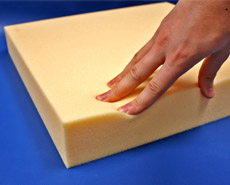
Hollywood Bed Frame
A Hollywood-style bed frame is a minimalist metal bed frame designed to support a mattress and box spring without the need for a headboard or footboard. Originating in the mid-20th century, these frames became popular for their simplicity, affordability, and ease of assembly.
Key Features:
- Minimalist Design: Typically constructed from metal rails, Hollywood-style frames offer a straightforward look that complements various bedroom aesthetics.
- Versatility: Many models are adjustable to accommodate different mattress sizes, such as twin, full, queen, or king.
- Ease of Assembly: Designed for quick setup, these frames often require minimal tools and effort to assemble.
- Affordability: Due to their simple construction, Hollywood-style bed frames are generally more budget-friendly compared to more elaborate bed frames.
Hybrid Mattress
A hybrid mattress is designed to combine the best features of multiple mattress types, typically integrating both foam layers (like memory foam, latex, or polyurethane foam) and innerspring coils. The goal of a hybrid mattress is to offer the comfort and pressure relief of foam while retaining the support and responsiveness of traditional innerspring systems. In recent years, hybrid mattresses have become a popular choice in the market due to their broad appeal, often marketed as providing a “best of both worlds” sleep experience.
Composition:
A typical hybrid mattress includes:
- Comfort Layer: Usually made of memory foam, latex, or gel-infused foam, designed to provide pressure relief, contouring, and comfort.
- Transition Layer: Often a firmer foam or latex layer that acts as a buffer between the softer comfort layers and the coil support system, adding durability and responsiveness.
- Support Core: Features pocketed coils or innerspring coils, which provide the mattress with support, bounce, and improved airflow for temperature regulation.
- Base Layer: A dense foam layer at the bottom for added stability and support.
Marketing Aspect:
The term “hybrid” has become a powerful marketing tool in the mattress industry, emphasizing versatility, advanced technology, and a tailored sleep experience. Here’s how the term is often used:
- Appeal to Indecisive Shoppers: By blending elements of different mattress types, the hybrid label targets consumers who are unsure whether they prefer the feel of foam or innerspring mattresses. It presents the mattress as a compromise, reducing the risk of dissatisfaction.
- Premium Positioning: Hybrids are often positioned as premium products, combining high-quality materials (e.g., gel-infused memory foam, natural latex) and sophisticated coil systems. This allows retailers to justify higher price points and market them as advanced, luxury options.
- Technological Innovation: Brands frequently use the term “hybrid” to convey innovation, emphasizing the use of modern materials and cutting-edge construction techniques. Marketing often highlights enhanced cooling features, motion isolation, and superior edge support.
- Buzzword Appeal: The word “hybrid” has a positive connotation across industries (e.g., hybrid cars), implying efficiency, progress, and a blend of the best features. This makes it an attractive, buzzworthy term in mattress marketing.
Benefits and Drawbacks:
Benefits:
- Enhanced Comfort: Offers the pressure relief of foam combined with the support of coils.
- Cooling Properties: The coil system promotes airflow, reducing heat retention common with all-foam mattresses.
- Durable Support: The innerspring layer provides a longer-lasting support core, minimizing sagging over time.
- Reduced Motion Transfer: Individually pocketed coils and foam layers often work together to limit motion transfer, making it suitable for couples.
Drawbacks:
- Higher Price Point: Often more expensive than traditional innerspring or foam-only mattresses due to the combination of multiple materials.
- Inconsistent Feel: The term “hybrid” can vary widely between brands, leading to inconsistencies in what customers actually experience. One hybrid may feel very different from another based on the materials used.
- Heavier Weight: The combination of foam layers and a coil system usually results in a heavier mattress, making it more difficult to move.
In summary, the hybrid mattress has carved out a significant niche in the industry by appealing to a broad range of sleepers, effectively bridging the gap between foam and innerspring preferences. However, its marketing versatility can sometimes create confusion, as the specific feel and features of a hybrid can differ dramatically between brands and models.
Hyopallergenic
Hypoallergenic refers to products or materials specifically designed to minimize the risk of causing allergic reactions. Hypoallergenic items are crafted to reduce or eliminate common allergens, such as dust mites, mold, pet dander, and pollen, making them suitable for people with allergies or sensitivities.
In bedding and household products, hypoallergenic materials often include:
- Synthetic Fabrics: Polyester, microfiber, and other synthetics are less likely to harbor dust mites and are easier to wash, reducing allergen buildup.
- Natural Fibers: Materials like bamboo, natural latex, and organic cotton can also be hypoallergenic. These fibers are naturally resistant to allergens and often free from harsh chemicals that can trigger sensitivities.
- Protective Covers: Hypoallergenic bedding may come with tightly woven or anti-microbial covers that create a barrier against dust mites and other allergens.
Hypoallergenic products are commonly found in bedding, skincare, and cleaning products. Regular maintenance, such as washing and using protective covers, further enhances their allergen-resistant properties, helping create a cleaner, healthier environment for those prone to allergies.
Hypersomnia
Hypersomnia is a sleep disorder characterized by excessive daytime sleepiness (EDS) or prolonged nighttime sleep that is not restorative. People with hypersomnia often struggle to stay awake during the day, experiencing persistent drowsiness that interferes with daily activities, even if they get a full night’s sleep. Hypersomnia can significantly affect cognitive function, mood, and overall quality of life, as the constant urge to sleep impacts work, social activities, and personal well-being.
Hypnagogia
Hypnagogia refers to the transitional state of consciousness between wakefulness and sleep, occurring as the brain begins to shift from full alertness to a light sleep phase. This period is marked by a unique blend of wakeful awareness and dream-like experiences, often involving vivid visual or auditory hallucinations, strange sensations, and a fluid, dream-like thought process. Hypnagogia is sometimes called the hypnagogic state, and it can offer a glimpse into the creative and subconscious workings of the mind.
Characteristics of Hypnagogia:
- Hallucinations: Hypnagogic hallucinations are sensory experiences that occur without external stimuli, often involving vivid images, shapes, or colors. Common types include:
- Visual hallucinations: Flashing lights, geometric patterns, or brief, dream-like images of faces, landscapes, or objects.
- Auditory hallucinations: Hearing faint sounds, like voices, music, or knocking, that seem real but have no external source.
- Tactile sensations: Feelings of floating, falling, or tingling, often accompanied by a sensation of weightlessness or movement.
- Hypnic Jerks: Also known as sleep starts, these are sudden, involuntary muscle twitches or jolts that often coincide with the sensation of falling during the hypnagogic state. Hypnic jerks can wake the person briefly and are more common during periods of stress or sleep deprivation.
- Altered Thought Patterns: During hypnagogia, the mind may generate fragmented, free-associative thoughts, blending elements of reality with imaginative, dream-like content. This altered cognition can include bizarre or nonsensical ideas that feel logical in the moment.
- Lucidity: Unlike in typical dreaming, people often retain a degree of awareness during hypnagogia, allowing them to observe and even influence their experiences consciously. This lucidity can lead to hypnagogic dreaming, where the dreamer recognizes that they are not fully asleep.
Hypnic Jerk
A hypnic jerk, also known as a sleep start, is a sudden, involuntary muscle spasm that occurs as a person is transitioning from wakefulness to sleep. It often feels like a jolt or a sensation of falling, and can be intense enough to wake the person momentarily. Hypnic jerks are a common phenomenon, experienced by about 60-70% of people at some point, and are generally harmless, though they can be startling or disruptive, especially if they happen frequently.
Characteristics of Hypnic Jerks:
- Sudden and brief: The jerk is a rapid, involuntary movement, typically lasting only a few seconds.
- Localized or full-body: It can involve just one muscle, such as a leg or arm twitch, or it can be a full-body spasm.
- Sensation of falling: Many people experience a fleeting sensation of falling or losing their balance, which may be accompanied by a vivid visual or auditory hallucination, such as a loud snap or flash of light.
- Awareness: Hypnic jerks can be strong enough to wake the person briefly, leading to a moment of confusion or disorientation before realizing what happened.
- More common during sleep onset: Hypnic jerks occur during the transition from wakefulness to Stage 1 of NREM sleep, when the body is relaxing and brain activity is slowing down.
Possible Causes of Hypnic Jerks: The exact cause of hypnic jerks is not fully understood, but several theories and contributing factors have been proposed:
- Relaxation of Muscles:
- As the body prepares to enter sleep, the muscles naturally begin to relax and lose tension. The brain might misinterpret this sudden relaxation as a sign that the body is falling, triggering a reflexive muscle contraction to “catch” oneself.
- Evolutionary Reflex:
- Some researchers believe that hypnic jerks may be an ancient survival mechanism. In early humans, this reflex could have helped protect against falling from trees or other elevated sleeping spots by causing the body to react quickly to a perceived loss of balance.
- Stress and Anxiety:
- High levels of stress and anxiety can increase the frequency and intensity of hypnic jerks. An overactive nervous system may struggle to fully relax, leading to a heightened sensitivity during the transition to sleep.
- Sleep Deprivation:
- Lack of sleep or irregular sleep schedules can increase the likelihood of experiencing hypnic jerks. Sleep-deprived individuals often fall into deeper sleep stages more quickly, which may contribute to the abrupt muscle contractions.
- Stimulant Use:
- Consuming caffeine, nicotine, or other stimulants close to bedtime can interfere with the body’s natural relaxation process, making hypnic jerks more likely to occur.
- Physical Fatigue:
- Excessive physical activity, particularly involving intense exercise or strenuous muscle use, can lead to increased muscle tension at bedtime, contributing to hypnic jerks as the body transitions into sleep.
Impact of Hypnic Jerks: For most people, hypnic jerks are a benign and occasional occurrence. However, they can become problematic if they happen frequently or disrupt the process of falling asleep. In severe cases, hypnic jerks may lead to sleep-onset insomnia, as the person becomes anxious about the possibility of being startled awake repeatedly.
Hypoallergenic Mattress Foam
Hypoallergenic mattress foam is designed to resist common allergens like dust mites, mold, and mildew, making it a suitable option for people with allergies or sensitivities. Hypoallergenic foams are often crafted from materials that discourage allergen buildup, creating a healthier and cleaner sleep environment.
Types and characteristics of hypoallergenic mattress foams include:
- Memory Foam: Dense memory foam is naturally resistant to dust mites and other allergens due to its tightly packed structure, which makes it harder for allergens to settle within the material. Many memory foam options are treated or infused with anti-microbial agents to further reduce allergen presence.
- Latex Foam: Natural latex is inherently hypoallergenic and resistant to dust mites, mold, and mildew. Additionally, latex is breathable, helping to reduce moisture buildup that can attract allergens. Natural latex is also less likely to contain harmful chemicals, making it ideal for those with chemical sensitivities.
- Gel-Infused and Open-Cell Foams: Gel or open-cell memory foams improve airflow within the mattress, which helps maintain a dry environment less conducive to mold or mildew.
Hypoallergenic mattress foams are a good choice for those with allergies, as they offer a combination of comfort, support, and allergen resistance. Pairing these foams with washable covers or encasements can further enhance the hypoallergenic properties, promoting a cleaner, healthier sleep surface.
Hypoallergenic Pillow
A pillow made from materials that reduce the risk of allergic reactions, often synthetic fills or treated fabrics.
I
Individually Wrapped Coils
Individually wrapped coils are a type of innerspring coil used in mattresses, where each coil is encased in its own fabric pocket, allowing it to move independently from the others. This design is commonly found in pocketed coil systems and is known for offering superior motion isolation, contouring support, and customized pressure relief.
Characteristics of Individually Wrapped Coils:
- Fabric Encapsulation: Each coil is wrapped in a fabric pocket, which helps reduce friction between the coils, allowing them to act independently.
- Independent Movement: The ability for each coil to move independently helps the mattress adjust to the body’s shape, providing targeted support where it’s needed, such as in the hips, shoulders, and lower back.
- Enhanced Motion Isolation: Because the coils operate independently, motion transfer is minimized. This means that movement on one side of the mattress is less likely to disturb the other side, making it ideal for couples.
Inflatable Mattress
A mattress that can be filled with air, typically used for temporary or guest bedding.
Initial Comfort Layer
The initial comfort layer refers to the topmost layer of a mattress that provides the first level of softness and cushioning. It is designed to offer immediate comfort when lying down by relieving pressure points and improving the initial feel of the mattress. Common materials used in this layer include memory foam, polyfoam, latex, or quilted fabrics. The primary purpose of the initial comfort layer is to create a more pleasant sleep experience by providing a soft surface while the deeper support layers offer structure and support.
Innerspring Mattress
An innerspring mattress is a type of mattress that uses a core of metal coils or springs to provide support, making it one of the most traditional and widely used mattress designs. The coil system serves as the foundation, while layers of padding or foam are added on top for comfort.
Key Characteristics of Innerspring Mattresses:
- Responsive Support: The coil structure provides a bouncy, responsive feel, allowing sleepers to move and shift positions easily. This feature appeals to those who dislike the “sink-in” feeling of foam mattresses.
- Variety of Coil Types: Innerspring mattresses may use different coil systems, such as Bonnell coils, pocketed coils, or continuous coils, each affecting support, durability, and motion isolation. Pocketed coils, for example, are individually wrapped to reduce motion transfer, which is helpful for couples.
- Breathability: The open coil system allows for airflow within the mattress, helping to dissipate heat and regulate temperature. This breathability makes innerspring mattresses popular with hot sleepers.
Innerspring mattresses are available in a range of firmness levels, from plush to extra firm, making them versatile for different sleep preferences. Although newer mattress types like hybrids and memory foam have gained popularity, innerspring mattresses remain a solid choice for those who prioritize support, breathability, and a traditional, responsive feel.
Insomnia
Insomnia is a sleep disorder characterized by persistent difficulty in falling asleep, staying asleep, or achieving restful, restorative sleep. It is one of the most common sleep disorders, affecting people of all ages and often leading to impaired daytime functioning, mood disturbances, and a decreased quality of life. Insomnia can be acute (short-term) or chronic (long-term), depending on the frequency and duration of symptoms.
Types of Insomnia:
- Acute Insomnia:
- Also known as short-term insomnia, this form typically lasts a few days to a few weeks and is often triggered by temporary stressors, such as a major life event, illness, or changes in sleep environment (e.g., travel or jet lag).
- Acute insomnia usually resolves on its own once the stressor is removed or the body adjusts to the new circumstances.
- Chronic Insomnia:
- Chronic insomnia persists for three or more nights per week, lasting at least three months or longer. It is often linked to underlying health conditions, ongoing stress, poor sleep habits, or mental health issues.
- Chronic insomnia can become a self-perpetuating cycle, where worry and anxiety about sleep make it even harder to fall asleep or stay asleep.
- Onset Insomnia:
- Difficulty initiating sleep at the beginning of the night. People with onset insomnia may lie awake for extended periods before finally falling asleep, often due to racing thoughts, anxiety, or an inability to relax.
- Maintenance Insomnia:
- Difficulty staying asleep throughout the night. Individuals may wake up frequently or have trouble falling back asleep after an awakening. Maintenance insomnia is often associated with age, medical conditions, or sleep disorders like sleep apnea.
- Early-Morning Awakening Insomnia:
- Waking up much earlier than desired, with an inability to fall back asleep. This type of insomnia is often linked to depression or mood disorders.
Common Causes of Insomnia:
- Stress and Anxiety:
- Worries about work, relationships, finances, or health can trigger the body’s stress response, increasing arousal and making it difficult to relax into sleep.
- Mental Health Conditions:
- Anxiety disorders, depression, and PTSD are frequently associated with chronic insomnia. Racing thoughts, intrusive memories, or emotional distress can interfere with sleep.
- Poor Sleep Hygiene:
- Irregular sleep schedules, excessive screen time before bed, consuming caffeine or alcohol late in the day, and engaging in stimulating activities close to bedtime can all contribute to insomnia.
- Medical Conditions:
- Chronic pain (e.g., from arthritis, fibromyalgia), gastrointestinal issues (e.g., gastroesophageal reflux disease), and hormonal changes (e.g., menopause) can disrupt sleep.
- Neurological disorders like Parkinson’s disease or Alzheimer’s disease may also interfere with sleep regulation.
- Sleep Disorders:
- Conditions like sleep apnea, restless leg syndrome (RLS), and periodic limb movement disorder (PLMD) can fragment sleep, leading to symptoms of insomnia.
- Medications:
- Certain medications, such as antidepressants, beta-blockers, corticosteroids, and stimulants, can interfere with sleep as a side effect.
- Circadian Rhythm Disruptions:
- Shift work, jet lag, or irregular sleep schedules can disrupt the body’s internal clock, making it difficult to fall asleep or wake up at the desired times.
Instant Cooling Cover
An instant cooling cover is a mattress or pillow cover designed with special temperature-regulating fabrics or treatments that provide a cooling effect upon contact. These covers often incorporate materials like polyester blends, bamboo, or phase-change materials (PCMs) that actively absorb heat from the body, helping to keep the sleeping surface cooler. The cover typically offers immediate relief for hot sleepers, creating a comfortable sleep environment by reducing heat buildup and promoting better airflow.
Integrated Pillow Top
An integrated pillowtop is a type of mattress design where an additional layer of padding is sewn directly into the top of the mattress, rather than being attached as a separate piece. This creates a plush, cushioned feel without the visible gap seen in traditional pillow tops. The integrated construction offers a more seamless, uniform look and prevents shifting or bunching of the pillowtop layer over time.
Characteristics of an Integrated Pillowtop:
- Added Comfort Layer: The built-in cushioning layer provides extra softness and contouring, enhancing pressure relief for areas like shoulders and hips.
- Uniform Surface: Unlike traditional pillow tops that may have a separate, slightly raised section, an integrated pillowtop lies flush with the edges of the mattress, creating a smooth, streamlined appearance.
- Enhanced Durability: The integrated design helps keep the top layer securely in place, reducing wear and movement that can occur with detachable pillow tops.
Integrated pillowtops are popular in luxury mattresses, combining the plushness of a pillowtop with a cohesive look and feel that remains stable over time. This style is ideal for sleepers seeking a soft, cushioned surface without sacrificing support or durability.
Interlock Knit
Interlock knit is a type of double-knit fabric made by interweaving two layers of stitches, creating a smooth, durable, and slightly stretchy material. Unlike single-knit fabrics like jersey, which have a distinct right and wrong side, interlock knit is reversible, with the same smooth texture on both sides. The fabric is tightly knitted, giving it more structure, resilience, and thickness compared to single-knit fabrics.
Characteristics of Interlock Knit:
- Softness and Comfort: Interlock knit has a soft, smooth surface that feels comfortable against the skin, making it a popular choice for clothing and bedding.
- Stretch and Recovery: The interlocking stitches allow for some stretch, similar to ribbed fabrics, but with a more stable and less elastic feel, which helps garments hold their shape well.
- Durability: The double-knit construction makes interlock knit more durable and less prone to pilling than many single-knit fabrics.
Interlock knit fabric is commonly used in t-shirts, dresses, activewear, and bedding, where its blend of softness, structure, and durability enhances comfort and longevity.
IsoCool® Technology
IsoCool® technology refers to a range of bedding products designed to regulate body temperature during sleep. These products incorporate Outlast® Adaptive Comfort® material, which contains microscopic Phase Change Material (PCM) beads. These beads absorb excess heat when the body is too warm and release it when the body is too cool, maintaining a more consistent and comfortable sleeping temperature.
IsoCool® products include:
- Pillows: Available in various shapes and sizes, such as traditional, contour, and side sleeper designs, featuring memory foam or polyester fills.
- Mattress Pads and Toppers: Designed to enhance existing mattresses by providing additional comfort and temperature regulation.
By incorporating IsoCool® technology, these bedding products aim to improve sleep quality by maintaining an optimal sleeping temperature throughout the night.
IsoGuard® Technology
Italian linen refers to high-quality linen fabric that is woven, finished, and crafted in Italy, a country renowned for its long history of textile production. Linen, made from the fibers of the flax plant, is known for its breathability, durability, and natural texture. Italian linen is highly regarded for its luxurious feel, elegant appearance, and the meticulous craftsmanship involved in its production.
Characteristics of Italian Linen:
- Premium Quality: Italian linen is considered some of the finest available, often sourced from top flax-growing regions in Europe.
- Natural and Breathable: Linen is naturally breathable, moisture-wicking, and lightweight, making it ideal for bedding and clothing in warmer climates.
- Soft and Strong: Over time, linen becomes softer with use, while retaining its inherent durability and strength.
- Classic Aesthetic: The fabric has a slightly textured, rustic appearance, which is highly valued for its natural look and feel.
J
Jasmine Infusion
Jasmine infusion in bedding or sleep products refers to the inclusion of jasmine extracts or oils, often infused into mattress foams, pillows, or pillow sprays. Jasmine, a fragrant flower with a calming aroma, is valued for its soothing properties and is believed to promote relaxation and improve sleep quality. Jasmine-infused bedding aims to create a more calming sleep environment by releasing a subtle, pleasant scent.
Benefits of Jasmine Infusion:
- Aromatherapy for Relaxation: Jasmine has long been used in aromatherapy to help reduce anxiety and stress, making it a natural choice for enhancing relaxation at bedtime.
- Potential Sleep Aid: The calming scent of jasmine may help improve sleep quality by promoting a sense of calm, which can make it easier to fall asleep.
- Refreshing Sleep Environment: Infused bedding products offer a gentle fragrance that can help refresh the sleep environment without the need for additional sprays or scented candles.
Jasmine infusion is most commonly found in pillows, mattress toppers, and sleep sprays. It’s ideal for those who appreciate subtle aromatherapy benefits as part of their bedtime routine, adding a touch of tranquility to the sleep experience.
Jersey Knit Sheets
Jersey knit sheets are made from jersey knit fabric, which is a type of stretchy, soft fabric typically made from cotton, polyester, or a cotton-polyester blend. The fabric is produced using a knitting technique, which gives it a soft, flexible, and breathable texture similar to a t-shirt material.
Characteristics of Jersey Knit Sheets:
- Soft and Stretchy: The knit construction gives these sheets a comfortable, soft feel with a bit of stretch, making them cozy and easy to move around in.
- Breathable: Jersey knit is generally breathable and moisture-wicking, helping to regulate body temperature during sleep.
- Durable: Despite their soft texture, jersey knit sheets are durable and resistant to pilling.
- Casual Look: The fabric has a more relaxed, casual appearance compared to traditional woven cotton sheets, with a slightly stretchy fit.
Benefits:
- Comfortable: The softness of jersey knit sheets provides a cozy feel, making them ideal for those seeking comfort similar to a favorite t-shirt.
- Easy Care: Jersey knit sheets are often machine washable and generally don’t require ironing, making them low-maintenance.
- Affordable: They tend to be more budget-friendly compared to higher-end woven cotton sheets.
Considerations:
- Heat Retention: While generally breathable, jersey knit sheets may trap more heat compared to other fabrics like linen or sateen, making them better suited for cooler environments or sleepers who prefer warmth.
- Less Crisp: The stretchiness of the fabric means these sheets won’t have the crisp, smooth feel that comes with traditional cotton or percale sheets.
Jet Lag
Jet lag, also known as desynchronosis or circadian dysrhythmia, is a temporary sleep disorder that occurs when a person’s internal biological clock (circadian rhythm) is misaligned with the new time zone they have traveled to. It is caused by rapid travel across multiple time zones, which disrupts the body’s natural sleep-wake cycle, making it difficult to adjust to the local time. Jet lag can lead to symptoms like sleep disturbances, daytime fatigue, and impaired cognitive and physical performance.
Causes of Jet Lag: Jet lag primarily results from the misalignment between the body’s circadian rhythm and the external cues (zeitgebers) of the new time zone, such as the local light-dark cycle. The body’s internal clock is regulated by the suprachiasmatic nucleus (SCN) in the hypothalamus, which relies on environmental signals like daylight to maintain a 24-hour cycle. When you travel quickly across time zones, the SCN has not yet adjusted to the new schedule, causing a mismatch between internal signals and the external environment.
Factors Affecting Jet Lag Severity:
- Number of Time Zones Crossed: The more time zones crossed, the greater the disruption to the circadian rhythm. Typically, jet lag becomes noticeable after crossing three or more time zones.
- Direction of Travel:
- Eastward Travel (e.g., New York to London) is generally more difficult to adjust to because it involves “losing time,” requiring the body to fall asleep and wake up earlier than it is accustomed to.
- Westward Travel (e.g., Los Angeles to Tokyo) is usually easier to adapt to because it involves “gaining time,” allowing the body to go to bed and wake up later, which aligns more naturally with the body’s preference for a longer circadian rhythm.
- Individual Differences: Factors such as age, sleep habits, and chronotype (morning person vs. night owl) can influence how quickly a person adapts to a new time zone. Younger individuals and those with a flexible sleep schedule often recover faster than older adults or those with rigid sleep patterns.
- Sleep Quality Before Travel: Poor sleep quality or sleep deprivation before traveling can exacerbate the effects of jet lag, making it more difficult for the body to adjust.
Symptoms of Jet Lag:
- Sleep disturbances: Difficulty falling asleep at night, waking up too early, or experiencing fragmented sleep. People may feel tired during the day but unable to sleep at night.
- Daytime fatigue: Persistent drowsiness, low energy, and a lack of motivation throughout the day, even after getting some sleep.
- Cognitive impairment: Difficulty concentrating, memory issues, and slower reaction times, which can impact work performance and decision-making.
- Digestive problems: Changes in appetite, bloating, or gastrointestinal discomfort, as the body’s digestive system adjusts to a new eating schedule.
- Mood changes: Irritability, anxiety, or feelings of being overwhelmed, often due to disrupted sleep and fatigue.
Managing and Minimizing Jet Lag:
- Adjust Your Schedule Before Travel:
- Gradually shift your sleep and wake times closer to the new time zone a few days before departure. For eastward travel, go to bed and wake up earlier; for westward travel, stay up later and wake up later.
- Seek Natural Light Exposure:
- Exposure to natural light is one of the most effective ways to reset your internal clock. Get plenty of morning sunlight when traveling eastward to help advance your circadian rhythm. For westward travel, seek evening light exposure to delay your internal clock.
- Stay Hydrated:
- Dehydration can exacerbate symptoms of jet lag. Drink plenty of water before, during, and after the flight, and avoid excessive caffeine and alcohol, which can disrupt sleep and worsen dehydration.
- Short Naps Can Help:
- Taking a short nap (20-30 minutes) can alleviate some of the immediate drowsiness after arrival but avoid long naps, as they may interfere with your ability to sleep at night.
- Consider Melatonin Supplements:
- Melatonin is a hormone that helps regulate the sleep-wake cycle. Taking a melatonin supplement at your new bedtime may help signal to your body that it is time to sleep, particularly for eastward travel. Consult a healthcare provider before use, as the timing and dosage can vary.
Jet Lag Recovery:
- The body generally adjusts to a new time zone at a rate of one time zone per day, though this can vary based on individual factors and the direction of travel. Westward travel tends to be easier to adapt to, taking about 2-3 days, while eastward travel may take 3-5 days or longer for full adjustment.
- Some have recommended taking off your shoes and curling your toes on a hotel carpet. Not recommended if you’re a cop from New York, visiting your wife at Nakatomi Plaza for their Christmas Party.
Jumbo Pillow
K
Knitted Fabric
Knitted fabric is a textile made by interlocking loops of yarn to create a flexible, stretchy material. Unlike woven fabric, which is created by weaving yarns in a criss-cross pattern, knitted fabric forms loops that provide natural elasticity, allowing it to stretch and recover easily. Knitted fabrics are soft, breathable, and often more comfortable for close-fitting clothing due to their flexibility and gentle drape.
Types of Knitted Fabric:
- Weft Knit: This is the most common type of knit, including fabrics like jersey and rib knit. Weft knits stretch in both directions and are often used for t-shirts, sweaters, and other casual wear.
- Warp Knit: Less common than weft knits, warp knits are made by looping yarn vertically. This technique creates stable, less stretchy fabrics like tricot and lace, often used in lingerie, sportswear, and certain home textiles.
Characteristics of Knitted Fabric:
- Stretch and Comfort: Knitted fabrics naturally conform to the body, making them ideal for comfortable, fitted garments.
- Breathability: The open structure of knit fabrics allows for airflow, keeping the fabric breathable and comfortable in warmer conditions.
- Versatility: Knitted fabrics come in a range of weights, textures, and finishes, allowing for diverse uses from soft baby clothes to durable upholstery.
Knitted fabrics are widely used in fashion, activewear, bedding, and upholstery, appreciated for their comfort, flexibility, and ability to maintain shape over time.
Kappa Waves
Kappa waves are a less commonly discussed type of brain wave that are sometimes observed in electroencephalogram (EEG) readings during the transition from wakefulness to light sleep. Unlike well-known brain wave types like delta, theta, or alpha waves, kappa waves are not consistently recognized or classified in standard sleep staging systems, but they may appear in certain contexts, particularly in studies examining cognitive and memory processes during early stages of sleep.
Characteristics of Kappa Waves:
- Frequency: Kappa waves typically occur in the 8-12 Hz range, similar to the frequency of alpha waves. However, they are distinguished from alpha waves based on their location and specific conditions of appearance.
- Location: Kappa waves are generally recorded over the temporal lobes of the brain, rather than the occipital regions where alpha waves are usually dominant.
- Associated State: These waves are often seen during quiet wakefulness or drowsiness, especially when the person is engaging in internal thought processes, such as recalling memories or daydreaming.
Katathrenia (Sleep-Related Groaning)
Katathrenia, commonly referred to as sleep-related groaning, is a rare sleep disorder characterized by prolonged groaning sounds during exhalation, typically occurring during REM sleep or deep stages of non-REM (NREM) sleep. Unlike snoring, which happens during inhalation, katathrenia involves audible, low-pitched moaning or groaning noises made while the person exhales. The condition is considered a type of parasomnia, which refers to abnormal behaviors or experiences occurring during sleep.
Kevlar Enhanced Upholstery
Kevlar-enhanced upholstery uses Kevlar—a strong, heat-resistant synthetic fiber known for its durability and fire resistance—in furniture and mattress construction to improve safety and longevity. Kevlar is often woven into the fabric or used in the threading of upholstery to create a highly resilient surface that resists wear, tearing, and, importantly, provides additional fire resistance.
In mattress manufacturing, Kevlar-enhanced threading is commonly used to help meet CFR 1633 fire safety standards in the United States, which require mattresses to resist ignition and delay the spread of fire. Kevlar’s natural flame-resistant properties allow it to withstand high temperatures, reducing the risk of combustion and providing an added layer of fire protection.
Kevlar-enhanced upholstery is ideal for both residential and commercial environments, offering the dual benefits of increased durability and enhanced safety in compliance with regulatory fire standards.
King Size
A king size mattress is one of the largest mattress sizes, offering an expansive sleeping area for couples or individuals who require extra room. The standard king typically measures 76 inches wide by 80 inches long, while the California king, a variation, measures 72 inches wide by 84 inches long, providing additional length for taller individuals.
History and Development:
The king-size mattress as we know it today evolved from the early days of mattress production, when larger sizes were introduced to accommodate the growing demand for more spacious sleeping arrangements. The standard king size became popular in the United States during the 1950s and 1960s, with advancements in manufacturing techniques allowing for larger beds to be made more easily and affordably. Prior to this, mattresses were typically smaller, and even the queen size was considered large.
The California king was introduced later to cater to taller sleepers, offering additional length at the cost of width. This size became especially popular in regions like California, where spacious living was a trend, and has remained a prominent option for people seeking extra room.
Characteristics:
- Spaciousness: A king size mattress provides a significant sleeping surface, ideal for those who toss and turn during the night or for couples who want more personal space while sleeping.
- Room Requirements: Due to its size, a king-size mattress requires a larger bedroom, typically a room of at least 12 feet by 12 feet. This allows for the mattress to fit comfortably while still providing space to move around.
- Varieties:
- Standard King: The standard size, providing a balanced amount of width and length.
- California King: A longer version, great for taller sleepers, but slightly narrower, which may be less ideal for couples who need more width.
Benefits:
- Comfort: A king-size mattress provides ample space, allowing individuals or couples to sleep comfortably without feeling cramped. It is especially beneficial for those who share the bed with pets or children.
- Luxury: King-size mattresses are often seen as a luxury option, offering a premium sleeping experience due to their size and comfort level.
- Versatility: Available in various materials and constructions, such as innerspring, memory foam, and hybrids, providing options for different sleep preferences.
In summary, the king-size mattress is an ideal choice for those looking for a spacious, luxurious sleeping surface. It has evolved over the years to meet the needs of those desiring more space, and it remains a popular option for modern homes, offering comfort and room to move during sleep.
Knee Bolster Pillow
A pillow placed under the knees to relieve pressure and support the lower back.
L
Lapped Seams
Lapped seams are a type of seam where one layer of fabric overlaps another, rather than joining them edge-to-edge. This creates a strong, flat seam with a clean finish, often used in bedding, upholstery, and high-quality garments. Lapped seams are particularly beneficial in bedding, as they add durability and structure without creating bulk or uncomfortable ridges, making them ideal for items like duvet covers, pillowcases, and sheets.
Characteristics of Lapped Seams:
- Durability: The overlapping construction makes lapped seams more resistant to stress and wear, which is especially useful in items that are washed frequently, like bedding.
- Clean Finish: With fabric edges concealed, lapped seams have a polished look and feel, providing a professional, smooth appearance without exposed edges.
- Comfort: The flat, smooth nature of a lapped seam minimizes bulk, making it comfortable for bedding applications where seamless construction is important for a restful sleep surface.
Lapped seams are a hallmark of well-made bedding and can often be found in higher-end or luxury linens, offering both aesthetic and functional benefits.
Latex Blend Foam
Latex blend foam is a type of mattress foam made from a mixture of natural latex and synthetic latex or other synthetic materials. This combination allows manufacturers to create a foam that retains many of the benefits of natural latex, such as comfort, support, and durability, while also being more cost-effective and versatile.
Characteristics of Latex Blend Foam:
- Combination of Materials: It typically combines natural latex (derived from rubber trees) with synthetic latex (made from petrochemicals), creating a balanced foam that leverages the best qualities of both types.
- Supportive yet Resilient: Latex blend foam offers the supportive feel and bounce of latex, while being slightly more affordable than 100% natural latex.
- Breathability: Like natural latex, latex blend foam is often breathable, helping to regulate body temperature and promote a cooler sleep surface.
- Durable: Latex blend foam maintains the durability and longevity of latex, resisting sagging and indentations over time.
Benefits:
- Comfort and Support: Provides a firm yet cushioned feel, conforming to the body while still offering support, making it suitable for a variety of sleep positions.
- Affordability: Blending natural and synthetic latex helps reduce the cost compared to all-natural latex, making it an accessible option for those seeking latex-like benefits at a lower price.
- Durability: The foam is resistant to wear, retaining its shape and support over many years, similar to natural latex.
Considerations:
- Less Pure Feel: While it offers many of the advantages of latex, latex blend foam may not have the same level of purity or allergy-friendly qualities as 100% natural latex.
- Heat Retention: While it is generally breathable, the synthetic components of latex blend foam may not offer the same level of cooling as fully natural latex or other cooling materials like gel-infused foams.
Latex Foam
Latex foam is a type of mattress foam made from either natural latex (derived from the sap of the rubber tree) or synthetic latex (created from petrochemical compounds). Known for its resilience, durability, and comfort, latex foam is commonly used in mattresses, toppers, and other bedding products.
Characteristics of Latex Foam:
- Natural vs. Synthetic:
- Natural latex foam is made from the sap of the rubber tree, and it is often more eco-friendly and hypoallergenic.
- Synthetic latex foam is made from petrochemical products, offering similar characteristics but typically at a lower cost and with less environmental impact.
- Breathable: Latex foam is highly breathable, helping to regulate temperature and prevent heat buildup, which promotes a cooler sleep environment.
- Resilient: Known for its elasticity, latex foam quickly bounces back to its original shape after pressure is removed, providing consistent support throughout the night.
- Durable: Latex foam is highly durable and resistant to wear, often lasting longer than traditional memory foam or polyfoam.
Benefits:
- Pressure Relief: Latex foam conforms to the body’s natural curves, offering excellent pressure relief for areas like the shoulders, hips, and lower back.
- Motion Isolation: While not as effective as memory foam, latex foam still provides a degree of motion isolation, reducing disturbances from a partner’s movements.
- Hypoallergenic: Natural latex is resistant to dust mites, mold, and bacteria, making it a good option for allergy sufferers.
- Eco-Friendly (Natural Latex): When made from 100% natural latex, it is a sustainable and biodegradable material, appealing to environmentally-conscious consumers.
Considerations:
- Price: Latex foam, particularly natural latex, can be more expensive than other foam types, such as memory foam or polyfoam.
- Firmness: Latex foam can range from soft to firm, but some users may find it too resilient or bouncy compared to more contouring materials like memory foam.
- Weight: Latex foam can be heavier than other foam types, making it harder to move or adjust.
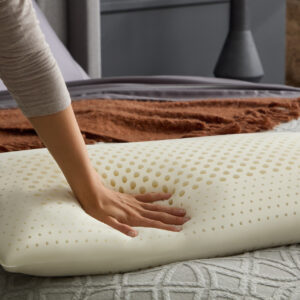
Latex Mattress Topper
A latex mattress topper is a layer of latex foam designed to be placed on top of an existing mattress, providing additional comfort, support, and pressure relief. Made from either natural latex (harvested from rubber trees) or synthetic latex, these toppers are popular for their durability, resilience, and breathability. Latex toppers are available in various thicknesses and firmness levels, allowing users to customize the feel of their bed, making it softer or firmer as needed.
Benefits:
- Pressure Relief: Latex conforms to the body’s shape, helping to alleviate pressure points, particularly for side sleepers.
- Breathability: Latex foam has an open-cell structure that allows for better airflow, reducing heat retention and promoting a cooler sleep surface.
- Durability: Latex is more resilient than other foam types, resisting sagging and maintaining its shape over time.
- Allergen Resistance: Natural latex is naturally resistant to dust mites, mold, and mildew, making it a good option for allergy sufferers.
Latex mattress toppers can help extend the lifespan of an older mattress or adjust the comfort level without the need to purchase a new bed. They are typically available in different types of latex, including Talalay (softer, more consistent) and Dunlop (firmer, denser), catering to various preferences.
Lattice Quilt
A lattice quilt is a type of quilt that features a grid or lattice-like pattern, often created by intersecting strips or sashing to form a repeating design of squares or diamonds. This style resembles a trellis or latticework, adding a structured and visually appealing texture to the quilt. The lattice pattern can be made with different colors or fabrics to create contrast and highlight the intersecting lines, giving the quilt a decorative yet timeless look.
Characteristics of a Lattice Quilt:
- Visual Structure: The lattice design provides an orderly, geometric appearance, making it a popular choice for those who enjoy symmetry and classic patterns.
- Textural Detail: By adding a grid pattern on top of other quilt blocks or within the quilt itself, the lattice effect enhances depth and visual interest.
- Versatility: Lattice quilts can vary in style, from traditional designs with solid colors to modern variations with bold, contrasting fabrics, making them adaptable to different aesthetics.
Lattice quilts are widely appreciated in both traditional and contemporary quilting for their balanced look and textured appeal, offering a cozy yet decorative addition to any bedroom or living space.
Lifespan Rating
A lifespan rating refers to an estimate of how long a mattress or bedding product is expected to last before it begins to show significant signs of wear, such as sagging, loss of support, or the breakdown of materials. The lifespan of a mattress can vary significantly based on several factors, including the type of materials used, the quality of construction, usage, and care.
Lift-Assist Base
An adjustable base with a motorized lift function for easy elevation.
Light Sleep
Light sleep refers to the early stages of non-REM (NREM) sleep, specifically Stage 1 and Stage 2. It makes up about 50-60% of a typical night’s sleep and serves as a transition from wakefulness to deeper, more restorative sleep stages.
Characteristics of Light Sleep:
- Stage 1 (NREM): This is the initial phase of sleep, lasting only a few minutes. The body begins to relax, heart rate and breathing slow, and brain activity shifts from wakeful beta waves to slower alpha and theta waves. It is easy to wake someone from this stage, and they may experience brief sensations like falling (hypnic jerks).
- Stage 2 (NREM): This stage is slightly deeper, lasting longer than Stage 1. Brain activity features sleep spindles (bursts of rapid activity) and K-complexes (sudden high-amplitude waves), which help protect the brain from waking up due to external stimuli.
Functions of Light Sleep:
- Transition Phase: Light sleep prepares the body for deeper sleep stages, helping it gradually slow down physiological functions.
- Memory Processing: Light sleep, particularly Stage 2, plays a role in consolidating memories and processing information learned during the day.
While light sleep is not as restorative as deep sleep or REM sleep, it is essential for the overall sleep cycle, facilitating the body’s progression into deeper, more restorative phases. It is also the stage where most sleep maintenance issues (frequent awakenings) tend to occur, impacting sleep quality.
Linen
Linen is a natural fabric made from the fibers of the flax plant. Known for its durability, breathability, and distinctive texture, linen is widely used in bedding, clothing, and home textiles. It has a slightly crisp feel initially, but softens with use and washing, making it comfortable and luxurious over time. Linen’s natural texture and drape give it a relaxed, effortlessly elegant appearance that suits a wide range of interior styles.
Characteristics of Linen:
- Breathability: Linen’s natural fibers allow for excellent airflow, making it highly breathable and ideal for warm climates or those who sleep hot.
- Moisture-Wicking: Linen quickly absorbs moisture and dries fast, helping keep sleepers cool and dry throughout the night.
- Durability: Stronger than cotton, linen is highly durable and often becomes softer and more comfortable with each wash, lasting for years with proper care.
- Slightly Textured Feel: Linen has a unique, slightly nubby texture that adds a tactile quality, giving it a natural, organic look and feel.
Linen bedding, including sheets, pillowcases, and duvet covers, is popular for its ability to keep cool in warm weather while adding a cozy layer in colder months. It’s a premium choice for those seeking both comfort and long-lasting quality in their bedding.
Key Features of Low VOC Bedding:
- Minimal Chemical Emissions: Low VOC bedding materials, such as organic cotton, natural latex, or bamboo, are manufactured to release fewer chemicals into the air, making them safer for indoor environments.
- Non-Toxic Processing: These bedding products are often processed without harsh chemicals, flame retardants, or finishes, further reducing emissions and supporting better air quality.
- Certifications: Many low VOC bedding products come with certifications like CertiPUR-US®, GREENGUARD, or OEKO-TEX® Standard 100, indicating that they meet specific standards for low chemical emissions and are safe for sensitive environments.
Low VOC bedding is ideal for individuals concerned about indoor air quality or those with allergies or chemical sensitivities, providing peace of mind and a safer, fresher sleep space.
Lining
Lining is an additional layer of fabric sewn to the inside of a garment, accessory, or home textile to provide structure, durability, and sometimes insulation. In bedding and upholstery, lining is often used to add thickness, stability, and a finished look to items like comforters, quilts, drapes, and cushion covers. The lining can also help protect the outer fabric from wear and enhance the overall quality of the piece.
Uses and Benefits of Lining in Textiles:
- Added Structure: Lining provides body and support, helping items like drapes or bedspreads hang evenly and hold their shape over time.
- Improved Durability: By adding an extra layer, lining protects the outer fabric from direct wear and tear, increasing the lifespan of the item.
- Enhanced Comfort and Warmth: In bedding, lining materials can provide additional warmth and a smoother, softer feel, making the product cozier and more comfortable.
- Concealing Seams: In products like cushion covers and comforters, lining hides seams and inner construction, giving the item a more polished, finished look.
Lining can be made from a variety of materials, from cotton and polyester to satin and flannel, chosen based on the specific function and desired qualities of the final product. It’s a thoughtful addition that elevates both the aesthetics and functionality of textile items.
Loft
Loft refers to the height, fluffiness, or thickness of a material, particularly in bedding items like pillows, comforters, and mattress toppers. Loft impacts both the warmth and comfort level of bedding, influencing how supportive or insulating an item feels. In general, a higher loft indicates a thicker, fluffier fill, while a lower loft suggests a thinner, flatter profile.
How Loft Affects Different Bedding Items:
- Pillows: Loft is an essential factor in pillows, as it affects neck and head alignment. High-loft pillows are thicker and provide more lift, ideal for side sleepers, while low-loft pillows are thinner and better for stomach sleepers who need less elevation.
- Comforters: The loft of a comforter reflects the amount of fill, affecting warmth. Higher loft comforters with more fill trap more air, providing greater insulation for colder climates. Lower loft comforters, being lighter, are suited to warmer weather.
- Mattress Toppers: A higher loft in a mattress topper adds cushioning and support, helping to soften a firm mattress. The loft can range from thin layers for minimal comfort enhancement to plush, thick layers for a luxurious, supportive feel.
Loft is often a personal preference based on sleeping style, climate, and desired comfort level, playing a key role in the performance and feel of bedding.
Low-Profile Boxspring
A low-profile boxspring is a thinner version of a traditional boxspring, typically ranging from 4.5 to 5.5 inches in height, compared to the standard boxspring, which can be 9 inches or more. It serves as a supportive base for the mattress, providing a solid and flat foundation while also helping to elevate the mattress off the floor.
Low VOC Bedding
Low VOC bedding refers to bedding products made with materials that emit minimal amounts of volatile organic compounds (VOCs). VOCs are chemicals that can be released from certain materials and manufacturing processes, sometimes contributing to indoor air pollution and potentially causing respiratory or allergic reactions in sensitive individuals. Low VOC bedding is designed to create a healthier sleep environment with improved air quality.
Key Features of Low VOC Bedding:
- Minimal Chemical Emissions: Low VOC bedding materials, such as organic cotton, natural latex, or bamboo, are manufactured to release fewer chemicals into the air, making them safer for indoor environments.
- Non-Toxic Processing: These bedding products are often processed without harsh chemicals, flame retardants, or finishes, further reducing emissions and supporting better air quality.
- Certifications: Many low VOC bedding products come with certifications like CertiPUR-US®, GREENGUARD, or OEKO-TEX® Standard 100, indicating that they meet specific standards for low chemical emissions and are safe for sensitive environments.
Low VOC bedding is ideal for individuals concerned about indoor air quality or those with allergies or chemical sensitivities, providing peace of mind and a safer, fresher sleep space.
Lucid Dreaming
Lucid dreaming is a phenomenon in which the dreamer becomes aware that they are dreaming while still asleep. During a lucid dream, the individual often gains some degree of control over the dream’s narrative, characters, and environment, allowing them to actively participate or alter the dream experience. Lucid dreams typically occur during the REM (Rapid Eye Movement) sleep stage, when brain activity is similar to wakefulness.
Characteristics of Lucid Dreaming:
- Awareness of Dreaming: The defining feature is the realization that the current experience is a dream, which sets it apart from normal dreaming.
- Control and Manipulation: Many lucid dreamers can change aspects of the dream, such as flying, exploring new environments, or interacting with dream characters. However, the degree of control can vary widely.
- Heightened Vividness: Lucid dreams are often described as being more vivid and immersive than regular dreams, with heightened sensory experiences.
How to Induce Lucid Dreaming:
- Reality Checks: Performing reality checks (e.g., trying to push a finger through the palm) throughout the day helps train the mind to question its reality, increasing the likelihood of becoming lucid in a dream.
- MILD Technique (Mnemonic Induction of Lucid Dreams): This involves setting an intention to remember that you are dreaming before falling asleep, often combined with repeating a phrase like, “I will realize I am dreaming.”
- Wake-Back-to-Bed (WBTB): Waking up after 4-6 hours of sleep, staying awake briefly, and then returning to bed increases the chance of entering REM sleep while still aware.
Lumbar Support
Lumbar support refers to the support provided to the lower back area, specifically the lumbar spine, which is the region of the spine located between the rib cage and the pelvis. In mattresses and adjustable bases, lumbar support is designed to help maintain the natural curve of the lower back and provide relief from pressure, reducing discomfort or pain.
Luxury Firm
Luxury firm is a mattress firmness level that strikes a balance between a firm and medium-firm feel. It provides a high level of support, with a firmer surface that still offers some comfort and cushioning. This firmness level is typically preferred by individuals who need support for proper spinal alignment but also want a slight softness for comfort, especially in the top comfort layers.
- Supportive: Luxury firm mattresses typically feature a solid, high-density core for strong support. This helps prevent sinking too deeply into the mattress while offering even weight distribution.
- Cushioned Comfort: While firm, the mattress usually has a comfort layer made of softer materials, like memory foam, latex, or quilted fabric, to provide some cushioning.
- Mid-Level Firmness: The firmness level lies between a medium-firm mattress, which offers a bit more give, and a true firm mattress, which provides minimal softness.
Benefits:
- Spinal Alignment: Offers enough firmness to maintain proper posture and alignment, particularly for back and stomach sleepers.
- Pressure Relief: The top comfort layer helps relieve pressure from areas like the hips and shoulders, especially for side sleepers who still need solid support.
- Durability: Luxury firm mattresses are often made with durable materials that are built to last, offering consistent support over time.
Considerations:
- Not Ideal for All Sleepers: Side sleepers, especially those who need more contouring for their shoulders and hips, may find luxury firm mattresses too firm and may prefer a softer model.
- Feel: The feel of luxury firm mattresses can vary depending on the materials used in the comfort layers, so testing different options is recommended.
In summary, a luxury firm mattress offers a balance of firm support and slight comfort, making it a popular choice for individuals seeking spinal support without sacrificing comfort. It is best for those who need a firmer sleep surface but prefer some softness to relieve pressure points.
Lycra
Lycra, also known as spandex or elastane, is a synthetic fiber known for its exceptional elasticity and durability. Originally developed by DuPont, Lycra is commonly blended with other fibers, such as cotton, polyester, or nylon, to create fabrics that stretch without losing shape. Its high elasticity and quick recovery make Lycra a popular choice in activewear, swimwear, and any clothing that requires flexibility and movement.
Key Qualities of Lycra:
- High Stretchability: Lycra can stretch up to five times its original length, making it ideal for form-fitting garments that require freedom of movement.
- Shape Retention: Unlike many other stretch fabrics, Lycra recovers well after stretching, allowing clothes to maintain their shape over time without sagging or becoming misshapen.
- Moisture-Wicking: Lycra’s synthetic properties enable it to wick away moisture, keeping the fabric dry and comfortable during activities. This makes it a common choice in athletic and performance wear.
- Comfort and Versatility: When blended with other fibers, Lycra adds comfort and flexibility without making the fabric feel heavy or constrictive.
Lycra is widely used in activewear, undergarments, swimwear, and even bedding items like fitted sheets. Its combination of comfort, stretch, and durability makes it invaluable for clothing and products that require a close fit and long-lasting elasticity.
Lyocell
Lyocell (TENCEL®) is a sustainable fabric made from wood pulp, typically sourced from eucalyptus, beech, or spruce trees. Produced by Lenzing AG under the brand name TENCEL®, lyocell is known for its eco-friendly production process and desirable qualities, such as softness, breathability, and moisture-wicking properties.
Key Qualities of Lyocell (TENCEL®):
- Eco-Friendly Production: The lyocell production process is closed-loop, meaning that nearly all water and solvents are recycled and reused, minimizing environmental impact. This makes it a more sustainable alternative to traditional fabrics like cotton or synthetic fibers.
- Soft and Smooth Texture: Lyocell has a silky, smooth texture that’s gentle on the skin, making it ideal for bedding, clothing, and towels.
- Moisture-Wicking and Breathable: The fibers in lyocell absorb and release moisture efficiently, keeping the fabric breathable and cool. This is especially beneficial in bedding, where it helps regulate temperature and reduce the buildup of moisture.
- Hypoallergenic: Its natural breathability and moisture control make lyocell resistant to bacteria and dust mites, contributing to a cleaner, hypoallergenic sleep environment.
Lyocell (TENCEL®) is widely used in bedding products, such as sheets, pillowcases, and mattress covers, as well as in apparel. Its combination of sustainability, comfort, and functionality makes it a popular choice for eco-conscious consumers seeking luxurious, high-performance fabrics.
M
Matelassé Fabric
Matelassé fabric is a luxurious, textured textile with a quilted or padded appearance, often used in bedding, upholstery, and decorative items. Originating from the French word matelasser, which means “to quilt” or “pad,” matelassé is woven with a raised pattern that gives it a dimensional, quilted look without the use of actual padding or batting. This effect is achieved through a complex weaving technique that creates a “puffed” design, often with floral, geometric, or lattice patterns.
Characteristics of Matelassé Fabric:
- Dimensional Texture: The raised design adds depth and texture, making it both visually appealing and soft to the touch, suitable for elegant bedspreads, coverlets, and throw pillows.
- Durable and Versatile: Matelassé fabric is typically made from cotton, cotton blends, or silk, giving it a soft yet durable structure that holds up well in high-use areas like bedding and upholstery.
- Classic, Elegant Look: The quilted effect brings a sophisticated, timeless aesthetic that complements both traditional and contemporary decor styles.
Matelassé is favored for its luxurious look and comfortable feel, often found in bedding like coverlets, shams, and bedspreads. Its thick, textured quality also makes it a practical choice for adding warmth and subtle elegance to any room.
Mattress
A mattress is a large, cushioned pad designed to support the body in a horizontal position, primarily used for sleeping or resting on a bed frame or platform. Mattresses are typically composed of multiple layers of materials that provide a combination of comfort, support, and pressure relief. The design, construction, and materials of a mattress significantly influence its feel, durability, and overall sleep quality.
Mattress Depth
Mattress depth, also known as mattress thickness or height, refers to the measurement from the bottom to the top of a mattress. Mattress depth varies widely, typically ranging from around 6 inches for a basic, low-profile mattress to over 16 inches for a luxury, high-profile mattress with multiple layers.
Common Mattress Depth Categories:
- Low Profile (5–8 inches): Low-profile mattresses are often used in cribs, trundles, and bunk beds. They are thinner and typically suited for shorter or occasional use, like in guest rooms.
- Standard Profile (9–12 inches): Standard depth works well for most sleepers, providing a balance of comfort and support. This range is common in all types of mattresses, including innerspring, memory foam, and hybrids.
- High Profile (13–16+ inches): High-profile mattresses are thicker and usually incorporate multiple layers for enhanced support, comfort, and durability. These are often chosen by those looking for a plush, luxurious feel or added height.
Factors Affecting Ideal Depth:
- Sleep Needs: Side sleepers and heavier individuals may benefit from a thicker mattress that provides more cushioning and support, while back or stomach sleepers might prefer a moderate depth for spinal alignment.
- Aesthetic and Bed Height: Mattress depth can affect the overall bed height, especially when combined with a box spring or platform. A thicker mattress can add a luxurious look, while a thinner one can keep the bed at a more accessible height.
Choosing the right mattress depth depends on personal preference, support needs, and the bed’s frame height, ensuring both comfort and a visually appealing sleep setup.
Mattress Encasement
A mattress encasement is a protective cover that fully encloses a mattress, safeguarding it from allergens, spills, bed bugs, dust mites, and general wear. Unlike a mattress protector, which usually only covers the top and sides, a mattress encasement wraps completely around the mattress, with a secure zipper to seal it shut. This 360-degree coverage provides comprehensive protection and can extend the life of the mattress.
Benefits of Mattress Encasements:
- Allergen Barrier: Mattress encasements create a barrier against dust mites, pet dander, and other allergens, helping to maintain a cleaner sleep environment, particularly important for people with allergies or asthma.
- Bed Bug Protection: Many mattress encasements are designed to be bed bug-proof, with a tightly woven fabric and secure zipper that prevent bed bugs from entering or escaping, making them valuable in areas where bed bug exposure is a risk.
- Waterproof Options: Some mattress encasements are waterproof, offering protection from spills, sweat, and stains, which can help keep the mattress fresh and odor-free.
- Increased Mattress Longevity: By shielding the mattress from external elements, an encasement reduces wear and tear, helping the mattress maintain its comfort and support over time.
Mattress encasements are a practical solution for those seeking full mattress protection, especially in homes with pets, allergy-prone individuals, or where bed bug prevention is a priority. Available in various materials and thicknesses, they cater to a wide range of comfort needs and mattress sizes.
Mattress Firmness Scale
The mattress firmness scale is a system used to categorize mattresses based on how soft or firm the sleeping surface feels. It typically ranges from 1 to 10, with 1 being the firmest (providing minimal cushioning and a very solid feel) and 10 being the softest (feeling like a plush surface that allows for deep sinkage). While the scale provides a general guideline, it’s important to note that firmness is subjective and varies based on individual preferences, body types, and sleep positions.
Common Firmness Levels:
- Extra Firm (1): Provides minimal softness, with almost no give. These are often chosen by individuals who prefer a completely firm, supportive surface with little to no contouring.
- Firm (2-3): Very little sinkage, offering strong support and excellent spinal alignment. Typically preferred by back and stomach sleepers, or those who like a very solid surface.
- Medium Firm (4-5): Offers a firmer surface with some cushioning, providing a good mix of support and comfort for back and stomach sleepers.
- Medium Soft (6-7): Provides a balance between support and cushioning, allowing sleepers to sink in slightly while still offering some level of support. Suitable for side and back sleepers.
- Soft (8-10): These mattresses allow for deep sinking and contouring, often favored by side sleepers who need more pressure relief at the hips and shoulders.
Subjectivity of the Firmness Scale:
- Body Type: Heavier individuals may experience a mattress as firmer because they exert more pressure on the surface, while lighter individuals may find the same mattress softer since they don’t sink in as much.
- Sleep Position: Side sleepers typically prefer softer mattresses for pressure relief at the hips and shoulders, while back and stomach sleepers often prefer firmer mattresses for spinal support.
- Personal Preference: The definition of comfort is highly personal, and what feels firm to one person may feel soft to another. There is no universal “comfort” test level, as factors like firmness preference, sleep quality, and body alignment differ greatly from one person to the next.
Conclusion:
The mattress firmness scale is a helpful tool for understanding the relative feel of a mattress, but it’s important to acknowledge the subjectivity of firmness. Since comfort and support needs vary between individuals, testing mattresses personally or considering specific preferences is the best way to determine the right firmness level for you.
Mattress Handles
Fabric handles sewn onto the sides of a mattress to assist with moving or rotating.
Mattress Life Span
Mattress lifespan refers to the duration a mattress can maintain comfort and support before it begins to sag, lose shape, or otherwise degrade. On average, a mattress lasts about 7 to 10 years, but this varies significantly based on factors like materials, usage, and quality.
Typical Lifespans by Mattress Type:
- Innerspring Mattresses: Generally last around 5–15 years. The lifespan of an innerspring mattress is influenced not only by the durability of the coils but also by the quality of the foam layers on top. Lower-quality foam can soften and degrade more quickly, leading to a reduction in comfort and creating body impressions over time. High-quality foam, on the other hand, can extend the mattress’s usable life by retaining its shape longer.
While the coils provide the main support and firmness, maintaining spinal alignment, the comfort and longevity of an innerspring mattress heavily depend on the quality of the foam. If both the springs and foam are well-constructed, the mattress can offer consistent comfort and support within its expected lifespan.
- Memory Foam Mattresses: About 8–10 years. High-density memory foam lasts longer and holds shape better than lower-density foam, though it may still develop body impressions.
- Latex Mattresses: About 10–15 years. Natural latex is particularly durable, often outlasting other types of mattresses. Synthetic latex tends to have a slightly shorter lifespan but is still durable.
- Hybrid Mattresses: About 7–10 years. Combining foam and coil layers, hybrids balance durability but can experience wear from both the coils and foam.
Factors Affecting Mattress Lifespan:
- Quality of Materials: Higher-quality foams, natural latex, and reinforced coil systems can extend a mattress’s life.
- Frequency and Type of Use: Mattresses used nightly wear out faster than those in guest rooms. Heavier sleepers may also experience more rapid wear.
- Maintenance: Rotating the mattress, using a mattress protector, and keeping it clean can help it last longer.
Replacing a mattress within its recommended lifespan is important to maintain comfort, support, and overall sleep quality. While a mattress may last a decade or more, evaluating it regularly for signs of wear—such as sagging, discomfort, or diminished support—helps ensure you’re getting the best sleep possible.
Mattress Pad
A mattress pad is a thin layer of material placed on top of a mattress to add a bit of extra cushioning and protect the mattress surface. Unlike mattress toppers, which are thicker and alter the feel of a mattress more significantly, mattress pads offer a lighter layer of comfort and are often designed with practical features like waterproofing or allergen resistance.
Functions of a Mattress Pad:
- Added Comfort: Mattress pads provide a modest increase in cushioning, making a mattress slightly softer or more comfortable without drastically changing its overall feel.
- Protection: Many mattress pads are designed to protect against spills, stains, dust, and allergens. Some are waterproof, providing an additional layer of protection for the mattress underneath.
- Temperature Regulation: Some mattress pads are made with cooling materials or breathable fabrics, helping to regulate temperature and create a more comfortable sleep surface.
Mattress pads are typically easy to remove and wash, making them a convenient and affordable way to enhance mattress comfort and maintain cleanliness. They come in a variety of materials, from cotton and microfiber to wool and gel-infused options, allowing sleepers to choose based on their specific comfort and protection needs.
Mattress Protector
A mattress protector is a thin, removable layer designed to shield a mattress from spills, stains, allergens, dust mites, and general wear. Unlike a mattress pad or topper, a protector does not add extra cushioning; its primary purpose is to maintain the cleanliness and longevity of the mattress. Mattress protectors are typically fitted or zippered and sit directly over the mattress, under sheets.
Functions of a Mattress Protector:
- Waterproofing: Many mattress protectors are waterproof, preventing liquids from seeping into the mattress and protecting against accidental spills, sweat, or stains.
- Allergen Barrier: Protectors create a barrier that blocks dust mites, pet dander, and other allergens, helping maintain a cleaner sleep environment—especially beneficial for allergy sufferers.
- Extended Mattress Life: By shielding the mattress from dust, moisture, and wear, protectors can help extend the mattress’s life and keep it feeling fresh longer.
- Easy Maintenance: Mattress protectors are typically machine washable, making them easy to clean and maintain, unlike a mattress, which can be difficult to sanitize.
Mattress protectors come in various materials, from soft cotton blends to breathable, waterproof membranes, and they are available in different sizes to fit any mattress. They are a practical investment for keeping a mattress in optimal condition, ensuring a cleaner, healthier sleep surface.
Mattress Quilting
The stitched pattern on the top layer of a mattress, designed for comfort and appearance.
Mattress Topper
A mattress topper is a thick layer of material placed on top of a mattress to adjust its firmness, enhance comfort, or provide additional support. Mattress toppers are thicker than mattress pads and are designed to significantly alter the feel of a mattress, making it softer or firmer depending on the type of topper used. They are popular for extending the life of an older mattress, adding a plush layer, or customizing the comfort level of a new mattress.
Types of Mattress Toppers:
- Memory Foam: Known for its contouring properties, memory foam toppers conform to the body, relieving pressure points and providing a “hugging” feel. Ideal for side sleepers and those seeking extra cushioning.
- Latex: Latex toppers offer a responsive, bouncy feel with natural breathability, often made from natural materials. They are durable, hypoallergenic, and provide a more resilient surface than memory foam.
- Feather/Down: Feather or down toppers add a soft, plush layer, offering gentle cushioning. While very comfortable, they may lack the support found in foam options and require regular fluffing.
- Polyfoam: A budget-friendly option, polyfoam toppers offer decent cushioning but tend to be less durable than memory foam or latex.
Benefits of a Mattress Topper:
- Customizable Comfort: Toppers allow sleepers to adjust the firmness or softness of their mattress without needing to replace it, providing personalized comfort for various sleeping preferences.
- Pressure Relief: Toppers can relieve pressure on sensitive areas like shoulders, hips, and lower back, enhancing support and potentially reducing discomfort.
- Temperature Regulation: Some toppers, such as those made with gel-infused foam or natural latex, offer cooling features that help regulate temperature, making them suitable for hot sleepers.
Mattress toppers are a versatile and cost-effective solution for adjusting mattress comfort, whether softening a firm mattress or providing extra support to an aging one. They are available in a variety of materials, thicknesses, and firmness levels to suit different preferences and sleep needs.
Medium-Firm Mattress
A mattress with a balance of softness and firmness, often a popular choice for a wide range of sleepers.
Melatonin
A hormone produced by the pineal gland that regulates sleep-wake cycles.
Memory Foam
Memory foam is a type of polyurethane foam known for its ability to conform closely to the body in response to heat and pressure, creating a customized, supportive sleeping surface. Originally developed by NASA in the 1960s for cushioning and impact absorption, memory foam has since become popular in mattresses, pillows, and other sleep products. Its unique “viscoelastic” properties allow it to return to its original shape once pressure is removed, hence the term “memory.”
Characteristics of Memory Foam:
- Pressure Relief: Memory foam evenly distributes body weight by contouring to the body’s shape, which reduces pressure points on areas like the shoulders, hips, and lower back. This makes it especially suitable for side sleepers and those with joint or muscle pain.
- Motion Isolation: Memory foam absorbs and minimizes movement, making it ideal for couples. One sleeper’s movements are less likely to disturb the other, as the foam prevents motion from traveling across the mattress.
- Temperature Sensitivity: Traditional memory foam can trap heat, as it tends to mold closely to the body, which may cause discomfort for some hot sleepers. Modern memory foams often incorporate cooling features, such as gel infusions, open-cell structures, or phase-change materials to help dissipate heat.
- Slow Response: Memory foam has a slow recovery time, meaning it gradually returns to its original shape after pressure is released. This gives it a “cradling” feel, as opposed to the bouncy responsiveness of other foams like latex.
Memory foam is widely used in mattresses, mattress toppers, and pillows due to its comfort and supportive qualities. However, it may not suit everyone, particularly those who prefer a more breathable or responsive sleeping surface.
Memory Foam Pillow
A memory foam pillow is designed to provide personalized support and contouring by molding to the shape of the head and neck, offering pressure relief and alignment. Made from viscoelastic memory foam, these pillows adapt to the sleeper’s unique shape and respond to body heat, helping reduce strain on the neck and shoulders. Memory foam pillows are popular for their ability to provide customized comfort, making them particularly suitable for back and side sleepers.
Types of Memory Foam Pillows:
- Solid Memory Foam Pillows: Made from a single piece of memory foam, these pillows offer a dense, supportive feel. They maintain a consistent shape, providing uniform support that cradles the neck and head.
- Shredded Memory Foam Pillows: Filled with small pieces of memory foam, these pillows offer a more breathable and adjustable feel. The shredded foam allows for airflow and enables users to mold and shape the pillow to their preference.
- Cooling Memory Foam Pillows: Infused with gel or other cooling materials, these pillows address the heat retention often associated with memory foam, helping to create a cooler sleeping surface.
Benefits of Memory Foam Pillows:
- Pressure Relief: By conforming closely to the neck and head, memory foam pillows distribute weight evenly, reducing pressure points that can cause neck pain.
- Spinal Alignment: Memory foam pillows provide targeted support to keep the spine aligned, particularly beneficial for side and back sleepers who need added neck support.
- Motion Isolation: Memory foam’s ability to absorb motion means that if the sleeper moves during the night, the pillow remains stable, providing continuous support.
Memory foam pillows offer a supportive and contouring feel, adapting to different sleep positions and needs. However, they may not be ideal for those who prefer a softer, more breathable pillow, as traditional memory foam can retain warmth and feel dense.
Microcoil
Microcoils are small, individually wrapped coils, typically less than an inch in diameter, used in mattresses to add comfort, support, and responsiveness without adding bulk. Unlike traditional innerspring coils, which are larger and often used as the main support layer, microcoils are usually found in comfort or transition layers. Their compact design allows for better contouring and pressure relief, often enhancing the plushness and responsiveness of a mattress.
Types of Microcoils:
- Pocketed Microcoils: These coils are individually wrapped in fabric, allowing each coil to move independently. This design improves motion isolation, making it an ideal choice for couples, as it minimizes movement transfer. Pocketed microcoils also add a gentle, contouring support that adapts to the body’s shape.
- Encased Microcoils: Similar to pocketed microcoils, encased coils are individually wrapped but often use a more durable casing that provides added stability and support. These are especially common in high-end hybrid mattresses where stability and durability are priorities.
- Open Microcoils: Unlike pocketed microcoils, open microcoils are not individually wrapped. Instead, they are interconnected, which allows for enhanced breathability. This style is often more budget-friendly and provides a springier, more responsive feel.
Benefits of Microcoils:
- Enhanced Comfort and Support: Microcoils provide a balance of softness and support, making the mattress feel plusher without sacrificing spinal alignment.
- Increased Breathability: Due to their open structure, microcoils allow for better airflow, helping to dissipate heat and create a cooler sleep surface compared to traditional foam comfort layers.
- Durability: Microcoils are typically more resilient than foam layers, which can compress over time. Using microcoils in comfort layers can extend the mattress’s lifespan while maintaining its supportive qualities.
Microcoils are popular in hybrid and luxury mattresses, often as a transition layer between the main support coils and comfort layers. Their compact size, responsiveness, and variety make them a versatile addition that enhances comfort, cooling, and durability in modern mattress design.
Microencapsulated Scents
Microencapsulated scents refer to fragrance compounds that are encapsulated in tiny, protective shells, allowing the scents to be gradually released over time. In bedding and textiles, these microcapsules are often embedded in materials like pillowcases, sheets, or mattress toppers to provide a subtle and lasting fragrance that can enhance relaxation or create a calming sleep environment.
How Microencapsulated Scents Work:
- Release on Contact: The microcapsules release fragrance slowly when they are exposed to friction, body heat, or pressure. For example, as a person moves or lies down on the bedding, the capsules break open, releasing a fresh burst of scent.
- Long-Lasting Fragrance: The encapsulation process preserves the scent, allowing it to last longer than traditional sprays or scent-infused fabrics. The gradual release makes it suitable for items that aren’t washed as frequently, like mattress pads or pillows.
- Common Scents: Calming scents such as lavender, chamomile, and eucalyptus are often used in microencapsulated bedding products, as they are thought to promote relaxation and improve sleep quality.
Microencapsulated scents are a popular choice in bedding for those who enjoy subtle aromatherapy without the need for diffusers or sprays. The technology provides a long-lasting, controlled release of fragrance, ideal for creating a pleasant and soothing sleep environment.
Microfiber
Microfiber is a synthetic fabric made from ultra-fine fibers, typically composed of polyester or a blend of polyester and polyamide (nylon). These fibers are finer than a strand of silk, giving microfiber its soft, smooth, and lightweight texture. Known for its durability, easy care, and affordability, microfiber is popular in bedding, upholstery, and cleaning products.
Key Characteristics of Microfiber:
- Soft and Smooth Texture: Microfiber’s finely woven fibers create a soft, smooth, almost suede-like feel, making it comfortable for items like bed sheets and pillowcases.
- Durable and Wrinkle-Resistant: Microfiber is resistant to wrinkles, shrinking, and fading, helping it maintain a fresh, smooth look even after multiple washes.
- Moisture-Wicking and Quick-Drying: Microfiber absorbs moisture quickly and dries fast, making it ideal for bedding in humid climates and for items like towels or cleaning cloths.
- Hypoallergenic: The tightly woven fabric structure makes microfiber resistant to dust mites, allergens, and pet dander, which is beneficial for allergy-sensitive sleepers.
Microfiber is a versatile and budget-friendly choice in bedding, often used in sheets, duvet covers, and pillowcases. Its durability and low-maintenance qualities make it an excellent option for everyday use, especially for those looking for a soft, easy-care alternative to natural fibers.
Microsleep
Very brief periods of sleep that occur when a person is awake but fatigued.
Moisture Barrier
A moisture barrier is a protective layer designed to prevent liquids, humidity, and moisture from penetrating a surface or material. In bedding, moisture barriers are commonly used in mattress protectors, encasements, and some pillows to shield the underlying materials from spills, sweat, and other forms of moisture that could lead to mold, mildew, or bacteria growth.
Functions and Benefits of a Moisture Barrier:
- Protection Against Spills and Stains: A moisture barrier prevents liquids from seeping into mattresses, pillows, or bedding, keeping them clean and extending their lifespan.
- Allergy Prevention: By preventing moisture buildup, a moisture barrier helps reduce the risk of mold, mildew, and dust mites, which thrive in damp environments and can trigger allergies.
- Temperature Regulation: Some advanced moisture barriers are designed to be breathable, allowing air to circulate while blocking liquids, thus maintaining comfort without trapping heat.
- Extended Durability: By protecting the inner materials from moisture damage, a moisture barrier can help maintain the structural integrity of mattresses and bedding, making them last longer.
Moisture barriers are typically found in waterproof mattress protectors, pillow covers, and some high-end bedding products. They offer a practical solution for keeping sleep surfaces hygienic and safe, particularly for children, pets, or anyone seeking extra protection for their bedding.
Moisture Wicking
Moisture-wicking refers to the ability of a fabric to draw moisture (such as sweat) away from the skin and move it to the surface of the material, where it can evaporate quickly. This process keeps the fabric—and the skin beneath it—dry and comfortable, making moisture-wicking materials ideal for bedding, activewear, and clothing in warm or humid climates.
How Moisture-Wicking Works:
- Absorption and Transfer: Moisture-wicking fabrics, often made from synthetic fibers like polyester or blends with natural fibers like bamboo, have structures that draw moisture from the skin.
- Quick Evaporation: Once moisture reaches the outer surface, it spreads out, increasing the evaporation rate and helping maintain a cooler, drier feel.
Benefits of Moisture-Wicking in Bedding:
- Temperature Regulation: By wicking sweat away, these materials help maintain a stable temperature, making moisture-wicking bedding ideal for hot sleepers or warm environments.
- Enhanced Comfort: Staying dry contributes to a more comfortable sleep, preventing that damp, sticky feeling that can interrupt rest.
- Hygienic Sleep Environment: Reduced moisture on the skin and bedding helps inhibit the growth of bacteria and dust mites, creating a fresher, cleaner sleep surface.
Moisture-wicking technology is commonly found in bed sheets, pillowcases, and mattress protectors, especially those geared toward hot sleepers or summer use. It provides a practical way to improve comfort and breathability, ensuring a restful and dry night’s sleep.
Motion Isolation
Motion isolation refers to a mattress’s ability to absorb and minimize movement, preventing it from spreading across the surface. This feature is especially important for couples or co-sleepers, as it reduces the chances of being disturbed by a partner’s movements during the night. A mattress with good motion isolation can effectively dampen vibrations caused by activities like turning over, shifting positions, or getting in and out of bed.
Factors Influencing Motion Isolation:
- Material Type:
- Memory Foam: Known for its superior motion isolation, memory foam absorbs and contains movement due to its viscoelastic properties. The material contours closely to the body, limiting the transfer of motion.
- Latex Foam: Offers moderate motion isolation. While it contours to the sleeper, its natural buoyancy may result in slight movement transfer compared to memory foam.
- Innerspring and Hybrid Mattresses: Generally have less motion isolation, as the interconnected coil systems tend to transfer movement. However, pocketed coils (individually wrapped springs) help reduce motion transfer by isolating the movement to specific areas.
- Mattress Construction:
- Multiple Foam Layers: Mattresses with thicker comfort layers of memory foam or latex typically provide better motion isolation.
- Coil Design: Pocketed coils, used in many hybrid mattresses, are more effective at minimizing motion transfer than traditional interconnected coils.
- Mattress Firmness:
- Softer mattresses with thicker comfort layers tend to absorb movement better, while firmer models may transfer more motion due to their stiffer surface.
Who Benefits from Motion Isolation?:
- Couples: Light sleepers or those sharing a bed with a partner who moves frequently benefit most from motion-isolating mattresses, as they help prevent sleep disturbances.
- Parents and Pet Owners: If children or pets frequently share the bed, motion isolation can help maintain undisturbed sleep, even with added movement.
Murphy Bed Mattress
A mattress specifically designed for a Murphy bed, which folds up into a wall unit.
Needle Tufting
Needle tufting is a method used in mattress construction to secure multiple layers of material together, typically for decorative or structural purposes. In this process, a needle (or multiple needles) is used to thread through the mattress layers, pulling a tufting material (such as yarn, thread, or fabric) to create a tight, secured stitch. This creates small, evenly spaced indentations or buttons on the surface of the mattress, which are often visible as small fabric “tufts.”
Characteristics of Needle Tufting:
- Durable Construction: The tufting process holds the mattress layers together securely, preventing them from shifting or bunching over time.
- Even Pressure Distribution: The tufts help distribute weight more evenly across the mattress surface, improving the overall comfort and support.
- Aesthetic Appeal: Needle tufting is often used for its visual appeal, providing a clean, finished look and giving the mattress a more refined, luxurious appearance.
- No Foam Compression: The tufting technique ensures the mattress layers remain intact without compressing the underlying foam or padding.
Benefits:
- Increased Durability: Tufted mattresses generally last longer because the layers stay in place, reducing the risk of sagging or uneven wear.
- Better Support: The tufts create a more uniform surface, which can improve the overall support and comfort by preventing shifting of softer layers.
- Luxury Aesthetic: Needle tufting is often used in higher-end mattresses, contributing to a more high-quality look and feel.
N
Nanobionic®
Nanobionic
nanobionic.com
Nanobionic is a wellness technology company specializing in the development of advanced materials designed to enhance comfort, performance, and overall well-being. Their proprietary technology involves infusing fabrics with a blend of minerals that emit far-infrared rays, which are intended to promote local blood flow and energy recovery.
Key Features of Nanobionic Technology:
- Far-Infrared Emission: The embedded minerals in Nanobionic fabrics are engineered to absorb body heat and re-emit it as far-infrared energy, which may stimulate local blood flow and enhance recovery during rest.
- Applications in Bedding: Nanobionic offers a range of bedding products, including sheets, pillowcases, and comforters, designed to improve sleep quality by promoting a more restful and restorative experience. For instance, their Wellness Bed Sheets are made from 100% cotton with a 200-thread count, providing softness while incorporating their technology to enhance general well-being.
- Recognition and Certifications: Nanobionic’s technology has been recognized by NASA’s iTech initiative for its innovative approach. Additionally, the U.S. Food and Drug Administration (FDA) has determined that products incorporating Nanobionic technology are general wellness products.
By integrating science and nature, Nanobionic aims to create products that not only provide comfort but also contribute to the user’s overall health and recovery.
Napping
Napping is the practice of taking a short sleep or rest during the day, typically lasting between 10 to 90 minutes. Naps can help restore alertness, improve mood, and enhance cognitive performance, especially when experiencing fatigue or sleep deprivation. However, the effectiveness of a nap depends on its length, timing, and purpose.
Benefits of Napping:
- Increased Alertness: A short nap (10-20 minutes) can help boost alertness and reduce sleepiness, improving focus and productivity.
- Improved Mood: Napping can help alleviate irritability and stress, providing a mental reset during the day.
- Enhanced Memory and Learning: Longer naps (30-60 minutes) that include light and deep sleep stages can aid in memory consolidation and learning, making them beneficial for students or those engaged in complex tasks.
Types of Naps:
- Power Nap (10-20 minutes):
- The shortest type of nap, designed to provide a quick boost in alertness without entering deeper stages of sleep. Ideal for a quick refresh without feeling groggy.
- Recovery Nap (60-90 minutes):
- Involves a full sleep cycle, including light, deep, and REM sleep. It helps compensate for a poor night’s sleep and provides more significant cognitive and physical recovery but may lead to sleep inertia (grogginess) upon waking.
- Preventive Nap:
- Taken before an anticipated period of sleep loss, such as before a long drive or night shift. Helps mitigate the effects of sleep deprivation.
- Appetitive Nap:
- A nap taken purely for enjoyment or relaxation, without a specific need to counteract fatigue. Common in cultures with regular siesta practices.
Narcolepsy
Narcolepsy is a chronic neurological disorder that affects the brain’s ability to control sleep-wake cycles. It is characterized by excessive daytime sleepiness and sudden, uncontrollable episodes of falling asleep during the day, regardless of the situation. These sleep attacks can occur at any time, making it challenging for individuals with narcolepsy to maintain normal daily activities.
Unlike typical tiredness, the sleepiness experienced in narcolepsy is intense and overwhelming. People may feel an urgent need to sleep and may suddenly enter REM sleep almost instantly. This is unusual because, in healthy sleep patterns, REM sleep usually occurs after about 90 minutes of non-REM sleep.
Narcolepsy often includes other symptoms, such as cataplexy, which involves sudden muscle weakness triggered by strong emotions like laughter or surprise. During a cataplexy episode, the person may experience partial or complete muscle paralysis, which can range from a slight weakness in the knees to a full-body collapse. Despite this loss of muscle control, the person remains fully conscious, making it a distressing and often misunderstood symptom.
Additionally, sleep paralysis is common in narcolepsy. This phenomenon involves a temporary inability to move or speak when falling asleep or waking up, often accompanied by vivid hallucinations. These experiences can be frightening, as the individual feels awake but temporarily paralyzed.
The cause of narcolepsy is not entirely understood, but it often involves the loss of hypocretin (orexin)-producing neurons in the brain, a chemical that regulates wakefulness. This loss may be linked to an autoimmune response, where the body’s immune system mistakenly attacks these cells. Genetic factors and environmental triggers, such as infections or stress, may also play a role in developing the disorder.
Managing narcolepsy typically involves lifestyle adjustments and medications. Stimulants, such as modafinil or amphetamines, are commonly prescribed to help reduce excessive daytime sleepiness. Antidepressants or sodium oxybate may be used to manage cataplexy and other REM sleep-related symptoms. In addition to medication, maintaining a regular sleep schedule, taking short, planned naps, and avoiding caffeine or heavy meals close to bedtime can help improve symptoms.
While there is no cure for narcolepsy, understanding the disorder and implementing effective strategies can help those affected lead fulfilling, active lives. Raising awareness about narcolepsy is essential, as the condition is often misunderstood and misdiagnosed, leading to years of struggle before proper treatment is found.
Natural Fillings
Natural fillings in bedding refer to materials sourced from natural origins—such as plants, animals, or minerals—that are used to fill items like pillows, comforters, and mattress toppers. These fillings are often valued for their breathability, temperature regulation, and eco-friendliness, making them a popular choice for those seeking sustainable, comfortable bedding options.
Types of Natural Fillings:
- Down and Feathers: Sourced from ducks and geese, down is lightweight, insulating, and soft, making it ideal for pillows and comforters. Feathers, often used in combination with down, add structure and support.
- Wool: Known for its natural temperature-regulating properties, wool fillings keep bedding warm in winter and cool in summer. Wool is also hypoallergenic, resistant to dust mites, and moisture-wicking.
- Cotton: A soft, breathable, and affordable natural filling, cotton is used in pillows and mattress toppers. It’s ideal for warm climates and those looking for an alternative to animal-based fillings.
- Silk: Lightweight, hypoallergenic, and naturally cooling, silk fillings are often used in luxurious comforters and duvets. Silk regulates temperature and wicks away moisture, creating a comfortable sleep surface.
- Latex: Derived from rubber tree sap, natural latex provides a resilient, supportive filling that conforms to the body while maintaining durability. Latex is often used in pillows and mattress toppers for added support.
- Kapok: A plant-based filling derived from the kapok tree, kapok is light, fluffy, and hypoallergenic. It has a similar feel to down and is used in pillows for its soft, buoyant support.
Natural fillings offer a blend of comfort, sustainability, and unique properties that cater to a range of preferences, making them a favored choice for those seeking eco-conscious, high-quality bedding.
Natural Latex
Natural latex is a durable, supportive material derived from the sap of rubber trees (Hevea brasiliensis) and is commonly used in mattresses, pillows, and mattress toppers. Known for its resilience, natural latex offers a responsive, buoyant feel that provides both comfort and support, making it an increasingly popular alternative to synthetic foams.
Characteristics of Natural Latex:
- Support and Comfort: Natural latex contours to the body, providing pressure relief for areas like shoulders and hips while supporting proper spinal alignment. It has a slightly bouncy feel, allowing for easier movement without the “sink-in” sensation of memory foam.
- Breathability and Temperature Regulation: The open-cell structure of latex allows for excellent airflow, helping to keep the sleep surface cool and comfortable. Some latex mattresses also feature ventilation channels to enhance breathability.
- Hypoallergenic and Resistant to Dust Mites: Natural latex is inherently resistant to mold, mildew, and dust mites, making it a suitable choice for allergy-sensitive sleepers.
- Sustainability: Harvesting latex is an environmentally friendly process, as rubber trees continue to produce sap for many years without needing to be cut down. Many natural latex products are certified by eco-standards like GOLS (Global Organic Latex Standard) for organic production.
Types of Natural Latex Processing:
- Dunlop Latex: In the Dunlop process, latex is poured into a mold and baked, resulting in a denser, more durable foam. It’s often used in the support layers of mattresses due to its firm, stable feel.
- Talalay Latex: Talalay latex is aerated and flash-frozen before baking, resulting in a softer, more consistent texture. This type of latex is often used in comfort layers for a plush feel with responsive support.
Natural latex is favored for its combination of durability, comfort, and sustainability, making it an excellent choice for those looking for a long-lasting, eco-friendly sleep solution that provides both support and comfort.
Natural Ramie Fibers
Natural ramie fibers are derived from the stalks of the ramie plant, also known as Chinese nettle or Boehmeria nivea. Ramie is one of the oldest known natural fibers, prized for its strength, durability, and lustrous, silky texture. Similar to linen, ramie has a slightly crisp feel and is commonly blended with other fibers, such as cotton or wool, to enhance durability and manageability.
Characteristics of Ramie Fibers:
- Strength and Durability: Ramie is highly resistant to tearing and stretching, even when wet. Its durability makes it an excellent choice for textiles that need to withstand frequent washing, such as towels and bedding.
- Breathability and Moisture-Wicking: Ramie fibers are naturally breathable and can absorb moisture, making them suitable for warm climates. Ramie helps keep fabrics cool and dry, which is ideal for bedding and summer apparel.
- Resistant to Mildew and Insects: Ramie fibers resist mold, mildew, and bacteria, contributing to a cleaner, hypoallergenic fabric. This resistance makes it a great choice for those with sensitivities or allergies.
- Lustrous Appearance: Ramie has a natural sheen that resembles silk, giving fabrics a luxurious, refined look. It blends well with other fibers and is often combined with cotton or linen for added softness.
While pure ramie can be somewhat stiff, blending it with other fibers makes it more flexible and comfortable. Ramie is used in bedding, upholstery, and apparel, offering a strong, breathable, and environmentally friendly option for natural fiber enthusiasts.
Natural Wool
Natural wool is a sustainable fiber obtained from the fleece of sheep, alpacas, and other animals. Known for its warmth, durability, and natural moisture-wicking properties, wool is a popular choice in bedding, clothing, and home textiles. Wool’s unique structure allows it to insulate effectively while remaining breathable, making it a versatile fiber for a range of climates and applications.
Characteristics of Natural Wool:
- Temperature Regulation: Wool’s natural crimped fibers trap air, providing excellent insulation. It keeps you warm in cold weather but is also breathable, allowing heat and moisture to escape, making it comfortable year-round.
- Moisture-Wicking and Odor-Resistant: Wool absorbs moisture away from the skin without feeling damp, and it naturally resists odors. This makes it ideal for bedding like mattress toppers, comforters, and blankets, as well as outdoor and athletic wear.
- Hypoallergenic and Dust Mite Resistant: Wool is naturally resistant to dust mites, mold, and mildew, creating a cleaner sleep environment. This is beneficial for those with allergies or asthma.
- Durability: Wool is a resilient fiber, able to withstand wear and resist compression over time. When well-cared for, wool items can last many years, maintaining their structure and insulation properties.
- Fire Resistance: Wool is naturally flame-retardant, which enhances safety in bedding and upholstery without requiring chemical treatments.
Types of Wool Used in Bedding and Textiles:
- Merino Wool: Known for its softness and fine fibers, merino wool is commonly used in high-quality clothing and bedding for comfort next to the skin.
- Alpaca Wool: Softer and lighter than sheep’s wool, alpaca wool is warm, hypoallergenic, and often used in blankets and luxury bedding.
- Cashmere and Mohair: Luxurious wool types known for their silky textures, often used in high-end throws and blankets.
Natural wool is prized for its versatility, eco-friendliness, and comfort, making it a sought-after material in bedding, clothing, and home textiles. Its unique properties support a comfortable and sustainable lifestyle, particularly in sleep products designed for temperature regulation and long-lasting comfort.
Nectar Mattress
An online boxed mattress brand known for its memory foam mattresses.
No-Flip Mattress
A no-flip mattress is designed to be used on one side only, eliminating the need for regular flipping. Unlike traditional mattresses that require flipping to ensure even wear and maintain comfort, no-flip mattresses are constructed with a single sleeping surface. This is made possible through the use of advanced materials and multi-layer designs that prevent the mattress from sagging or losing support over time.
Characteristics of a No-Flip Mattress:
- Single Sleeping Surface: Unlike traditional mattresses, which can be flipped, a no-flip mattress has only one usable side. The bottom is typically not designed for sleeping, but rather for placing on a bed frame or foundation.
- Durable Design: The layers in a no-flip mattress are often specifically engineered to provide lasting support without the need for regular flipping. This includes the use of high-density foams or advanced spring systems.
- Comfort Layers on Top: The comfort and support layers are concentrated on the top side, with materials like memory foam, gel foam, or hybrid coil systems providing optimal cushioning and spinal alignment.
Benefits:
- Convenience: The primary benefit of a no-flip mattress is the ease of maintenance. Since it doesn’t require flipping, users don’t need to worry about rotating or turning it regularly.
- Improved Durability: Many no-flip mattresses are designed with advanced materials that resist sagging, providing consistent comfort without the risk of uneven wear that often affects traditional mattresses.
- Modern Construction: No-flip mattresses often incorporate layered designs that offer optimal support on a single side, reducing the need for regular maintenance and extending the mattress’s lifespan.
Considerations:
- Limited Airflow: Because the mattress only has one usable side, airflow can sometimes be more restricted, potentially affecting temperature regulation and moisture control.
- Foundation Compatibility: No-flip mattresses often require a solid, flat foundation to maintain their integrity and support, which may require additional investment in a compatible base.
- Wear: Since there’s no flipping, the top layer may experience more wear over time, especially in areas that bear more weight, such as the middle or edges.
Non-Dipping Blood Pressure
Non-dipping blood pressure refers to a pattern where a person’s blood pressure does not decrease during the night as it typically should. In healthy individuals, blood pressure drops by about 10-20% during sleep, a phenomenon known as the “dipping pattern.” This decline allows the cardiovascular system to rest and recover. However, in those with a non-dipping pattern, blood pressure remains high or decreases by less than 10%, which can increase the risk of heart disease, stroke, and other cardiovascular issues.
Normally, the body’s circadian rhythm regulates blood pressure, with levels peaking in the morning and dipping during sleep. In a non-dipping pattern, this natural decrease does not occur, keeping the cardiovascular system in a state of heightened pressure even during rest. Non-dipping is often linked to conditions like hypertension, diabetes, chronic kidney disease, and obstructive sleep apnea. Lifestyle factors, such as high salt intake, stress, and irregular sleep schedules, can also contribute.
The implications of non-dipping blood pressure are significant. The absence of a nighttime dip puts extra strain on the heart and blood vessels, increasing the risk of damage. This pattern is associated with a higher likelihood of developing complications like left ventricular hypertrophy (enlargement of the heart muscle), as well as an increased risk for strokes and heart attacks, particularly in the morning hours when blood pressure naturally rises.
Diagnosis typically involves 24-hour ambulatory blood pressure monitoring, where blood pressure is measured at regular intervals throughout the day and night. This allows for the detection of non-dipping patterns that may not be evident during standard office visits.
Management of non-dipping blood pressure often includes lifestyle changes, such as reducing sodium intake, increasing physical activity, and managing stress. Medications like ACE inhibitors, ARBs, or calcium channel blockers may be adjusted to target nighttime blood pressure specifically, sometimes with doses scheduled for the evening. For individuals with sleep apnea, treatment with CPAP (Continuous Positive Airway Pressure) can help restore normal dipping patterns by improving oxygen levels and reducing strain on the heart.
Non-Quilted Mattress Cover
A smooth, non-quilted cover often used in contemporary mattress designs.
Non-REM Sleep (NREM)
Non-REM (NREM) sleep is the initial phase of the sleep cycle, comprising three distinct stages where the body gradually transitions from light to deep, restorative sleep. Unlike REM sleep, which is associated with vivid dreams and rapid eye movement, NREM sleep is characterized by slower brain waves, reduced muscle activity, and minimal eye movement. It typically makes up about 75-80% of a full night’s sleep and is essential for physical repair and recovery.
The first stage of NREM sleep (Stage 1) is a light sleep phase, acting as a gateway between wakefulness and deeper sleep. It’s a brief, transitional period where the body starts to relax, and brain activity begins to slow, shifting from alpha to theta waves. The sleeper may experience hypnic jerks—sudden muscle twitches—or fleeting, fragmented thoughts, but it’s easy to be awakened during this stage.
Stage 2 of NREM sleep represents the bulk of the sleep cycle, where the body’s processes slow further. Heart rate and breathing become regular, body temperature drops, and the brain produces distinct patterns known as sleep spindles and K-complexes. Sleep spindles are brief bursts of rapid brain activity thought to protect the brain from waking up due to external stimuli. K-complexes, on the other hand, are large waves that may help with memory consolidation and the transition to deeper sleep stages.
Stage 3, the deepest phase of NREM sleep, is often referred to as slow-wave sleep (SWS) due to the dominance of slow, high-amplitude delta waves in the brain. This is the most restorative sleep phase, crucial for physical healing, immune function, and growth hormone release. It’s during this time that the body repairs tissues, builds bone and muscle, and strengthens the immune system. Waking from this stage is difficult, often resulting in sleep inertia, a groggy, disoriented feeling that can linger after being abruptly awakened.
Non-Woven Fabric
Fabric used in mattress covers or linings, made from fibers bonded together without weaving.
O
Obstructive Sleep Apnea (OSA)
Obstructive Sleep Apnea (OSA) is a common sleep disorder characterized by repeated episodes of partial or complete blockage of the upper airway during sleep. These blockages cause temporary pauses in breathing, leading to reduced oxygen levels and frequent awakenings throughout the night. OSA can significantly impact sleep quality and overall health, often going undiagnosed despite its prevalence.
In OSA, the airway becomes blocked when the muscles of the throat relax excessively, allowing the soft tissues, such as the tongue and soft palate, to collapse and obstruct the airway. This leads to disrupted breathing patterns, typically lasting from a few seconds to more than a minute. The brain briefly wakes the sleeper to resume breathing, often with a loud gasp, snort, or choking sound. These arousals are usually so brief that the person does not remember them, but they can occur dozens or even hundreds of times per night.
The most common symptoms of OSA include loud, chronic snoring, excessive daytime sleepiness, and morning headaches. People with OSA often experience restless sleep and may wake up feeling unrefreshed despite spending adequate time in bed. Bed partners may notice episodes of stopped breathing, followed by loud snoring or gasping sounds.
Risk factors for OSA include obesity, which increases the likelihood of airway blockage due to excess soft tissue in the neck. Other contributing factors include age (it is more common in older adults), male gender, a family history of sleep apnea, and anatomical features like a large neck circumference, a recessed chin, or enlarged tonsils. Lifestyle factors, such as alcohol consumption and smoking, can also exacerbate OSA symptoms by relaxing the muscles of the throat.
Diagnosis of OSA typically involves a sleep study or polysomnography, where the individual’s sleep, breathing patterns, oxygen levels, and other physiological data are monitored overnight. A less intensive option is home sleep apnea testing, which measures basic parameters like airflow, respiratory effort, and blood oxygen levels.
Octaspring® Technology
A proprietary design using foam springs arranged in a honeycomb pattern for enhanced airflow and support.
Oeko-Tex® Certified
Oeko-Tex Certified refers to a certification granted to textiles and fabrics that meet certain safety and environmental standards, as outlined by the OEKO-TEX® Association. The certification ensures that the product is free from harmful levels of substances that could pose health risks to consumers. The most common certification is the OEKO-TEX Standard 100, which focuses on ensuring that textiles are tested for harmful chemicals and meet strict safety criteria.
Characteristics of Oeko-Tex Certification:
- Chemical Safety: Products are tested for over 100 harmful substances, including pesticides, heavy metals, and formaldehyde, ensuring that textiles are safe for human use.
- Environmental Standards: The certification also evaluates the environmental impact of the production process, including waste management, water usage, and energy efficiency.
- Quality Control: Manufacturers must adhere to rigorous quality standards to receive the Oeko-Tex certification, ensuring that certified products meet both safety and quality expectations.
Off-Gassing
Off-gassing refers to the release of volatile organic compounds (VOCs) and other chemicals from new products, particularly those made with synthetic materials like foam, adhesives, and certain fabrics. In the context of bedding and mattresses, off-gassing typically occurs when you first unpack items such as memory foam mattresses, mattress toppers, or pillows. The chemicals used during manufacturing can emit noticeable odors as they dissipate, which is commonly described as a “new mattress smell.”
Why Off-Gassing Happens:
- Manufacturing Process: Many bedding products, especially those containing foam, are produced using chemicals that release VOCs. These VOCs are trapped within the material during packaging and are released when exposed to air.
- Compressed Packaging: Mattresses and bedding items that are vacuum-sealed or rolled (like bed-in-a-box products) tend to off-gas more prominently because the trapped VOCs are released once the packaging is opened.
Is Off-Gassing Harmful?:
- Short-Term Odors: While the smell can be unpleasant, off-gassing odors usually dissipate within a few hours to a few days, depending on the material and ventilation of the room.
- Potential Health Concerns: For most people, off-gassing is a mild nuisance without serious health risks. However, individuals with chemical sensitivities, allergies, or respiratory conditions may experience irritation, headaches, or discomfort.
How to Reduce Off-Gassing:
- Ventilation: Unpack the mattress or bedding in a well-ventilated room or outside if possible, and allow it to air out for 24–72 hours before use.
- Look for Low-VOC Certifications: Choose products certified by standards like CertiPUR-US®, OEKO-TEX®, or GREENGUARD, which indicate lower VOC emissions and safer materials.
Off-gassing is a normal process for many new bedding products, particularly those containing synthetic foams. While the odor can be bothersome at first, it typically fades with proper airing out and does not pose significant long-term health risks for most users.
Open-Cell Foam
Open-cell foam is a type of foam where the cells (or bubbles) are interconnected, creating an open structure that allows air to flow freely through the material. This design makes the foam more breathable and lightweight compared to closed-cell foam, which has sealed cells that trap air inside.
Characteristics of Open-Cell Foam:
- Breathability: The interconnected structure allows air to circulate within the foam, helping to dissipate heat and moisture, which promotes a cooler sleep environment.
- Soft and Flexible: Open-cell foam is generally softer and more flexible than closed-cell foam, providing a more contouring feel and better pressure relief.
- Lightweight: Due to its porous structure, open-cell foam tends to be lighter in weight, making it easier to handle and move compared to denser foams.
- Shock Absorption: The open structure helps absorb shock and reduces motion transfer, which can be beneficial for sleep comfort, particularly in shared sleeping spaces.
Benefits:
- Improved Comfort: Open-cell foam contours to the body, providing pressure relief for areas like the shoulders, hips, and lower back.
- Temperature Regulation: Its breathability allows heat to escape, making it suitable for warmer climates or hot sleepers.
- Motion Isolation: The foam reduces movement transfer, making it a good option for couples who need less disturbance from each other’s movements.
Considerations:
- Durability: Open-cell foam may compress more quickly than closed-cell foam, leading to potential loss of support and comfort over time.
- Less Dense: While softer, open-cell foam may not provide as firm or supportive a surface as denser closed-cell options, especially for those needing more spinal support.
Open Coil Mattress
An open-coil mattress is a type of innerspring mattress that uses a continuous wire coil system, where the coils are interconnected to form a single unit. This design is typically less expensive than pocketed coil systems and is commonly found in budget-friendly mattresses.
Characteristics of Open-Coil Mattresses:
- Interconnected Coils: The coils in an open-coil mattress are linked together by a single wire, forming a grid-like structure. This system allows the mattress to distribute weight across the surface.
- Support and Durability: The open-coil system provides a firm, consistent feel but may not offer the same level of support as individually wrapped coils (like in pocketed coil mattresses), particularly in terms of pressure relief.
- Affordable: Open-coil mattresses are generally more cost-effective due to their simpler manufacturing process compared to other coil systems.
Benefits:
- Affordability: Open-coil mattresses are often less expensive, making them a popular choice for those on a budget.
- Firm Support: The interconnected coils offer a solid, even sleeping surface, providing consistent support across the mattress.
- Widely Available: Open-coil mattresses are easy to find in a variety of price points and sizes, making them widely accessible.
Considerations:
- Motion Transfer: The interconnected coils tend to transmit motion more easily than pocketed coil systems, which may disturb sleep when a partner moves.
- Pressure Points: The lack of independent coil movement means open-coil mattresses may not conform to the body as well as other coil systems, potentially leading to more pressure on certain areas, such as the hips and shoulders.
- Durability: Over time, the open-coil system may wear down faster than other coil systems, particularly with heavier use or in lower-quality models.
Organic Certification
Organic certification is a formal recognition given to products that meet strict standards for organic production, processing, and handling. In the context of bedding, mattresses, and textiles, organic certification ensures that the materials used, such as cotton, wool, or latex, are grown and processed without harmful chemicals, pesticides, or synthetic additives, promoting both environmental sustainability and consumer safety.
Common Organic Certifications in Bedding:
- Global Organic Textile Standard (GOTS):
- GOTS is one of the most reputable certifications for organic textiles, covering the entire supply chain from raw material harvesting to manufacturing and labeling.
- Requires that products contain at least 70% organic fibers (for “made with organic” label) or 95% (for “organic” label).
- Prohibits the use of toxic dyes, bleaches, and finishes, ensuring a safer, non-toxic product.
- Global Organic Latex Standard (GOLS):
- GOLS certification applies specifically to latex products made from organic rubber tree sap.
- Ensures that at least 95% of the latex used is certified organic and free from harmful chemicals.
- Addresses environmental impact, fair labor practices, and sustainability in the production process.
- USDA Organic:
- The USDA Organic label is more commonly seen on food products but can also apply to raw materials like organic cotton used in textiles.
- Requires that the cotton or other natural fibers be grown without synthetic pesticides, herbicides, or genetically modified organisms (GMOs).
Benefits of Organic Certification:
- Non-Toxic and Safer for Health: Organic-certified products are free from harmful chemicals, making them safer for sensitive individuals, including those with allergies or chemical sensitivities.
- Environmental Sustainability: Organic farming practices minimize the use of synthetic chemicals and prioritize soil health, biodiversity, and sustainable water use, reducing the environmental footprint.
- Ethical and Transparent Production: Certifications like GOTS and GOLS also include social criteria, ensuring fair labor practices and safe working conditions throughout the supply chain.
Organic certification provides consumers with the assurance that the products they are purchasing meet high standards for quality, safety, and sustainability. It’s an important consideration for those seeking eco-friendly, non-toxic, and ethically produced bedding and textiles.
Orthopedic Mattress
An orthopedic mattress is marketed as a mattress designed to support the joints, spine, and overall skeletal system, promoting proper alignment and reducing pain. The term “orthopedic” originally referred to mattresses specifically engineered with input from orthopedic specialists to cater to people with back, joint, or posture-related issues. However, in the modern mattress market, the term has become more of a marketing buzzword than a regulated label, and many brands claim their mattresses are “orthopedic” without any specific standard or medical endorsement.
Key Features Typically Associated with Orthopedic Mattresses:
- Firm Support: Orthopedic mattresses often emphasize a firmer feel to provide adequate support for the spine, helping maintain neutral alignment. This is especially important for back sleepers or those with lower back pain.
- Pressure Relief: High-quality orthopedic mattresses are designed to relieve pressure points by evenly distributing body weight, reducing strain on areas like the hips, shoulders, and lower back.
- Zoned Support: Some orthopedic models feature zoned support, with firmer sections under the heavier parts of the body (hips and lower back) and softer sections for lighter areas (shoulders and legs) to enhance comfort and alignment.
The Orthopedic Mattress Claim:
- Lack of Regulation: Despite the medical connotations, there is no official standard or certification that defines what qualifies as an “orthopedic” mattress. Many brands use the term as a marketing strategy to suggest superior support or pain-relieving properties, even if the mattress is not specifically designed with orthopedic principles in mind.
- Finding True Orthopedic Benefits: To identify a mattress that genuinely offers orthopedic benefits, look for key features like high-density support cores, pressure-relieving comfort layers, and thoughtful design elements such as zoned support. Certifications like CertiPUR-US® (for foam quality) or endorsements from sleep or health organizations may also indicate a mattress that offers more reliable support.
In summary, while many brands claim their mattresses are “orthopedic,” the term has become somewhat diluted. For consumers seeking true orthopedic support, it’s best to focus on the specific features and materials of the mattress rather than relying solely on the label.
Orthosomnia
Orthosomnia is a sleep disorder characterized by an obsession with achieving perfect sleep, often driven by the use of sleep-tracking technology. The term, derived from the Greek word “ortho” (meaning correct) and “somnia” (meaning sleep), reflects a condition where the pursuit of optimal sleep paradoxically leads to increased anxiety and poorer sleep quality. It was first identified in recent years as wearable devices like smartwatches and fitness trackers gained popularity, providing users with detailed, yet sometimes misleading, data about their sleep patterns.
Outlast®
Outlast® is a leading innovator in temperature-regulating textiles, utilizing Phase Change Materials (PCMs) to enhance comfort across various applications. Originally developed for NASA to protect astronauts from extreme temperature fluctuations in space, Outlast’s PCM technology has been adapted for consumer products, including bedding, apparel, and footwear.
How Outlast® PCM Technology Works
Outlast® incorporates microencapsulated PCMs, known as Thermocules™, into fabrics and fibers. These PCMs absorb, store, and release heat as they transition between solid and liquid states, effectively buffering temperature changes. When the body generates excess heat, the PCMs absorb it, and when the body cools, they release the stored heat, maintaining a consistent microclimate.
Applications of Outlast® Technology
Outlast® technology is integrated into a wide range of products to enhance thermal comfort:
- Bedding: Mattress covers, pillows, and comforters utilize Outlast® materials to regulate temperature, reducing night sweats and promoting restful sleep.
- Apparel: Activewear, outerwear, and undergarments incorporate Outlast® fabrics to manage body heat during varying activity levels and environmental conditions.
- Footwear: Shoes and insoles with Outlast® technology help maintain foot temperature, enhancing comfort during prolonged wear.
Benefits of Outlast® PCM Technology
- Proactive Temperature Regulation: Unlike traditional moisture-wicking fabrics that react to sweat, Outlast® technology proactively manages heat, reducing the onset of perspiration.
- Enhanced Comfort: By maintaining a stable microclimate, Outlast® materials help prevent overheating and chilling, contributing to overall comfort.
- Versatility: Outlast® PCMs can be incorporated into various materials, including fibers, fabrics, and coatings, making them suitable for diverse applications.
P
PAP Therapy (Positive Airway Pressure Therapy)
PAP therapy, or Positive Airway Pressure therapy, is a treatment used for sleep disorders like obstructive sleep apnea (OSA), where the airway becomes blocked repeatedly during sleep. PAP therapy devices deliver pressurized air through a mask to keep the airway open, allowing for unobstructed breathing throughout the night. The most common forms of PAP therapy include CPAP (Continuous Positive Airway Pressure), BiPAP (Bilevel Positive Airway Pressure), and APAP (Auto-Adjusting Positive Airway Pressure).
CPAP (Continuous Positive Airway Pressure)
CPAP is the most widely used and standard form of PAP therapy. It delivers a single, continuous level of air pressure to the user’s airway throughout the night. This steady stream of air prevents the collapse of the throat muscles and tissues that typically obstruct the airway in OSA. The key benefits of CPAP therapy include improved sleep quality, reduced daytime sleepiness, and a lower risk of cardiovascular complications associated with untreated sleep apnea.
CPAP machines consist of a motor, a hose, and a mask, which may be a nasal mask, full-face mask, or nasal pillows, depending on the patient’s preference and comfort needs. Despite its effectiveness, some users find the constant pressure challenging to tolerate, particularly when trying to exhale.
BiPAP (Bilevel Positive Airway Pressure)
BiPAP offers two different pressure levels: a higher pressure during inhalation (IPAP) and a lower pressure during exhalation (EPAP). This alternating pressure system can be more comfortable for people who have trouble exhaling against a continuous, single pressure, making BiPAP suitable for those with severe OSA, central sleep apnea, or other respiratory conditions like COPD (chronic obstructive pulmonary disease).
APAP (Auto-Adjusting Positive Airway Pressure)
APAP machines automatically adjust the air pressure throughout the night based on real-time feedback from the user’s breathing patterns. The device increases pressure when it detects apneic events (pauses in breathing) and decreases it when normal breathing resumes. APAP is often prescribed for patients who have difficulty tolerating fixed CPAP settings or whose needs vary significantly throughout the night.
Benefits of PAP Therapy
PAP therapy is highly effective for managing sleep apnea and reducing its associated symptoms, such as loud snoring, gasping for air during sleep, and excessive daytime sleepiness. Long-term use of PAP therapy can also reduce the risk of serious health complications, including high blood pressure, heart disease, and stroke.
Challenges and Solutions
Some users may struggle with compliance due to discomfort, mask fit issues, or dryness in the airway. Solutions include using a humidifier, trying different mask styles, or adjusting pressure settings in consultation with a sleep specialist. Regular follow-up and patient education can significantly improve adherence and overall success with PAP therapy.
PAP therapy remains the gold standard treatment for sleep apnea, providing a non-invasive, effective solution that helps millions of people achieve better sleep and improved health outcomes.
Parasomnia
Parasomnia is a category of sleep disorders that involve abnormal behaviors, movements, emotions, perceptions, or dreams occurring during sleep or the transitions between sleep and wakefulness. These behaviors can range from mild and harmless to intense and potentially dangerous, affecting the individual’s quality of sleep and, in some cases, posing risks to the sleeper or others around them. Parasomnias can happen during both non-REM (NREM) and REM sleep stages.
Percale
Percale is a type of fabric weave commonly used in bedding, particularly for sheets and pillowcases. Characterized by its crisp, cool feel and a matte finish, percale is typically made from cotton or cotton blends, and it is known for its durability and breathability.
Key Features of Percale Fabric:
- Tight Weave: Percale is woven in a simple one-over-one pattern, resulting in a strong, smooth, and tightly constructed fabric. This tight weave enhances the fabric’s durability and contributes to its crisp texture.
- Cool and Breathable: Percale sheets are known for their breathability, making them an excellent choice for warm climates or hot sleepers. The breathable nature of percale helps wick away moisture, keeping the sleeping surface comfortable.
- Durable and Long-Lasting: Due to its strong construction, percale is highly durable and can withstand frequent washing without losing its quality. With proper care, percale sheets can last for many years.
- Classic Look: Percale typically has a matte finish and crisp texture that lends a timeless, elegant appearance to bedding. It is available in various colors and patterns, making it versatile for different decor styles.
Comparison to Sateen: While percale is known for its crisp feel, sateen is another popular weave that offers a softer, more lustrous finish due to its four-over-one weave pattern. The choice between percale and sateen often comes down to personal preference regarding texture and feel.
Percale sheets are ideal for those who appreciate a cool, crisp sleeping surface and are looking for durable, long-lasting bedding that enhances comfort. They are widely available and often found in both high-quality and budget-friendly options.
Phase Change Material (PCM)
Phase Change Material (PCM) is a substance that has the ability to absorb, store, and release heat as it transitions between different states—typically from solid to liquid or vice versa. In bedding applications, PCM is used to regulate temperature by responding to the heat generated by the sleeper. This makes it an effective solution for maintaining a comfortable sleep environment throughout the night, helping to reduce overheating or sudden cooling.
How PCM Works
PCMs operate on the principle of latent heat—the energy absorbed or released during a phase transition without a change in temperature. In bedding, PCM is typically encapsulated in microcapsules embedded within fabric or foam layers.
- Heat Absorption: When the sleeper’s body temperature rises, PCM absorbs excess heat. During this process, the material changes from a solid to a liquid state, effectively storing the heat and cooling the sleep surface.
- Heat Release: If the temperature drops, PCM releases the stored heat back to the sleeper, reverting to a solid state. This helps maintain a consistent sleeping temperature, providing warmth when the surrounding environment becomes cooler.
Applications in Bedding
PCMs are used in a variety of bedding products to enhance comfort:
- Mattress Covers and Toppers: PCM is often infused into mattress covers or toppers, providing a temperature-regulating layer that adapts to the sleeper’s body temperature throughout the night.
- Sheets and Pillowcases: Some bedding manufacturers incorporate PCM microcapsules into the fibers of sheets or pillowcases, which helps maintain a consistent skin temperature.
- Foam Mattresses and Pillows: PCM can also be added to foam materials in mattresses and pillows to prevent overheating, which is especially beneficial for memory foam that tends to retain body heat.
Benefits of PCM in Bedding
- Dynamic Temperature Regulation: PCM actively responds to changes in body heat, creating a more stable sleeping environment. It can effectively reduce the instances of waking up due to feeling too hot or too cold, contributing to better sleep quality.
- Moisture Management: By controlling temperature, PCM also indirectly helps with moisture management. When body temperature is regulated, sweating is minimized, resulting in a dryer and more comfortable sleep.
- Year-Round Comfort: PCM bedding provides adaptive comfort across different seasons. It helps cool the sleep surface in the summer and adds warmth during colder months, making it versatile for year-round use.
Practical Considerations
While PCM provides significant temperature-regulating benefits, it does have limitations. The effectiveness of PCM can diminish if the heat load is excessive or constant. It’s most effective when used in combination with breathable bedding materials that promote airflow, allowing the stored heat to dissipate gradually. The presence of PCM can also increase the cost of bedding products due to the advanced technology involved.
Photocatalytic Fabrics
Photocatalytic fabric is a type of textile treated with a special coating that triggers a chemical reaction in the presence of light, usually UV light. This reaction helps break down organic pollutants, bacteria, and odors, keeping the fabric cleaner and more hygienic. It is often used in bedding for its self-cleaning and antimicrobial properties, reducing the need for frequent washing.
Pilling
Pilling is the formation of small, fuzzy balls of fiber on the surface of a fabric, typically caused by friction during use or washing. When individual fibers loosen from the fabric weave, they tangle and clump together, creating pills. Pilling is common in materials like cotton, wool, or polyester blends and is often seen on bedding such as sheets, pillowcases, and mattress covers. While pilling doesn’t usually affect the functionality of the fabric, it can make it appear worn or uncomfortable. High-quality materials and proper care methods can help reduce pilling over time.
Pillow Top
A pillow top is an additional layer of soft cushioning sewn onto the top surface of a mattress, giving it a plush, cloud-like feel. This layer is often made from materials like memory foam, fiberfill, latex, or other soft foams to enhance comfort and pressure relief. Pillow tops are especially popular with sleepers who prefer a softer sleeping surface while maintaining the support of an innerspring or hybrid mattress below. The design can help alleviate pressure points, particularly for side sleepers, but can also add to the overall height of the mattress.
Pillowcase
A removable fabric cover for a pillow, often matching the bed’s sheet set.
Platform Bed
A platform bed is a type of bed frame that features a solid or slatted surface to support a mattress directly, eliminating the need for a box spring or foundation. Platform beds are generally lower to the ground, creating a sleek, modern look that fits well with contemporary or minimalist bedroom designs. They are typically made from wood, metal, or a combination of both, and may include features like storage drawers or headboards.
Pros:
- No Need for Box Spring: Platform beds are designed to support a mattress on their own, which saves both space and money.
- Variety of Styles: They come in a wide range of styles, from traditional wooden frames to more modern, upholstered versions, allowing for versatile design options.
- Sturdy Support: Platform beds provide even support for the mattress, which can help prolong the life of the mattress and offer consistent comfort.
- Additional Storage: Many platform beds feature built-in storage drawers or compartments underneath, making them ideal for small spaces.
Cons:
- Lower Height: The lower profile of a platform bed might make it difficult for some people—particularly those with mobility issues—to get in and out of bed comfortably.
- Heavy Construction: Platform beds are often heavier than traditional bed frames, making them more difficult to move, especially if they include built-in storage or are made from solid wood.
Overall, platform beds are popular for their versatility and practical design, offering a modern aesthetic along with practical features like storage. They can be paired with most mattress types, but it’s important to consider personal comfort needs, particularly regarding the bed’s height and firmness level.
Plush Mattress
A plush mattress is a type of mattress designed to provide a soft, cushioned sleeping surface, often featuring extra layers of padding or soft materials like memory foam, latex, or quilted fiber. Plush mattresses are ideal for sleepers who enjoy a gentle, enveloping sensation when lying down, offering more pressure relief compared to firm mattresses.
Construction
Plush mattresses typically have several comfort layers that enhance the softness. These may include:
- Memory Foam: Adds a contouring feel that molds to the sleeper’s body.
- Pillow Top or Euro Top: Additional sewn-on layers that create an ultra-soft surface.
- Quilted Fiberfill: Provides an initial plush feel without being overly thick.
The support core beneath these comfort layers can be made from innerspring coils, foam, or hybrid designs, providing underlying support to balance the plush surface.
Pros:
- Pressure Relief: The softness of a plush mattress is ideal for side sleepers as it helps cushion pressure points, such as shoulders and hips.
- Comfortable Cushioning: The layers create a welcoming and cozy sleeping environment that can be particularly beneficial for those who prefer a more luxurious feel.
- Reduces Motion Transfer: Plush mattresses, especially those with memory foam, can minimize movement, making them a good choice for couples.
Cons:
- Lack of Support for Some Sleepers: For back or stomach sleepers, a plush mattress might not offer the necessary support, potentially causing discomfort or misalignment in the spine.
- Increased Heat Retention: Plush layers, particularly with memory foam, can trap heat, making the mattress warmer for those who sleep hot.
- Can Feel Too Soft: Heavier individuals may find that plush mattresses allow them to sink in too deeply, which can cause improper support and discomfort over time.
Ideal Users:
- Side Sleepers: Plush mattresses help alleviate pressure points, which is beneficial for those who sleep on their side.
- Lighter Weight Sleepers: Individuals who are lighter in weight often find plush mattresses supportive enough without excessive sinkage.
Overall, a plush mattress offers a soft and inviting feel, perfect for those who want a balance of comfort and moderate support. It’s important, however, to consider your preferred sleep position and body type when deciding if a plush mattress is the right fit for you, as the softness can sometimes compromise spinal alignment for certain sleepers.
Pocket Coil
A pocketed coil, also known as an “individually wrapped coil” or “encased coil,” is a type of innerspring system used in mattresses where each coil is wrapped in its own fabric pocket. This design allows each coil to move independently, providing targeted support and reducing motion transfer across the mattress. Unlike traditional open-coil systems, pocketed coils are not interconnected, which enhances their ability to conform to the sleeper’s body.
Construction
Each coil in a pocketed coil mattress is encased in fabric, typically nonwoven material, allowing it to compress and expand independently. This results in a system that can adapt more precisely to the sleeper’s movements and pressure points. The coils are often made from high-gauge steel, providing durability while maintaining flexibility.
Pros:
- Targeted Support: Because each coil moves independently, a pocketed coil system offers customized support for different body zones, which helps maintain spinal alignment.
- Motion Isolation: The independent movement of coils significantly reduces motion transfer, making pocketed coil mattresses an excellent choice for couples who are easily disturbed by each other’s movements during sleep.
- Pressure Relief: The conforming nature of pocketed coils provides better pressure relief compared to interconnected coil systems, making the mattress more comfortable for side sleepers and individuals with joint pain.
Cons:
- Higher Cost: Pocketed coil mattresses tend to be more expensive compared to traditional innerspring mattresses due to their more complex construction and the added benefit of motion isolation.
- Potential for Sagging: Over time, pocketed coils may start to wear out, especially if the mattress is not properly supported, which can lead to sagging or dips in areas of frequent use.
- Heavier Weight: Pocketed coil systems can be heavier than other mattress types, making them harder to move or rotate without assistance.
Ideal Users:
- Couples: Pocketed coil mattresses are ideal for couples because they effectively minimize motion transfer, ensuring fewer disturbances during sleep.
- Combination Sleepers: These mattresses provide a good balance of contouring and support, making them suitable for people who shift positions throughout the night.
- People Seeking Balanced Comfort: Pocketed coil mattresses combine the bounce of traditional innerspring systems with better conformity, making them an ideal option for those wanting a mix of support and cushioning.
Additional Considerations:
Many pocketed coil mattresses also feature comfort layers of memory foam, latex, or other materials, which enhance the plushness or firmness of the overall mattress while retaining the benefits of the pocketed coil core. Additionally, some pocketed coil systems are zoned, meaning coils of different firmness levels are placed in specific areas to better support the body’s natural curves.
Polyurethane Foam
Flexible Polyurethane Foam (FPF), commonly known as polyurethane foam or poly foam, is a versatile, synthetic material widely used in mattresses, furniture, and other cushioning applications. It is created by combining polyols and isocyanates in a chemical reaction that forms a lightweight, porous material. Polyurethane foam’s flexibility comes from its open-cell structure, which makes it both resilient and supportive.
Key Characteristics
Flexible polyurethane foam is known for its ability to compress under pressure and then return to its original shape, providing a balance of comfort and support. It is available in various densities and firmness levels, ranging from soft cushioning layers to firmer support layers. Poly foam is often used in combination with other materials, such as memory foam or latex, to enhance the comfort profile of a mattress.
Applications in Mattresses
- Comfort Layers: Lower-density polyurethane foam is often used in the top comfort layers of mattresses to create a soft and inviting surface.
- Support Layers: Higher-density versions can serve as support layers, providing a stable foundation beneath other comfort materials.
- Cost-Effectiveness: One reason for its popularity is that it is relatively affordable compared to other foams, making it a cost-effective choice for both manufacturers and consumers.
Durability and Performance
Polyurethane foam can vary greatly in durability depending on its density. Higher-density foam tends to last longer, while lower-density foam can soften or lose support more quickly. It is not as durable as materials like latex but is generally more affordable. Its responsiveness makes it a good material for combination sleepers, as it does not create the “sinking” feeling associated with memory foam.
Overall, flexible polyurethane foam is a versatile, affordable material that plays an important role in mattress construction. It provides a range of comfort and support options, contributing to both the feel and performance of different types of mattresses. The choice of polyurethane foam density and firmness can greatly influence how a mattress feels, making it a crucial element in bedding design.
Pressure Mapping
Pressure mapping is a technique used to assess the distribution of pressure across the surface of a mattress when a person lies on it. This is typically done using specialized sensors or a pressure-sensitive mat that captures data, illustrating which areas of the body experience the most pressure. The data is then displayed visually, often as a color-coded map, where areas of high pressure are represented in red or orange, and areas of low pressure are shown in blue or green.
Application in Mattresses
Pressure mapping is a valuable tool in the design and evaluation of mattresses, helping manufacturers understand how well a mattress relieves pressure points, such as the shoulders, hips, and lower back. This is especially important for side sleepers and those who suffer from joint pain or pressure sensitivity, as uneven pressure distribution can lead to discomfort, poor circulation, and disrupted sleep.
By using pressure mapping, mattress companies can determine which materials and construction methods provide the best pressure relief. For example:
- Memory Foam is often noted for its ability to conform closely to the body, which helps in distributing pressure evenly.
- Zoned Support Systems may be designed based on pressure mapping data to provide targeted support where the body needs it most.
Benefits for Consumers
Pressure mapping results are often used as a marketing tool to demonstrate how a mattress might perform for different body types and sleeping positions. Consumers can use this information to choose a mattress that best suits their individual comfort needs, helping to alleviate discomfort from pressure points and improve overall sleep quality.
Practical Insights
In practice, pressure mapping highlights which parts of a mattress provide adequate cushioning and support to ensure spinal alignment and reduce the risk of waking up with aches or stiffness. Mattresses that perform well in pressure mapping tests are often recommended for individuals with chronic pain or specific pressure-relief needs, making it an important factor in the mattress selection process for those seeking enhanced comfort.
Pressure Relief
Pressure relief refers to the ability of a mattress or other sleep surface to alleviate pressure points by evenly distributing the sleeper’s weight across the mattress. Proper pressure relief is crucial for preventing discomfort, improving circulation, and reducing pain, particularly in areas like the shoulders, hips, and lower back, which tend to bear more weight.
Importance in Sleep Quality
Pressure relief is especially important for side sleepers, as they have fewer points of contact with the mattress, resulting in increased pressure on key areas like the shoulders and hips. Without sufficient pressure relief, these areas can become sore, leading to restless sleep or waking up with aches and stiffness.
Different mattress materials offer varying levels of pressure relief:
- Memory Foam: Often regarded as the gold standard for pressure relief, memory foam molds to the body’s contours, evenly dispersing weight and reducing pressure on joints.
- Latex: Natural or synthetic latex also provides excellent pressure relief while being more responsive, making it a good option for those who prefer a bit more bounce.
- Hybrid Mattresses: Combining coils with foam or latex comfort layers, hybrid mattresses can offer a balance of support and pressure relief, especially if designed with zoned layers that target specific pressure points.
Practical Considerations
Choosing a mattress with good pressure relief is essential for those who suffer from joint pain, arthritis, or circulation issues. It’s also beneficial for side sleepers and people of higher body weights, as they exert more pressure on the mattress. Ultimately, adequate pressure relief contributes to better sleep quality by minimizing discomfort and helping the body to rest in a neutral position, supporting proper spinal alignment.
In conclusion, a mattress’s ability to provide pressure relief can significantly impact comfort and overall sleep health, particularly for individuals with specific comfort needs. The right mattress material and design are key to ensuring effective pressure distribution, allowing for a more restful and rejuvenating sleep experience.
Q
Queen Size
Queen size refers to a mattress measuring approximately 60 inches wide by 80 inches long, making it one of the most popular mattress sizes available today. It is a versatile option that provides ample space for single sleepers and is often chosen by couples looking for a balance between sleeping space and bedroom space efficiency.
Dimensions and Use
- Width: 60 inches (5 feet)
- Length: 80 inches (6 feet, 8 inches)
- Surface Area: 4,800 square inches
The queen size mattress offers significantly more width than a twin or full size, providing additional space for couples or those who simply enjoy more room to move while sleeping. At 80 inches in length, it is also ideal for taller individuals who might find shorter beds uncomfortable.
History and Evolution
The queen size mattress was first introduced in the 1950s as a response to changing lifestyle needs. As bedrooms grew in size, so too did the need for larger mattresses that could accommodate both single sleepers seeking more comfort and couples looking for a more spacious sleep solution. Prior to this, most couples shared a double (or full) size mattress, which measures only 54 inches wide by 75 inches long—much narrower and shorter than a queen.
The increase in housing space and the growth of suburban living allowed more people to opt for larger bedroom furniture, and mattress manufacturers responded by offering options beyond the traditional full size. The queen size became a popular middle ground between a full and a king, offering comfort without overwhelming the bedroom. Its popularity grew rapidly throughout the 1960s and 1970s, eventually becoming the most sought-after size for master bedrooms.
Popularity
Today, the queen size mattress is the most common choice for both couples and single adults. It strikes an ideal balance between providing enough sleeping space for two people without taking up as much room as a king size. It’s versatile for use in both master and guest bedrooms, and many people find it a practical compromise when considering both bedroom size and comfort.
Practical Considerations
- For Couples: While the queen size is popular among couples, some find it a bit tight, especially if they are used to more space or if either partner moves frequently during sleep.
- Bedroom Fit: The queen size fits comfortably in most average-sized bedrooms, making it a convenient choice for both large and moderately sized spaces.
The introduction of the queen size mattress marked an evolution in bedding design that catered to growing consumer demands for comfort and spaciousness, reflecting broader changes in home design and lifestyle. Today, it continues to be the top choice for many sleepers due to its versatility and balance of space and comfort.
Quiet Sleep
Quiet sleep is a term used to describe periods of non-REM (NREM) sleep, particularly in infants and newborns, characterized by a state of deep restfulness, minimal body movement, and regular breathing. In adults, quiet sleep corresponds primarily to the deeper stages of NREM sleep (Stages 2 and 3), where brain activity slows, muscles relax, and the body engages in restorative processes. It is called “quiet” because there is an absence of the rapid eye movements, irregular breathing, and active brain patterns that are seen during REM sleep, which is sometimes referred to as “active sleep.”
In infants, the term “quiet sleep” contrasts with “active sleep,” which is similar to REM sleep and involves more irregular breathing, eye movements, and occasional small twitches. The sleep cycle of infants is different from that of adults, with shorter and more frequent transitions between quiet sleep and active sleep.
Characteristics of Quiet Sleep:
- Slow Brain Waves: During quiet sleep, particularly in deep NREM (Stage 3), the brain shows slow, high-amplitude delta waves, indicating a state of deep relaxation.
- Physical Restoration: This phase is crucial for physical recovery, immune function, and the release of growth hormones. The body engages in tissue repair and muscle recovery during quiet sleep.
- Regular Breathing and Heart Rate: Breathing becomes slow and regular, and the heart rate decreases as the body conserves energy and enters a deeper state of rest.
QuietLift™ Motor
Quilted Mattress Pad
A padded cover placed on top of a mattress, usually quilted for added comfort and protection.
Quilt(ing)
A quilt is a multi-layered textile traditionally used as a bed covering, consisting of three layers: a top fabric layer, a layer of batting (or insulation), and a backing. These layers are stitched together in decorative patterns to secure the batting and add both durability and aesthetic appeal. Quilts can be both functional and decorative, often used as bedspreads or throws.
Construction
- Top Layer: The top layer is often pieced together from various fabric sections, creating a patchwork design that can be simple or intricate.
- Batting: The middle layer, called batting, is made of materials like cotton, wool, polyester, or a blend, providing warmth and insulation.
- Backing: The bottom layer is typically a solid piece of fabric that complements the design of the quilt’s top.
- Stitching: Quilts are stitched through all three layers using different patterns—often intricate and artistic—which helps hold the batting in place and adds a unique texture.
R
Radiant Barrier Technology
Materials incorporated into mattresses or bedding to reflect radiant heat, improving temperature control.
Rail Supports
Structural supports on a bed frame that hold the mattress and foundation in place.
Rebound Foam
Rebound foam refers to a type of foam designed to quickly return to its original shape after pressure is applied and removed. Often used in mattress construction, rebound foam is valued for its resilience, flexibility, and ability to provide consistent support without losing its shape over time.
REM Sleep (Rapid Eye Movement)
REM sleep, or Rapid Eye Movement sleep, is a distinct and crucial phase of the sleep cycle characterized by vivid dreaming, heightened brain activity, rapid movement of the eyes, and temporary muscle paralysis. It is the sleep stage most associated with intense dreams and plays a significant role in memory consolidation, emotional processing, and cognitive function.
Characteristics of REM Sleep:
- Vivid Dreaming: REM sleep is the phase where the most vivid and story-like dreams occur. Brain activity during this stage resembles wakefulness, and the mind is highly active, processing emotions, thoughts, and memories.
- Eye Movements: The hallmark of REM sleep is the rapid, darting movement of the eyes under the eyelids, which gives the stage its name. These movements are linked to the visual experiences in dreams.
- Muscle Atonia: During REM sleep, the brain temporarily paralyzes most of the body’s voluntary muscles. This phenomenon, known as muscle atonia, prevents the sleeper from acting out their dreams. Only essential muscles, like those involved in breathing and eye movements, remain active.
- Increased Brain Activity: REM sleep is often called “paradoxical sleep” because the brain exhibits activity similar to an awake state (fast, low-amplitude beta waves) while the body remains immobile and deeply relaxed.
Functions of REM Sleep: REM sleep is thought to be essential for emotional regulation, memory consolidation, and creativity. It is during this stage that the brain processes experiences, consolidates procedural and emotional memories, and integrates new information. This phase is particularly important for mental and emotional health, helping the brain cope with stress and process complex emotions.
REM Sleep Cycles: A typical night of sleep includes 4 to 6 REM sleep cycles, with each cycle lasting longer as the night progresses. The first REM period may only last a few minutes, but later periods can extend up to an hour. REM sleep usually accounts for about 20-25% of total sleep time.
Disruptions to REM Sleep: Disturbances in REM sleep can lead to issues like memory problems, mood disorders, and increased stress levels. Conditions such as REM Sleep Behavior Disorder (RBD), where muscle atonia fails and the sleeper acts out their dreams, can be both disruptive and dangerous. Other factors like stress, alcohol, and certain medications can suppress REM sleep, affecting overall sleep quality.
Removable and Washable Cover
A removable and washable cover is a fabric encasement designed to protect a mattress, pillow, or other bedding items, with the key benefit that it can be easily removed and machine-washed. These covers are often used to maintain hygiene, extend the life of the underlying bedding, and add convenience for users who want to keep their sleeping environment clean with minimal effort.
Features and Benefits
- Protection: A removable cover helps protect the mattress or pillow from spills, stains, dust, and allergens, keeping it in better condition for longer. This is especially important for people with allergies, as washing the cover helps reduce the buildup of dust mites or other irritants.
- Ease of Maintenance: Unlike a non-removable encasement, a removable cover can be taken off and washed whenever necessary, making it much easier to keep the bed fresh and clean. Most covers are machine-washable, offering convenience over spot-clean-only surfaces.
- Comfort: Many removable covers are made from materials that add to the comfort of the mattress or pillow, like soft cotton, bamboo, or cooling fabrics, enhancing breathability and maintaining an ideal sleep temperature.
Practical Applications
- Mattress Covers: Mattresses with removable and washable covers are particularly beneficial for households with children or pets, as they provide a practical solution for managing accidental spills or other messes.
- Pillow Covers: Similarly, pillow covers can protect against facial oils, makeup, or spills, ensuring the pillow itself stays fresh.
- Zipper Closure: Most removable covers feature a zipper that allows for easy removal without disturbing the mattress or pillow structure.
Removable and washable covers offer a straightforward and effective solution for maintaining the cleanliness and longevity of bedding. Their convenience and protective qualities make them a popular choice for households looking to maintain a healthy sleep environment with minimal upkeep.
Restless Leg Syndrome (RLS)
Restless Leg Syndrome (RLS), also known as Willis-Ekbom Disease, is a neurological disorder characterized by an uncontrollable urge to move the legs, typically due to uncomfortable sensations. These sensations are often described as creeping, tingling, burning, or aching, and they usually occur in the evening or at night when a person is resting or trying to fall asleep. Moving the legs often provides temporary relief, making it difficult for individuals with RLS to remain still, especially during sleep or periods of relaxation.
Symptoms and Triggers
- Urge to Move: The primary symptom is an intense urge to move the legs, usually accompanied by uncomfortable feelings.
- Timing: Symptoms often worsen in the late afternoon or evening and can significantly interfere with sleep.
- Temporary Relief with Movement: Walking, stretching, or simply moving the legs tends to relieve the discomfort, but the sensations often return when the movement stops.
- Triggers: Factors such as long periods of inactivity, stress, caffeine, and certain medications can exacerbate symptoms.
Effects on Sleep
Restless Leg Syndrome is closely linked to sleep disturbances. The involuntary leg movements and the need to constantly move make it difficult to fall asleep or stay asleep, which can lead to insomnia and daytime fatigue. Poor sleep quality from RLS often leads to impaired daytime function, difficulty concentrating, and mood disturbances.
Causes and Risk Factors
The exact cause of RLS is not well understood, but it is believed to involve an imbalance of dopamine, a brain chemical that controls muscle movement. Genetics play a role in many cases, with a family history of RLS increasing the likelihood of developing the condition. Other contributing factors include iron deficiency, pregnancy, and certain chronic health conditions like kidney disease or diabetes.
Management and Treatment
- Lifestyle Changes: Reducing caffeine, alcohol, and tobacco use can help lessen symptoms. Regular exercise and maintaining good sleep hygiene are also beneficial.
- Iron Supplements: If RLS is linked to iron deficiency, iron supplementation can provide relief.
- Medications: In some cases, medications such as dopamine agonists or anticonvulsants may be prescribed to alleviate symptoms.
Mattress Considerations: For individuals with RLS, a comfortable mattress that facilitates easy movement is crucial. A medium-firm mattress that provides both support and pressure relief can make it easier for individuals to change positions throughout the night, helping to alleviate some of the discomfort associated with RLS.
Reversible Mattress
A reversible mattress, also known as a flippable mattress, is designed with comfort layers on both the top and bottom surfaces, allowing the user to flip the mattress periodically. Unlike a standard one-sided mattress, which is designed with a supportive base and a single comfort layer on top, a reversible mattress provides equal comfort on either side, extending the mattress’s lifespan through even wear.
Design and Features
- Dual Comfort Layers: Both sides of a reversible mattress are constructed with comfort layers, typically made of foam, latex, or other cushioning materials. This ensures that both sides can be used for sleeping, making it different from a one-sided mattress that cannot be flipped.
- Core Support: The center of a reversible mattress usually contains a durable support core—often made from innerspring coils or high-density foam—that maintains stability and support for both sides.
- Flip Regularly: Regular flipping helps distribute wear more evenly, preventing sagging and extending the mattress’s lifespan.
Advantages
- Extended Lifespan: Flipping the mattress helps prevent body impressions and sagging from forming, contributing to longer overall durability.
- Cost Efficiency: Although reversible mattresses can be more expensive upfront, the ability to flip them often means they remain comfortable and supportive for longer, potentially reducing the need for early replacement.
Considerations
- Weight: Reversible mattresses are often heavier due to the double-sided construction, which can make flipping challenging without assistance.
- Maintenance Requirement: To fully benefit from the reversible feature, users must regularly flip the mattress, which may be cumbersome for some people.
Overall, a reversible mattress is ideal for those looking to maximize the longevity of their mattress through periodic flipping. It is well-suited for people who prioritize durability and do not mind the maintenance required to keep both sides in good condition.
Rollaway Bed
A portable bed that can be folded and stored when not in use.
Rolled Mattress
A mattress that is compressed and rolled for convenient shipping and handling.
RV Size
RV size mattresses are specially designed to fit the unique dimensions of recreational vehicles (RVs), which often have limited space compared to traditional home mattresses. Because RVs come in various sizes and layouts, RV mattresses are available in multiple dimensions to accommodate these specific needs.
Common RV Mattress Sizes:
- RV Short Queen: Typically measures 60 inches wide by 75 inches long. This size is common in many RVs and offers a comfortable sleeping space without taking up too much room.
- RV Queen: Usually measures 60 inches wide by 80inches long. It provides a standard queen mattress experience but may be less common in RVs due to space constraints.
- RV King: Measures 72 inches wide by 80 inches long. This size is more spacious and is suitable for larger RVs that can accommodate a wider mattress.
- RV Twin: Usually measures 38 inches wide by 75 inches long. Often found in bunk beds within RVs, the twin size is a compact option for sleeping arrangements.
- RV Double: Measures 48 inches wide by 75 inches long. This size is less common but can be found in certain RV models.
Considerations for RV Mattresses:
- Space Limitations: When selecting an RV mattress, it’s essential to consider the specific dimensions of the RV bed area, including any curves or shapes that may affect mattress fit.
- Weight: RV mattresses need to be lightweight to avoid adding excess weight to the vehicle and the lift system with storage they are typically placed on. Many manufacturers offer foam or hybrid mattresses designed for easy transport and installation.
- Material: Options for RV mattresses include memory foam, latex, and innerspring. Each material offers different levels of comfort, support, and durability.
- Customization: Some manufacturers offer custom sizes or adjustable mattresses to better fit unique RV layouts, allowing for a more comfortable sleep experience.
S
Safety Rails
Bed rails designed to prevent falls, often used in children’s or medical beds.
Sagging
Sagging refers to the indentation or deformation that occurs in a mattress over time, particularly in areas that bear the most weight, such as the center or edges. It is a common issue that affects the mattress’s ability to provide adequate support, leading to discomfort and potential alignment issues for sleepers.
Characteristics of Sagging:
- Visible Indentations: Sagging is often marked by noticeable dips or valleys in the mattress surface, especially after prolonged use.
- Uneven Support: When a mattress sags, it can cause areas of the body, such as the lower back or shoulders, to sink too deeply into the bed, leading to poor spinal alignment.
- Loss of Firmness: As the mattress begins to sag, it loses its firmness and supportive qualities, which can result in pressure points and discomfort.
Causes of Sagging:
- Compression of Materials: Over time, the materials inside the mattress (foam, springs, or padding) compress due to the weight of the sleeper, leading to sagging.
- Low-Quality Materials: Mattresses made from lower-quality foams or coils may experience sagging more quickly because the materials aren’t as resilient or durable as higher-quality alternatives.
- Improper Support: Using a mattress on an unsuitable foundation or boxspring can lead to uneven weight distribution, causing the mattress to sag. An uneven bed frame or worn-out foundation can exacerbate this issue.
- Excessive Weight: Heavier individuals or multiple sleepers can accelerate the sagging process, as the mattress material is subjected to more weight over time.
Impact of Sagging:
- Discomfort: As the mattress sags, it becomes less comfortable to sleep on, leading to disturbed sleep and potential back pain.
- Spinal Misalignment: Sagging mattresses can affect spinal alignment, causing muscle strain and increasing the risk of chronic pain.
- Reduced Mattress Lifespan: Significant sagging can significantly reduce the effective lifespan of a mattress, making it less durable and reducing its ability to provide proper support.
Preventing and Addressing Sagging:
- Choose a High-Quality Mattress: Opt for mattresses made with durable, high-density foams or strong coil systems to reduce the likelihood of sagging over time.
- Use a Suitable Foundation: Ensure the mattress is placed on a firm, flat surface, such as a properly supporting boxspring or a platform bed, to prevent uneven weight distribution.
- Regular Rotation: Rotating the mattress regularly (every 3–6 months) can help prevent sagging by distributing wear more evenly.
Sagging is a common issue in mattresses, often resulting from material compression or inadequate support. It negatively impacts sleep quality and mattress performance, but with proper care, the lifespan of a mattress can be extended, and sagging can be minimized. Regular rotation, choosing quality materials, and using the proper foundation are key steps to prevent sagging.
Sateen Weave
Sateen weave is a type of fabric construction characterized by a silky, smooth finish that feels luxurious and soft against the skin. It is commonly used in bedding materials like sheets, pillowcases, and duvet covers. Sateen differs from a traditional percale weave in how the yarns are arranged, which gives it a distinctive texture and sheen.
Construction
- Weave Pattern: Sateen weave typically uses a “four-over, one-under” pattern, meaning each weft yarn (crosswise thread) passes over four warp yarns (lengthwise threads) before going under one. This arrangement exposes more of the fabric surface to light, resulting in a subtle luster and soft feel.
- Materials: Sateen is often made from cotton, but it can also be woven from other materials like bamboo or synthetic fibers. The cotton used in sateen weave is usually combed or mercerized, which enhances the smoothness and sheen.
Characteristics
- Smooth Texture: The weave structure creates a fabric with a smooth, slightly glossy surface that is gentle on the skin, making sateen sheets a popular choice for those who appreciate softness.
- Heavier and Warmer: Sateen tends to be heavier than percale, with a denser structure that offers a warmer sleeping experience, making it ideal for cooler months or for people who tend to feel chilly at night.
- Wrinkle Resistance: The dense, smooth surface of sateen naturally resists wrinkles better than crisper weaves like percale, contributing to a polished look with less maintenance.
Practical Considerations
Sateen sheets are a great option for sleepers who want a cozy, luxurious feel without the need for constant ironing. However, because of their weave structure, sateen sheets can be less breathable than percale, which may not be ideal for those who sleep hot. The surface can also be more prone to snagging, so careful laundering and handling are recommended.
Sealy Posturepedic®
Sealy Posturepedic is a renowned mattress line from Sealy, designed to provide targeted support and comfort. The collection features various models, including the Posturepedic Hybrid and Posturepedic Plus, each offering unique benefits.
Seasonal Bedding
Seasonal bedding refers to the practice of adjusting bedding materials, such as sheets, blankets, and comforters, throughout the year to match the changing weather conditions and temperature needs. The goal is to optimize sleep comfort by using lighter, breathable materials in warmer months and heavier, insulating bedding in colder months.
Warm Weather Bedding
In the summer or during warm seasons, bedding is typically chosen to keep the sleeper cool and comfortable. This usually involves:
- Lightweight Sheets: Materials like cotton percale, linen, or bamboo are preferred for their breathability and moisture-wicking properties.
- Thin Blankets: Instead of heavy comforters, lighter blankets or quilts provide just enough coverage without causing overheating.
- Cooling Mattress Pads: Optional additions like cooling mattress pads or breathable mattress covers can help regulate body temperature during hot nights.
Cold Weather Bedding
In winter or during colder weather, bedding that provides warmth and insulation is essential:
- Heavier Comforters: Down or synthetic-filled comforters are popular for their warmth and insulation.
- Flannel or Fleece Sheets: Flannel sheets add an extra layer of warmth and coziness, ideal for keeping the bed warm throughout chilly nights.
- Layering: Layering multiple blankets or throws allows for adjustable warmth based on personal comfort preferences.
Benefits of Seasonal Bedding
- Optimized Comfort: By switching bedding materials based on the season, sleepers can maintain optimal body temperature, improving overall comfort and sleep quality.
- Improved Sleep Quality: Comfort plays a key role in sleep, and using appropriate bedding helps avoid waking up due to being too hot or too cold.
- Bedding Longevity: Rotating bedding between seasons can also extend its lifespan, as each set is used for only part of the year, reducing wear and tear.
Practical Considerations
- Storage: Seasonal bedding requires proper storage when not in use. Vacuum-sealed bags or storage bins help keep items like comforters and flannel sheets clean and ready for the next season.
- Versatility: Some bedding options are designed for year-round use, such as all-season comforters, which offer a balance between warmth and breathability. These may be suitable for moderate climates.
Serpentine Coil
A type of coil used in mattresses, shaped like an “S” for enhanced support..
Shredded Memory Foam
Shredded memory foam refers to memory foam that has been cut or torn into small pieces, which are then used as filling in products like pillows, cushions, or mattress toppers. Unlike a solid block of memory foam, the shredded pieces allow for greater airflow and flexibility, giving the filling a more adjustable, moldable quality. Shredded memory foam is especially popular in pillows because it can be shaped to fit an individual’s specific sleeping position and comfort needs.
This type of filling retains the pressure-relieving properties of traditional memory foam, offering support and comfort by contouring to the body’s shape. However, it differs in feel due to its loose, moveable nature. Shredded memory foam pillows tend to feel less dense and more breathable compared to solid memory foam pillows, helping to regulate temperature better and reduce heat retention, which is a common issue with traditional memory foam.
A key advantage of shredded memory foam is its customizability. The fill level can often be adjusted by adding or removing foam, allowing sleepers to fine-tune the pillow’s loft and firmness to their liking. This makes shredded memory foam an appealing option for a wide range of sleepers—side, back, or stomach—since the filling can be shaped or adjusted to provide targeted support.
In terms of maintenance, shredded memory foam products typically have a removable, washable cover, making them easier to keep clean. The foam itself may need to be fluffed occasionally to maintain its shape and prevent clumping, ensuring consistent comfort over time.
Overall, shredded memory foam provides a unique combination of support, adjustability, and breathability, making it a versatile choice for those who need customizable comfort and want to benefit from the pressure-relieving properties of memory foam without the common downsides of overheating or rigidity.
Side Sleeper
A side sleeper is someone who prefers sleeping on their side, typically curled up in a fetal position or with legs extended. This is one of the most common sleep positions and can offer several benefits, such as reduced snoring, improved digestion, and better spinal alignment, especially when the appropriate bedding is used. However, side sleeping can also put pressure on the hips and shoulders, so choosing the right mattress and pillow is crucial to ensure comfort and proper support.
Benefits of Side Sleeping
Side sleeping is beneficial for promoting healthy spinal alignment when the body is properly supported, helping to reduce back and neck pain. This position also helps to keep the airways open, which can minimize snoring and improve breathing for those with sleep apnea. Additionally, side sleeping is often recommended for pregnant individuals, as it can improve circulation to both the mother and the baby.
Potential Challenges
While side sleeping has many advantages, it can lead to pressure buildup on the shoulders and hips, potentially causing discomfort. To alleviate these pressure points, side sleepers typically need a mattress that contours to the body, providing enough cushioning to prevent soreness in these areas while maintaining overall spinal alignment.
Ideal Mattress and Pillow for Side Sleepers
Side sleepers generally benefit from a medium-soft to medium-firm mattress that offers a balance between support and contouring. Materials like memory foam or latex are ideal, as they conform closely to the body and relieve pressure. A zoned support system can also be helpful, offering targeted firmness to support the curves of the body effectively.
The right pillow is equally important for side sleepers to maintain neutral neck and spine alignment. A thicker pillow that fills the gap between the shoulder and head can help keep the neck properly aligned and prevent discomfort. Shredded memory foam or adjustable pillows can work well, as they allow for loft customization to achieve the perfect level of support.
In summary, side sleeping can be a healthy sleep position that benefits spinal alignment and breathing, provided the right bedding setup is used to reduce pressure points and maintain comfort throughout the night. Choosing a mattress and pillow that cater to these needs is key for side sleepers to achieve restful, uninterrupted sleep.
Side Sleeper Pillow
A pillow designed with extra loft to support the head and neck for side sleepers.
Silicone-Coated Threads
Silicone-coated threads are textile threads coated with a layer of silicone, a synthetic polymer known for its flexibility, durability, and smooth texture. In bedding, these threads are often used for stitching or quilting in mattresses and mattress covers, as they offer enhanced strength and resistance to wear and tear. The silicone coating improves the thread’s performance by adding several practical benefits.
Characteristics and Benefits
The silicone coating makes the threads:
- Smoother and Stronger: The added layer of silicone creates a smoother texture that glides more easily through fabric, reducing friction during the stitching process and minimizing the chance of thread breakage.
- Resistant to Wear: The silicone coating also enhances the thread’s resistance to abrasion, meaning that seams and stitches are less likely to fray or weaken over time, even with repeated use or washing.
- Flexible: Silicone-coated threads maintain flexibility, which is essential for bedding that undergoes frequent movement and compression. The coating allows seams to withstand stretching without breaking, which is particularly beneficial in products like quilted covers or mattresses where durability is key.
Application in Bedding
In mattress construction, silicone-coated threads are often used to stitch quilted layers, attach borders, or reinforce seams. Their added strength ensures that mattresses maintain their integrity longer, even under heavy use. They also contribute to the overall smoothness and neatness of the finished product, giving a high-quality appearance.
Silicone-Enhanced Foam
Silicone-enhanced foam is a type of foam material that incorporates silicone during the production process to enhance specific properties such as durability, heat regulation, and flexibility. This kind of foam is increasingly being used in mattresses and pillows for its combination of comfort and longevity, which makes it an appealing option for those seeking an upgrade over traditional foam types.
Characteristics
Silicone-enhanced foam is typically designed to retain the softness and contouring abilities of memory foam while addressing some of its common drawbacks. The addition of silicone helps to:
- Improve Heat Dissipation: Silicone has thermal conductivity properties that help dissipate heat more effectively, leading to a cooler sleeping experience compared to standard memory foam, which tends to retain body heat.
- Enhance Resilience: The silicone infusion increases the foam’s durability and resistance to sagging, meaning it can maintain its shape and supportiveness longer, even with frequent use. This makes it a good option for people looking for a mattress that will withstand wear without quickly forming body impressions.
- Maintain Flexibility: Silicone contributes to the foam’s flexibility, ensuring that it conforms closely to the sleeper’s body while providing even support. This is especially beneficial for pressure relief, as the foam adapts to areas like the shoulders, hips, and back.
Application in Mattresses
Silicone-enhanced foam is often used in the comfort layers of mattresses. It retains the contouring ability of traditional foam while offering improved breathability and longer-lasting support. These properties make it suitable for people who prefer the cushioning of memory foam but need a cooler sleep environment or greater longevity.
The foam is also used in pillows, where the silicone addition can help ensure that the pillow maintains its loft and shape over time, providing consistent neck and head support.
Overall, silicone-enhanced foam offers an upgrade over traditional foam options by providing greater durability, cooling capabilities, and flexibility. It combines the pressure-relieving qualities of foam with enhanced comfort features that address many common complaints, such as overheating and early wear, making it an attractive choice for various bedding applications.
Silk
A natural fiber obtained from silkworm cocoons. Silk bedding is luxuriously smooth with a lustrous sheen and excellent drape. It’s prized for being lightweight yet insulating.
Sleep Apnea
Sleep apnea is a sleep disorder characterized by repeated interruptions in breathing during sleep. These interruptions, called apneas, can last from a few seconds to a minute or more, and they can occur dozens to hundreds of times throughout the night. Sleep apnea affects sleep quality and can lead to a variety of health issues, such as fatigue, high blood pressure, and increased risk of heart disease.
Types of Sleep Apnea
There are three main types of sleep apnea:
- Obstructive Sleep Apnea (OSA): The most common type, OSA occurs when the muscles in the throat relax excessively during sleep, causing a temporary blockage in the airway. Factors like excess weight, neck circumference, and anatomical features can increase the risk of OSA.
- Central Sleep Apnea (CSA): CSA is less common and occurs when the brain fails to send the appropriate signals to the muscles that control breathing. This type is often linked to underlying health conditions such as heart failure or stroke.
- Complex Sleep Apnea Syndrome: Also known as treatment-emergent central sleep apnea, this is a combination of OSA and CSA. It may develop when obstructive sleep apnea is treated but central apnea persists.
Symptoms
Common symptoms of sleep apnea include:
- Loud Snoring: Especially with OSA, the obstruction in the airway often results in loud, intermittent snoring.
- Gasping or Choking During Sleep: Breathing interruptions can cause the person to wake up suddenly, often gasping for air.
- Daytime Fatigue: Poor sleep quality due to apnea episodes can result in persistent fatigue, difficulty concentrating, and mood disturbances.
- Morning Headaches: Frequent disruptions in oxygen levels during sleep can contribute to headaches upon waking.
Diagnosis and Treatment
Sleep apnea is often diagnosed through a sleep study, called polysomnography, which measures breathing patterns, blood oxygen levels, and other physiological markers during sleep. Diagnosis may also involve at-home sleep apnea testing, which monitors airflow, breathing effort, and oxygen saturation.
Treatment depends on the type and severity of sleep apnea. Common options include:
- Continuous Positive Airway Pressure (CPAP): A CPAP machine delivers constant air pressure through a mask, helping keep the airway open during sleep. It is the most common treatment for OSA.
- Lifestyle Changes: Weight loss, avoiding alcohol and sedatives, and sleeping on one’s side can significantly reduce symptoms, particularly for mild cases of OSA.
- Oral Appliances: For some individuals, a custom-fitted device worn in the mouth can help keep the airway open by repositioning the jaw and tongue.
- Surgery: In cases where structural issues in the airway contribute to sleep apnea, surgical options may be explored to remove excess tissue or adjust the airway anatomy.
Impact on Health and Sleep Quality
Sleep apnea can significantly impact overall health and well-being if left untreated. Chronic sleep deprivation from sleep apnea can lead to impaired cognitive function, mood swings, and decreased work performance. Over time, it can also contribute to serious health issues, including high blood pressure, heart disease, type 2 diabetes, and an increased risk of stroke.
Proper treatment is crucial to restoring normal breathing during sleep and improving sleep quality. Using CPAP or other treatments can help eliminate apnea episodes, improve energy levels, and reduce health risks, allowing for more restorative sleep and better daytime functioning.
Sleep Debt
The cumulative effect of not getting enough sleep, leading to increased sleepiness.
Sleep Paralysis
A temporary inability to move or speak while falling asleep or waking up, often accompanied by hallucinations.
Sleep Surface
The top layer of the mattress that comes into direct contact with the sleeper.
Sleep Trial
A sleep trial is a period during which a consumer can use a new mattress at home to determine if it meets their comfort and support needs before committing to the purchase long-term. Typically offered by mattress manufacturers and retailers, sleep trials are designed to give customers a risk-free way to assess the mattress in their usual sleep environment, rather than relying solely on a brief in-store experience.
Duration and Conditions
Most sleep trials range from 90 to 120 nights, though some can be shorter or extend up to a full year. The length of the trial allows the sleeper enough time to adapt to the new mattress, as it often takes a few weeks for the body to adjust, especially when transitioning from an old or different type of mattress.
During the trial period, consumers have the option to:
- Return or Exchange: If they find the mattress uncomfortable or unsuitable, they can return it for a refund or exchange it for a different model. Many companies offer free returns, although some may charge a return fee or restocking cost.
Importance for Consumers
A sleep trial is particularly valuable because:
- Comfort Evaluation: It allows consumers to fully experience the mattress, including how it performs for their preferred sleep position, temperature regulation, and overall comfort.
- Adjustment Period: A mattress that initially feels too firm or too soft may improve over time as the materials settle and the body adjusts. A trial period helps determine if it will meet expectations once fully broken in.
Return Process
If a customer decides to return the mattress, companies often arrange for pickup and donation to charity or recycling, ensuring the returned item doesn’t go to waste. Policies may vary, so it’s essential for consumers to review specific return procedures, potential fees, or stipulations, such as keeping the mattress for a minimum number of days before returning it.
Practical Considerations
- Breaking In: New mattresses, especially those with materials like memory foam, may require a breaking-in period to soften and adjust to the sleeper’s body weight and shape. Most companies recommend sleeping on the mattress for at least 30 nights before initiating a return to allow time for this process.
- Condition Requirements: Returned mattresses generally need to be in good condition, with no significant stains or damage. Many companies suggest using a mattress protector during the sleep trial to keep the product clean and eligible for return.
Smart Mattress
A technologically advanced mattress equipped with sensors and connectivity features to monitor sleep patterns, adjust firmness, or interact with smart home devices.
Snoring
The sound produced by the vibration of respiratory structures during sleep, often a symptom of obstructed airflow.
Softside Waterbed
A softside waterbed is a type of waterbed mattress that combines the comfort of water support with the structure of a traditional mattress. Unlike older hardside waterbeds, which consist of a water-filled bladder inside a rigid wooden frame, softside waterbeds use a foam-encased water chamber, often wrapped in quilted fabric, to create a more traditional, familiar feel similar to that of a standard mattress.
Characteristics of Softside Waterbeds:
- Water Support: The primary support of the mattress comes from a water-filled chamber, which molds to the body and provides pressure relief, much like a traditional waterbed.
- Foam and Quilted Encasement: The water chamber is surrounded by layers of foam or polyurethane and quilted fabric to give the mattress a more conventional mattress shape and feel.
- Adjustable Firmness: Many softside waterbeds offer the ability to adjust the water level, which in turn adjusts the firmness of the mattress, allowing users to customize their sleep experience.
- Temperature Control: Like traditional waterbeds, softside models often come with built-in heating systems, allowing users to adjust the temperature for a warmer, more comfortable sleep.
Benefits:
- Pressure Relief: The water support conforms to the body, reducing pressure points and providing a high level of comfort and spinal alignment.
- Stability and Motion Control: Softside waterbeds are less prone to wave motion than traditional waterbeds, making them a more stable option for those who prefer minimal movement.
- Traditional Mattress Feel: The foam and fabric layers give the mattress a more traditional, mattress-like feel, making it a good option for people who want the benefits of water support without the “sloshing” feeling of hardside waterbeds.
- Durability: Softside waterbeds are generally easier to maintain than hardside waterbeds, as they are less prone to punctures or leaks.
Considerations:
- Weight: Softside waterbeds can be quite heavy, especially when filled with water, which may make them difficult to move.
- Cost: They can be more expensive than traditional mattresses due to the specialized design and features.
- Initial Setup: Setting up a softside waterbed takes time, as it needs to be filled with water and adjusted to the desired firmness and temperature.
- Temperature Sensitivity: The water temperature must be adjusted to personal preference, which can sometimes require more maintenance than other types of mattresses.
Soy-Based Foam
Soy-based foam is a type of polyurethane foam that incorporates soy-derived polyols as a partial replacement for the petroleum-based polyols used in traditional foam production. Despite its name, soy-based foam still contains a significant portion of traditional ingredients, but it uses soy oil to reduce reliance on petrochemicals and make the production process slightly more environmentally friendly.
Composition and Benefits
Soy-based foam is made by blending conventional polyurethane components with polyols derived from soybean oil. This substitution helps reduce the overall carbon footprint of the foam production process, as it partially replaces non-renewable resources with a renewable agricultural product. However, the amount of soy content typically ranges from a small percentage to about 20%, meaning it still largely resembles traditional foam in terms of composition.
The benefits of soy-based foam include:
- Eco-Friendliness: Using soy polyols reduces the dependence on petroleum, which can make the foam marginally more sustainable compared to purely petroleum-based foams. This can appeal to environmentally conscious consumers looking for products with a reduced environmental impact.
- Performance Similar to Traditional Foams: Soy-based foam retains the comfort, flexibility, and support characteristics of conventional polyurethane foam. It can be formulated to different densities and firmness levels, making it versatile for use in mattresses, furniture, and pillows.
Applications in Mattresses
Soy-based foam is often used in the comfort layers or support cores of mattresses. It provides cushioning, pressure relief, and contouring similar to traditional polyurethane foam while adding a marketing advantage of being “plant-based” or “greener.” Some manufacturers blend soy-based foam with other materials, like memory foam or latex, to create hybrid comfort layers that offer improved breathability and support.
Limitations
While soy-based foam is marketed as an environmentally friendly alternative, it is important to note that it is still primarily a synthetic product, with only a portion of its ingredients derived from soy. As such, its environmental benefits, while real, are relatively modest compared to more natural alternatives like natural latex.
In summary, soy-based foam is a variant of polyurethane foam that incorporates soy-derived ingredients to reduce reliance on petrochemicals. It provides the same supportive qualities and comfort as traditional foam while being slightly more sustainable, making it an attractive option for those seeking a balance between performance and environmental consciousness in bedding products.
Split King
A split king is a type of mattress setup that consists of two separate twin XL mattresses placed side by side, creating a king-size bed. Each twin XL measures approximately 38 inches wide by 80 inches long, and when combined, they form the dimensions of a standard king mattress—76 inches wide by 80 inches long. Split kings are commonly used for adjustable beds, allowing each side to be customized to suit individual preferences.
Advantages of a Split King
One of the primary benefits of a split king is the ability to customize firmness and positioning for each sleeper. This is especially useful for couples who have different sleep preferences or needs. For example, one side can be adjusted for a firmer feel, while the other can be softer, ensuring that both sleepers are comfortable.
When used with an adjustable base, a split king setup allows each partner to independently raise or lower their head or feet without affecting the other side of the bed. This level of customization is ideal for people who may need elevation for health reasons, such as reducing snoring, alleviating acid reflux, or improving circulation.
Comfort and Practical Considerations
- Motion Isolation: Since the mattresses are split, a split king can significantly reduce motion transfer, meaning one person’s movements are less likely to disturb the other sleeper. This is a great benefit for light sleepers or couples who have different sleep schedules.
- Ease of Handling: Split king mattresses are easier to handle, transport, and set up compared to a single king-size mattress, which can be bulky and cumbersome to move.
However, the split design means there is a seam between the two mattresses, which some sleepers might find noticeable. To address this, split king mattress toppers or special split king fitted sheets are often used to create a more seamless sleeping surface.
Bedding for Split Kings
Using bedding for a split king is slightly different from a standard king. Typically, each twin XL mattress requires an individual fitted sheet, while a shared king-size top sheet and comforter cover both sides. Adjustable beds also often require split-top fitted sheets to accommodate movement.
Split Queen
A split queen, also known as a flex-head queen, is a type of queen-size mattress that features a partial split at the head, allowing each side of the upper section to be adjusted independently. This design is ideal for couples who want individualized comfort when raising or lowering the head portion of the bed while still maintaining a unified mattress for the lower body.
Split Queen vs. Split Queen Boxspring
It’s important to differentiate between a split queen mattress and a split queen boxspring.
- Split Queen Mattress (Flex-Head Queen): This refers to the actual mattress, which may have a split in the head section to allow for independent adjustment on either side. This feature works best with an adjustable base to elevate each partner’s head at different levels while keeping the remainder of the mattress unified. This type of design is perfect for those who read or watch TV in bed, or have specific health needs such as reducing snoring or acid reflux.
- Split Queen Boxspring: A split queen boxspring consists of two separate pieces that are assembled side by side to provide support for a standard queen-size mattress. This split design has nothing to do with adjustability or customization; rather, it is a practical solution to ease the transport and installation of a queen boxspring. Boxsprings are often bulky, and splitting them makes it much easier to navigate tight corners, narrow staircases, and other restricted spaces during setup.
Characteristics of a Split Queen Mattress (Flex-Head)
The split queen mattress is partially divided only at the top, typically about a third of the way down, allowing the head area on each side to be adjusted independently while the foot of the mattress remains unified. This design maintains intimacy while providing separate support for different sleep preferences, especially for adjustable bases. Couples can share a bed while still controlling their head elevation individually.
Practical Considerations
The split queen mattress requires compatible bedding. Typically, it uses split-top fitted sheets that fit the flex-head design, allowing for independent movement without disrupting the bed’s overall look or comfort. The unified foot section allows couples to still use a standard queen-size flat sheet and comforter, which maintains a consistent look without any noticeable separation at the foot of the bed.
Stretch Knit Fabric
Stretch knit fabric is a type of fabric known for its ability to stretch and return to its original shape. Made by knitting fibers such as cotton, polyester, or nylon, this fabric is designed with elasticity, allowing it to move with the body. It’s commonly used in mattress covers and bedding for its flexibility, comfort, and breathability.
Characteristics of Stretch Knit Fabric:
- Elasticity: The fabric has built-in stretch, meaning it can expand and contract with movement without losing its shape.
- Soft Texture: Stretch knit fabric tends to be soft and smooth, offering a comfortable feel against the skin.
- Breathable: It is typically more breathable than woven fabrics, promoting airflow and reducing heat retention, making it ideal for bedding and mattress covers.
- Durable: The knit construction makes the fabric resistant to wear and tear, providing long-lasting performance in mattress and bedding applications.
Benefits:
- Comfortable Fit: The fabric’s stretchability makes it perfect for mattress covers and sheets, as it can easily conform to the shape of the mattress, ensuring a smooth, wrinkle-free fit.
- Increased Flexibility: It moves with the body, making it ideal for mattresses that need to flex or for bedding that requires a snug fit around curves.
- Breathability: Stretch knit fabric is often more breathable than other types of fabric, helping to keep the sleeping surface cooler and more comfortable.
- Low Maintenance: The fabric’s ability to maintain its shape and flexibility makes it easy to care for and resistant to distortion after washing.
Considerations:
- Less Firmness: While it is comfortable, the stretchiness of the fabric may not offer the same tight, firm feel as non-stretch materials.
- Pilling: Over time, stretch knit fabrics may be prone to pilling, especially when exposed to friction or rough handling.
In summary, stretch knit fabric offers comfort, flexibility, and breathability, making it a popular choice for mattress covers and bedding materials. It combines the durability of knits with the elasticity needed for a snug, comfortable fit, enhancing the overall sleep experience.
Support Core
A support core is the primary component within a mattress that provides the foundational support needed to maintain proper spinal alignment and overall comfort. It forms the bulk of the mattress structure and plays a crucial role in ensuring that the body is adequately supported while lying down, preventing excessive sinkage, and enhancing durability. The support core is particularly important for keeping the mattress stable and extending its lifespan.
Types of Support Cores
Support cores can be made from various materials, depending on the type of mattress:
- Innerspring Coils: In traditional innerspring mattresses, the support core consists of steel coils, which offer responsiveness and resilience. These coils can be arranged in different configurations, such as Bonnell, offset, or pocketed coils, each offering varying levels of firmness and motion isolation.
- High-Density Foam: For memory foam or latex mattresses, the support core is typically made from high-density polyurethane foam. This dense material provides a stable base that prevents the mattress from sagging, while also contributing to its overall firmness. It helps keep the softer comfort layers stable and supportive.
- Latex Core: In some all-latex mattresses, the support core is made from firmer latex. Latex is naturally durable and resilient, providing a supportive foundation while maintaining a slight bounce. It also offers enhanced breathability compared to foam cores.
- Hybrid Cores: In hybrid mattresses, the support core is often made of individually wrapped coils (pocketed coils) paired with foam or latex layers. These cores provide the benefits of coil support—such as responsiveness and edge stability—while offering better motion isolation compared to traditional innerspring systems.
Role in Mattress Performance
The support core directly affects the firmness, durability, and support characteristics of a mattress. A well-designed support core helps to:
- Promote Spinal Alignment: It prevents the sleeper from sinking too deeply, which can cause improper spinal positioning. The core provides a stable, even surface that helps distribute weight evenly.
- Improve Longevity: The support core contributes significantly to the mattress’s overall durability, as it prevents sagging and supports the comfort layers above it. A high-quality support core can help extend the lifespan of the mattress, ensuring it remains comfortable for years.
- Reduce Motion Transfer: Depending on the type of core, the mattress can also minimize movement. Pocketed coils or high-density foam cores, for example, help absorb motion, making these cores suitable for couples who are light sleepers.
Practical Considerations
The type of support core should be chosen based on the sleeper’s preferences and needs:
- Foam Cores provide a more consistent and pressure-relieving surface, ideal for those seeking full-body contouring.
- Coil Cores offer a more traditional feel with better airflow, making them a good choice for those who prefer a bouncier mattress and better temperature regulation.
- Latex Cores offer an eco-friendly, durable option with a balance of support and responsiveness.
Synthetic Fiber
Synthetic fiber refers to man-made fibers produced from petrochemicals or other artificial substances rather than natural sources like cotton or wool. These fibers are engineered to replicate or improve upon the qualities of natural fibers, often offering unique properties such as increased durability, moisture resistance, or elasticity. Synthetic fibers are widely used in various bedding products, including mattress covers, pillows, and comforters, due to their affordability, ease of maintenance, and performance characteristics.
Types of Synthetic Fibers Used in Bedding
- Polyester: One of the most common synthetic fibers, polyester is known for its durability, wrinkle resistance, and affordability. It is often used in sheets, comforters, and pillow fillings. Polyester is valued for being easy to care for and resistant to shrinking, though it may lack the breathability of natural fibers.
- Nylon: Nylon is another synthetic fiber that is prized for its strength, elasticity, and resistance to wear. It can be used in blends with other fibers to add resilience to mattress covers or protectors, helping them withstand frequent use.
- Microfiber: Microfiber is a finely woven type of polyester fiber that is exceptionally soft and lightweight. It is popular in bedding because it provides a smooth, luxurious feel at a relatively low cost. Microfiber is also known for its ability to resist stains and dry quickly, making it a practical choice for bedding.
- Acrylic: Acrylic fibers are designed to imitate the properties of natural wool and are often used in blankets. They are warm, lightweight, and hypoallergenic, offering an alternative to natural wool for those with allergies.
Benefits of Synthetic Fibers in Bedding
Synthetic fibers offer several advantages when used in bedding products:
- Durability: Synthetic fibers are typically more resistant to wear and tear compared to natural fibers. This makes them well-suited for bedding items that undergo frequent use and washing.
- Moisture and Stain Resistance: Many synthetic fibers are engineered to resist moisture and stains, making them ideal for pillow fillings and mattress covers. Their moisture-wicking properties help reduce the buildup of allergens, such as dust mites and mold.
- Affordability: Synthetic fibers are generally more affordable to produce, which makes bedding made from these materials cost-effective compared to those made from natural fibers like cotton or silk.
- Ease of Care: Synthetic fibers are typically easy to wash and quick to dry. They are less likely to shrink or wrinkle, contributing to lower maintenance and a longer lifespan for bedding items.
Considerations and Drawbacks
- Breathability: Synthetic fibers are often less breathable than natural fibers, which can lead to heat retention during sleep. This makes them less suitable for hot sleepers or those in warmer climates.
- Environmental Concerns: Most synthetic fibers are derived from petrochemicals, and their production can contribute to environmental pollution. They are also less biodegradable than natural fibers, which raises concerns regarding their impact on the environment.
- Static and Pilling: Synthetic fibers tend to generate static electricity and are prone to pilling, which can affect the look and feel of bedding over time.
T
Talalay Latex
Talalay latex is a type of latex foam commonly used in mattresses and pillows, known for its soft, responsive feel and breathable structure. It is created using a specialized process that results in a lighter, more consistent foam compared to its counterpart, Dunlop latex. The Talalay process involves additional steps that include freezing and vacuum-sealing, which create a more uniform cell structure, giving Talalay latex its signature buoyancy and luxurious softness.
Manufacturing Process
The Talalay latex production process involves a unique set of steps:
- Molding and Partially Filling: The liquid latex is poured into a mold but only partially filled.
- Vacuum Expansion: The mold is then sealed, and a vacuum expands the latex, ensuring the foam fills every space evenly.
- Freezing: The mixture is frozen to stabilize the cell structure, which contributes to the foam’s consistent texture and breathability.
- Baking (Vulcanization): Finally, the foam is baked to solidify the latex, making it resilient and durable.
These steps result in a material that is less dense and more breathable compared to Dunlop latex, with a notably plush and buoyant feel.
Comfort and Characteristics
Talalay latex has a lighter, more responsive feel that many sleepers find ideal for comfort layers in mattresses or pillows. It contours to the body gently, providing pressure relief without the sinking feeling associated with memory foam. Instead, it offers a more buoyant support, making it easy for sleepers to move and adjust positions without feeling “stuck” in the mattress. The open cell structure also enhances airflow, helping regulate temperature for a cooler sleep environment.
Durability and Performance
Talalay latex is highly durable, offering consistent support and comfort over a long lifespan. Its resilience means that it retains its shape well, even after extended use, reducing the risk of body impressions or sagging. This durability makes it an excellent investment for those seeking a mattress material that remains supportive and comfortable for many years.
Ideal Users
Talalay latex is particularly well-suited for:
- Side Sleepers: The gentle contouring and pressure relief make it an excellent choice for side sleepers who need cushioning for areas like the shoulders and hips.
- Hot Sleepers: With its breathability and natural cooling properties, Talalay latex helps maintain a comfortable sleep temperature.
- People Seeking Balanced Support: It provides a balance of softness and support, which can be ideal for those looking for a medium-firm comfort layer without sacrificing responsiveness.
Talalay Process
The Talalay process is a specialized method used to produce Talalay latex, a type of latex foam often used in mattresses and pillows for its soft, resilient feel and breathable structure. The Talalay process is more complex than the traditional Dunlop process and involves additional steps that result in a lighter, more consistent foam. This method enhances the comfort, durability, and performance of latex products, making them highly popular in the bedding industry.
Steps in the Talalay Process
- Pouring and Molding: Liquid latex, which is a mixture of natural or synthetic rubber and other compounds, is poured into a mold. However, the mold is only partially filled, allowing for better control over the foam’s density and texture.
- Vacuum Expansion: The mold is then sealed, and a vacuum is applied to expand the latex, ensuring it fills every crevice of the mold evenly. This step is crucial in creating the uniform texture for which Talalay latex is known.
- Freezing: The expanded latex is quickly frozen to stabilize the cell structure. The freezing step locks the foam’s consistency, preventing settling and contributing to the airy, uniform feel of Talalay latex. It also helps create an open-cell structure, which enhances breathability and makes Talalay latex cooler compared to other types of foam.
- Vulcanization (Baking): After freezing, the foam is baked in a process called vulcanization. This step heats the latex, causing it to solidify and stabilize. Vulcanization makes the latex resilient and durable, ensuring that the foam can withstand extended use without losing its supportive properties.
- Washing and Drying: Finally, the foam is washed to remove any residual impurities and dried to complete the production process. This ensures that the final product is clean, durable, and suitable for long-term use.
Characteristics of Talalay Latex
The Talalay process produces latex foam that is:
- Light and Buoyant: The foam is known for its soft and buoyant feel, giving it a plush but supportive texture. This makes it ideal for comfort layers in mattresses.
- Consistent in Density: The controlled production steps lead to a foam with a more consistent density compared to Dunlop latex, which can have a slightly denser base.
- Breathable: The freezing step results in an open-cell structure, which enhances airflow, making Talalay latex more breathable and temperature-neutral, ideal for those who tend to sleep hot.
Applications
The Talalay process is particularly suited for producing latex that excels in comfort applications. The resulting foam is commonly used in:
- Mattress Comfort Layers: Talalay latex is used in the top layers of mattresses, providing contouring comfort and pressure relief.
- Pillows: Its softness and responsiveness make Talalay latex an ideal material for pillows, offering support while remaining comfortable and easy to shape.
- Toppers: Mattress toppers made of Talalay latex add a plush layer of cushioning to existing mattresses, enhancing overall comfort.
Temperature Neutrality
Temperature neutrality refers to the ability of a mattress or bedding to maintain a consistent sleep temperature that is neither too hot nor too cold. A temperature-neutral sleep surface adapts to the sleeper’s body heat without causing excessive warmth or cooling, which helps prevent discomfort and sleep disturbances. This feature is especially important for individuals who are sensitive to temperature changes or who tend to overheat at night.
Importance of Temperature Neutrality
Maintaining a neutral sleep temperature is key for achieving restful, uninterrupted sleep. During the night, the body naturally regulates its temperature to promote deep sleep, but certain materials or environmental factors can interfere with this process. A mattress that lacks temperature neutrality can trap heat, causing overheating, or fail to retain enough warmth, leading to a chilly sleep surface.
A temperature-neutral sleep environment helps:
- Minimize Sleep Disruptions: Consistent temperature prevents the need to shift positions frequently or adjust bedding throughout the night due to discomfort from overheating or feeling cold.
- Enhance Comfort: Sleepers are more likely to achieve and maintain a deeper state of rest when their sleep temperature remains comfortable and stable.
Factors Contributing to Temperature Neutrality
- Mattress Materials: The materials used in a mattress play a significant role in determining temperature neutrality. Memory foam, for instance, tends to trap heat and may be less temperature-neutral unless specifically treated with cooling infusions like gel or copper. In contrast, latex and hybrid mattresses with coil cores promote better airflow, making them naturally more temperature-neutral.
- Construction Features: Mattresses with ventilation channels or open-cell foam are designed to allow more airflow, which helps dissipate heat and maintain a stable temperature. Coil systems in hybrid or innerspring mattresses also help promote breathability, allowing air to circulate through the mattress more effectively.
- Breathable Bedding: Bedding materials can also impact temperature neutrality. Natural fibers like cotton, linen, and bamboo are breathable and wick away moisture, which helps prevent overheating. Phase Change Materials (PCMs) are another innovation used in bedding to help regulate temperature by absorbing and releasing heat.
Benefits for Sleepers
Temperature neutrality is particularly beneficial for:
- Hot Sleepers: Individuals who naturally produce more body heat need a temperature-neutral mattress to help dissipate excess warmth.
- Couples: Couples sharing a bed may have different temperature preferences or heat levels, making temperature neutrality crucial for minimizing discomfort and ensuring both partners sleep well.
- People with Night Sweats: Those who experience night sweats due to hormonal changes, medical conditions, or medications benefit from a temperature-neutral sleep environment that helps prevent overheating.
Tencel™ Mattress Protector
A Tencel waterproof mattress protector combines the natural benefits of Tencel fibers with a waterproof barrier, offering a comfortable and protective solution for your mattress.
Key Features:
- Tencel Fabric: Derived from sustainably sourced wood pulp, Tencel is known for its softness, breathability, and moisture-wicking properties, providing a comfortable sleep surface.
- Waterproof Protection: The integrated waterproof layer shields your mattress from spills, stains, and allergens, extending its lifespan and maintaining cleanliness.
- Hypoallergenic Properties: Tencel’s natural resistance to dust mites and bacteria makes it an excellent choice for individuals with allergies or sensitive skin.
Benefits:
- Enhanced Comfort: The combination of Tencel’s softness and breathability ensures a cool and comfortable sleeping environment.
- Durability: The waterproof barrier protects against liquids and stains, preserving the mattress’s quality over time.
- Easy Maintenance: Many Tencel waterproof mattress protectors are machine washable, simplifying upkeep.
Considerations:
- Fit: Ensure the protector fits your mattress size and depth to provide optimal protection and comfort.
- Breathability: While Tencel is breathable, some waterproof membranes may slightly reduce airflow; consider this if you tend to sleep hot.
Incorporating a Tencel waterproof mattress protector is an effective way to safeguard your mattress while enjoying the natural comfort and benefits of Tencel fibers.
Tencel™ Sheets
Tencel sheets are made from lyocell, a fabric derived from wood pulp, typically sourced from sustainably managed forests. Tencel is a brand name for the lyocell fiber produced by the company Lenzing AG, and it’s known for being eco-friendly, soft, and breathable.
The fibers are created through a closed-loop process, where solvents used in manufacturing are recycled, making Tencel sheets an environmentally conscious choice. The result is a fabric that is smooth and gentle to the touch, often compared to silk for its soft texture.
Tencel sheets are highly moisture-wicking, which helps keep you cool and dry during sleep. This moisture management helps prevent the growth of bacteria, making them ideal for people with sensitive skin or allergies. Additionally, Tencel fabric is biodegradable, which further supports its eco-friendly appeal.
The sheets are generally durable and resistant to wrinkles, which means they maintain a polished look without requiring much upkeep. They’re also naturally hypoallergenic, making them a great option for those with sensitive skin or respiratory issues. Tencel’s breathability helps regulate body temperature, offering comfort in both hot and cool climates.
Terry Cloth Mattress Protector
A terry cloth waterproof mattress protector combines the soft, absorbent qualities of terry cloth with a waterproof barrier to protect your mattress from spills, stains, and moisture. Terry cloth is a woven fabric with loops that create a textured surface, making it highly absorbent and comfortable to sleep on. The waterproof layer is typically made from materials like polyurethane or PVC, ensuring that liquids don’t seep into the mattress while still maintaining breathability.
Terry Cloth Waterproof Mattress Protector:
- Soft and Comfortable: The terry cloth material provides a plush, towel-like feel, which makes it soft to the touch and comfortable against the skin.
- Moisture Absorption: Terry cloth is naturally highly absorbent, which can help manage sweat or small spills, especially in the initial layer of the protector.
- Waterproof Barrier: The waterproof membrane underneath protects the mattress from larger spills or accidents, ensuring your mattress stays clean and dry.
- Durability: These protectors are typically durable, easy to wash, and often have a machine-washable design for convenient maintenance.
Comparing Terry Cloth and Tencel Waterproof Mattress Protectors:
- Material:
- Terry Cloth: Made from cotton or cotton blends, terry cloth is soft, absorbent, and has a plush feel similar to towels.
- Tencel: Tencel is a sustainable fabric made from wood pulp, known for its smooth texture, breathability, and moisture-wicking properties.
- Comfort:
- Terry Cloth: Offers a softer, more absorbent surface with a plush feel, but may not be as breathable as Tencel.
- Tencel: Provides a silky smooth feel that remains cool and comfortable while wicking away moisture for a more breathable sleeping surface.
- Waterproofing:
- Terry Cloth: Terry cloth protectors generally use a waterproof backing (usually polyurethane or PVC) to prevent spills from reaching the mattress, but the fabric itself is absorbent.
- Tencel: Tencel waterproof protectors also incorporate a waterproof layer, but the material is breathable, so it doesn’t trap moisture as much as terry cloth might.
- Breathability:
- Terry Cloth: While absorbent, terry cloth may not offer as much breathability as Tencel, which could be a consideration for hot sleepers.
- Tencel: Highly breathable and moisture-wicking, making it a better choice for those who need a cooler sleep surface.
- Durability:
- Terry Cloth: Durable and resistant to wear, but over time, the loops in terry cloth may start to fray or compress.
- Tencel: Known for its durability and resistance to wear, maintaining its smooth feel longer than terry cloth.
In summary, a terry cloth waterproof mattress protector provides a comfortable, absorbent, and durable option with excellent protection against moisture. However, a Tencel waterproof mattress protector is likely to provide better breathability, moisture-wicking, and a sustainable feel, making it an excellent choice for sleepers looking for a cooler, more eco-friendly option.
Therapeutic Mattress
A therapeutic mattress is designed to provide enhanced support, pressure relief, and overall comfort for individuals dealing with specific health conditions, chronic pain, or mobility issues. These mattresses are often recommended for people with conditions such as back pain, arthritis, fibromyalgia, or circulatory issues. The primary goal of a therapeutic mattress is to promote healthy spinal alignment, reduce pressure points, and improve sleep quality, especially for those who have difficulty sleeping comfortably on traditional mattresses.
Features of a Therapeutic Mattress
- Pressure Relief: Therapeutic mattresses often incorporate materials like memory foam or latex to distribute weight evenly, reducing pressure on key areas like the shoulders, hips, and lower back. This helps to alleviate discomfort and prevent the development of pressure sores, particularly for individuals who are bedridden or have limited mobility.
- Spinal Alignment: The support provided by therapeutic mattresses helps maintain proper spinal alignment, which is crucial for reducing or preventing back pain. Zoned support systems are common in these mattresses, offering firmer support where the body needs it most, such as the lumbar area, and softer support in areas like the shoulders.
- Adjustability: Some therapeutic mattresses are compatible with adjustable bases, allowing the sleeper to elevate their head, feet, or both to achieve a more comfortable position. This feature is particularly useful for those with conditions such as acid reflux, sleep apnea, or circulatory issues.
- Temperature Regulation: Many therapeutic mattresses use advanced materials or construction techniques to promote airflow and regulate temperature. For people who suffer from night sweats or have trouble maintaining a comfortable sleep temperature, these features can help provide a more restful sleep environment.
Types of Therapeutic Mattresses
- Memory Foam: Memory foam mattresses are popular for their ability to conform closely to the body, providing targeted pressure relief and support. This can help alleviate pain in areas like the back and joints, making them a suitable choice for therapeutic purposes.
- Latex: Latex mattresses are known for their responsiveness and ability to relieve pressure points while maintaining a supportive feel. They are also hypoallergenic and naturally resistant to dust mites, making them a good option for individuals with allergies or asthma.
- Hybrid: Hybrid mattresses combine the support of innerspring coils with the comfort of memory foam or latex. The combination can offer better support for heavier individuals while still providing the pressure relief needed for therapeutic purposes.
- Air Mattresses: Some therapeutic mattresses use air chambers to allow for precise adjustments in firmness. This type is often used in medical settings where pressure relief is crucial, such as for patients at risk of developing pressure sores.
Benefits for Specific Conditions
- Back Pain: Therapeutic mattresses help alleviate back pain by providing balanced support and ensuring the spine remains aligned throughout the night.
- Arthritis and Joint Pain: The pressure-relieving properties of memory foam or latex can help reduce the stress on joints, providing a more comfortable sleep experience for individuals with arthritis.
- Mobility Issues: Adjustable features and supportive surfaces help individuals with limited mobility get in and out of bed more easily while maintaining comfort throughout the night.
Choosing the Right Therapeutic Mattress
Selecting a therapeutic mattress involves considering personal needs, such as preferred sleep position, the type of pain or condition being addressed, and body weight. For example, side sleepers may benefit from a softer surface that cushions the shoulders and hips, while back sleepers may need a firmer surface to support spinal alignment.
Thermal Regulation
Thermal regulation in the context of sleep refers to the ability to maintain a stable body temperature during sleep, ensuring a comfortable sleep environment that is neither too hot nor too cold. Effective thermal regulation is crucial for high-quality, uninterrupted sleep, as excessive warmth or coolness can lead to discomfort and frequent awakenings. Bedding, mattress materials, and sleepwear can all play a role in supporting or hindering thermal regulation.
How Thermal Regulation Works During Sleep
The human body naturally cools down during sleep, with the core temperature dropping slightly to initiate and maintain restful sleep. When body temperature rises above or drops below comfortable levels, it can disrupt the sleep cycle, causing frequent movement or waking up. Proper thermal regulation ensures that the body stays within an optimal temperature range, reducing disturbances and promoting deeper, more restorative sleep.
Factors Affecting Thermal Regulation
- Bedding Materials: The choice of sheets, blankets, and mattress covers can significantly impact thermal regulation. Natural fibers like cotton, linen, or bamboo are breathable and help wick away moisture, keeping the sleeper cool. Phase Change Materials (PCMs) are often used in high-tech bedding to absorb and release heat as needed, maintaining a stable temperature.
- Mattress Composition: Certain mattress materials retain heat more than others, affecting thermal regulation. Memory foam tends to trap body heat, making it less ideal for hot sleepers. In contrast, latex and hybrid mattresses with coil systems promote better airflow and help dissipate heat, providing a cooler sleep surface. Advanced mattress designs often incorporate cooling gel infusions or ventilation channels to enhance thermal regulation.
- Room Temperature and Sleepwear: The temperature of the sleeping environment plays a significant role in thermal regulation. Keeping the room temperature between 60-67°F (15-19°C) is often recommended for optimal sleep. Sleepwear made of lightweight, breathable fabrics can also help maintain comfort throughout the night.
Benefits of Proper Thermal Regulation
- Reduced Sleep Disruptions: Maintaining an optimal sleep temperature helps prevent overheating or feeling too cold, both of which can lead to frequent awakenings or restless sleep.
- Improved Sleep Quality: Good thermal regulation allows for a deeper, more restorative sleep by keeping the body in a comfortable temperature range, reducing the need for movement and adjustments during the night.
- Support for Natural Sleep Cycles: By aiding the body’s natural cooling process at night, proper thermal regulation supports the transition through the various stages of sleep, including deep sleep and REM sleep.
Technologies and Materials for Thermal Regulation
- Phase Change Materials (PCMs): These materials can absorb, store, and release heat to keep the sleep surface at an optimal temperature.
- Cooling Gel: Cooling gel foams are often used in memory foam mattresses to counteract heat retention, providing a cooler surface.
- Breathable Constructions: Mattresses and pillows with open-cell structures, ventilated layers, or coil cores promote airflow, helping reduce heat buildup.
Thermoregulating Bedding
Thermoregulating bedding refers to bedding materials designed to help maintain a consistent body temperature during sleep, ensuring the sleeper stays comfortable regardless of fluctuations in the surrounding environment. This type of bedding can absorb, store, and release heat as needed, reducing the chances of waking up due to feeling too hot or too cold. Thermoregulating bedding is particularly beneficial for individuals who tend to overheat at night or experience night sweats, as well as for those who live in climates with significant temperature shifts.
How Thermoregulating Bedding Works
Thermoregulating bedding often uses advanced technologies and materials that respond to changes in body temperature:
- Phase Change Materials (PCMs): PCMs are one of the most common components in thermoregulating bedding. These materials absorb excess body heat when you get too warm and release it when you cool down, creating a balanced temperature throughout the night.
- Moisture-Wicking Fabrics: Many thermoregulating sheets and comforters use natural fibers like bamboo or Tencel (lyocell) that are breathable and wick moisture away from the body. This helps to keep the skin dry and reduce overheating.
- Breathable Constructions: Bedding items designed to promote airflow, such as mattresses with ventilation channels or pillows with mesh inserts, also help regulate temperature by allowing heat to dissipate more easily.
Types of Thermoregulating Bedding
Thermoregulating bedding can include a variety of items:
- Mattress Covers and Protectors: Thermoregulating mattress covers are designed with special materials to provide a cooling effect. They often contain PCMs or are made from breathable fabrics to keep the sleeping surface comfortable.
- Sheets and Pillowcases: Sheets made from cooling materials like bamboo, linen, or Tencel are ideal for temperature regulation. These materials are naturally breathable and wick moisture away, helping to prevent overheating.
- Comforters and Duvets: Thermoregulating comforters are designed to provide warmth without trapping excess heat. Some use special filling materials that help regulate temperature, like down alternatives with enhanced moisture control or PCMs for dynamic temperature adjustment.
Benefits of Thermoregulating Bedding
- Improved Sleep Quality: By maintaining an optimal temperature, thermoregulating bedding can help reduce the number of sleep disruptions caused by overheating or feeling too cold.
- Moisture Management: Bedding with moisture-wicking properties keeps the skin dry and comfortable, which is especially helpful for people who experience night sweats.
- Adaptability: Thermoregulating bedding works across a wide range of temperatures, making it suitable for use throughout the year and ideal for couples with differing temperature preferences.
Practical Considerations
When choosing thermoregulating bedding, it’s essential to consider personal comfort preferences and specific needs. For those who tend to sleep hot, selecting lightweight and breathable sheets, combined with a thermoregulating mattress topper, can create a balanced sleep environment. If heat retention is a concern during winter months, a thermoregulating comforter with the ability to store and release heat can provide comfort without overheating.
Theta Waves
Brain waves associated with light sleep and early stages of NREM sleep.
Thread Count
Thread count refers to the number of threads woven together in one square inch of fabric, encompassing both the horizontal threads (weft) and the vertical threads (warp). It is often used as an indicator of the quality, softness, and durability of bedsheets and other bedding materials. Generally, a higher thread count is associated with a smoother, softer, and more luxurious feel, although it is not the sole determinant of fabric quality.
Calculating Thread Count
Thread count is calculated by adding the number of warp threads (running lengthwise) and weft threads (running widthwise) within a square inch of fabric. For example, if there are 150 warp threads and 150 weft threads in one square inch, the thread count is 300.
Quality Considerations
While a higher thread count can result in a softer, denser fabric, there is a limit to its impact on comfort and quality. Many experts consider thread counts between 300 and 500 ideal for balancing softness, durability, and breathability. Sheets with thread counts between 200 and 400 are typically considered good quality, with anything beyond 600 often involving marketing hype or less straightforward manufacturing techniques.
It’s important to note that exceptionally high thread counts—sometimes advertised as over 1,000—are often achieved by using multi-ply threads (twisting multiple fibers together) rather than single-ply, which may not necessarily improve quality and can make the fabric less breathable. Factors such as fiber quality (like long-staple Egyptian cotton), weave type (e.g., sateen or percale), and finishing process are equally, if not more, important in determining the quality of a sheet.
Effect on Comfort and Durability
- Softness: Higher thread count can make fabric softer, but only when the yarn quality is also high. High-quality fibers like long-staple cotton can create soft sheets even at a moderate thread count.
- Breathability: Extremely high thread counts can make sheets less breathable, trapping heat. A moderate thread count paired with a high-quality cotton or other natural fiber can create a good balance of softness and airflow, which is key for a comfortable sleeping environment.
- Durability: Thread count can affect the longevity of sheets. A higher count may mean tighter weave and greater durability, but this is contingent on the type of fibers used. Cheap materials woven with high thread counts can still be prone to pilling and wear.
Ideal Thread Count by Fabric Type
- Cotton: For cotton sheets, a thread count between 300 and 500 is usually considered optimal. Long-staple cotton, such as Egyptian or Pima, with a thread count in this range can offer exceptional softness and comfort.
- Percale Weave: Typically has a crisp feel, with an ideal thread count between 200 and 400.
- Sateen Weave: Known for a smooth, silky finish, with an ideal thread count ranging from 300 to 600.
Topper
An additional cushioning layer placed on top of a mattress to modify its feel and comfort level.
Torsion Bar Foundation
A type of boxspring that uses torsion bars instead of coils for support.
Toss and Turn
Toss and turn refers to frequent movement or changing of sleeping positions during the night, often indicating discomfort, restlessness, or difficulty staying asleep. When people “toss and turn,” it usually means they are struggling to find a comfortable position, which can lead to a disrupted sleep cycle and reduced sleep quality. This movement may occur for various reasons, ranging from an uncomfortable mattress to stress, pain, or environmental factors.
Causes of Tossing and Turning
- Uncomfortable Mattress: A mattress that is too firm, too soft, or unable to provide adequate pressure relief can lead to discomfort, causing frequent position changes throughout the night.
- Pressure Points: Poor pressure relief on areas like the shoulders, hips, or back can lead to increased discomfort and the need to shift positions to alleviate the pain.
- Temperature Issues: Sleeping too hot or too cold can cause a person to toss and turn as they try to find a position that offers better temperature regulation.
- Stress and Anxiety: Psychological factors, such as stress or anxiety, can make it harder to relax fully, leading to frequent position adjustments.
- Health Conditions: Conditions like arthritis, restless leg syndrome, or sleep apnea can lead to increased movement as a way to alleviate discomfort or breathing issues.
Impact on Sleep Quality
Frequent tossing and turning disrupts the sleep cycle, preventing the body from fully entering and staying in deep sleep stages, such as REM sleep. This results in fragmented sleep, which can lead to daytime fatigue, irritability, and a general lack of restorative rest. The constant movement not only affects the sleeper’s rest but can also be disruptive for a partner sharing the bed, leading to compromised sleep quality for both individuals.
Reducing Tossing and Turning
To reduce tossing and turning, it’s important to address the root causes. Choosing a supportive and comfortable mattress that suits one’s preferred sleep position is often key to minimizing nighttime movement. Materials like memory foam, latex, or hybrid mattresses that provide good contouring can help alleviate pressure points and improve comfort. Additionally, maintaining an optimal sleep environment—such as keeping the room at a comfortable temperature and minimizing noise—can also help promote a more restful sleep experience.
Finding a sleeping surface that properly supports the body, reduces pressure, and helps maintain a stable temperature can make a significant difference in reducing tossing and turning, leading to a more restful and uninterrupted night’s sleep.
Trundle Bed
Sagging refers to the condition in which a mattress develops noticeable indentations or dips over time due to prolonged use, wear, and compression of its materials. Sagging can significantly impact the comfort and support a mattress provides, potentially leading to discomfort and poor sleep quality.
Key Features of Sagging:
- Visible Indentations: Sagging often manifests as visible depressions in the mattress surface, particularly in areas where the body exerts the most weight, such as the hips and shoulders.
- Loss of Support: As a mattress sags, it may fail to provide adequate support for the spine and body. This can lead to misalignment and increased pressure on specific areas, resulting in discomfort or pain.
- Material Fatigue: Sagging can occur due to the natural breakdown of materials, such as foam or springs. High-density foams tend to resist sagging better than lower-density options, while innerspring mattresses can develop sagging if the coils lose their tension.
Contributing Factors to Sagging:
- Age of the Mattress: Most mattresses have a lifespan of about 7 to 10 years. Over time, wear and tear can lead to sagging, especially if the mattress is not rotated or flipped regularly.
- Weight Distribution: Heavier individuals may experience sagging sooner than lighter sleepers, as their weight can compress the mattress materials more significantly.
- Foundation and Support: Using an inappropriate foundation or lack of support can accelerate sagging. A mattress should be placed on a solid, flat surface to ensure proper support.
Prevention and Remedies:
- Regular Rotation: Rotating the mattress every few months can help distribute wear evenly and extend its lifespan.
- Quality Materials: Investing in a mattress made from high-quality materials designed to resist sagging can enhance durability and support.
- Replacement: If sagging is severe and impacting sleep quality, it may be time to consider replacing the mattress.
Tufted Mattress
A tufted mattress is a type of mattress in which the layers are held in place using tufts, often made of fabric, wool, or other material, that pass through the entire thickness of the mattress. The tufting process involves pulling the layers together tightly and securing them with ties or buttons, creating indentations on the surface. This traditional construction method helps keep the materials inside the mattress from shifting or bunching, ensuring consistent comfort and support over time.
How Tufting Works
Tufting is a finishing process often used in mattresses made from natural materials like cotton, wool, or latex, but it is also seen in mattresses with multiple layers of foam or hybrid construction. The tufts are anchored to keep all layers firmly in place, which helps:
- Prevent Shifting: Tufting holds the internal materials in position, preventing shifting or clumping over time. This is especially important for mattresses made with multiple comfort and support layers, as it helps maintain the mattress’s intended feel and support.
- Enhance Durability: By preventing the materials inside from moving, tufting can enhance the overall durability of the mattress. It ensures that the comfort and support levels remain consistent throughout the mattress’s lifespan, reducing the risk of sagging or uneven wear.
Aesthetic and Functional Characteristics
- Distinct Appearance: A tufted mattress has a characteristic quilted or tufted look, with visible depressions or “dimples” on the surface where the tufts are placed. These tufts can also be decorative, giving the mattress a classic, handcrafted appearance.
- Firm Feel: The tufting process compresses the layers, often resulting in a firmer and more supportive feel. The degree of firmness depends on the materials used and the tension of the tufting, but the process generally makes the mattress feel more structured.
Types of Tufting
- Hand-Tufted: Hand-tufting is often associated with high-quality, luxury mattresses. It involves manually inserting tufts through the mattress layers, which ensures greater precision and attention to detail.
- Machine-Tufted: Machine-tufted mattresses are produced using automated methods that streamline the tufting process, making them more affordable while still providing many of the same benefits in terms of material stability.
Benefits of Tufted Mattresses
- Durability: Tufted mattresses are built to last, as the tufting process ensures the materials stay in place without shifting or sagging. This stability helps the mattress maintain its structure and comfort for many years.
- Even Support: Tufting helps distribute the comfort and support layers evenly, which prevents the development of lumps or uneven spots. This ensures that the mattress provides consistent support, which can contribute to better spinal alignment and comfort.
- Classic Look: The tufting adds a timeless aesthetic to the mattress, often associated with high craftsmanship and quality construction.
Drawbacks to Consider
- Surface Texture: Some people may find the surface indentations caused by tufting to be uncomfortable or prefer a smoother mattress surface. Using a mattress topper can help create a smoother sleep surface if desired.
- Firmness: The tufting process can make the mattress feel firmer, which may not be ideal for those who prefer a softer, more plush sleep surface.
Tufted mattresses combine durability with traditional craftsmanship, making them an excellent choice for those who value stability and quality construction. The tufting helps keep the internal layers in place, providing a supportive and consistent sleep experience while giving the mattress a distinctive, classic appearance.
Twin Extra Long
Twin XL (Twin Extra Long) is a mattress size that measures approximately 38 inches wide by 80 inches long. It is 5 inches longer than a standard twin mattress, which makes it a better fit for taller individuals. Twin XL mattresses are often used in college dormitories and are popular among young adults and teenagers who need more length than a standard twin provides.
Dimensions and Usage
- Width: 38 inches (same as a standard twin)
- Length: 80 inches (5 inches longer than a standard twin)
The additional length makes a Twin XL ideal for taller sleepers who want the extra legroom. It offers enough space for a single sleeper without taking up much room, making it suitable for smaller bedrooms or shared living spaces. The compact size is perfect for student dorm rooms, where space is often limited.
Practical Applications
- College Dorms: Twin XL mattresses are the most common size found in college dormitories because they provide extra length to accommodate taller students while maintaining the compact footprint of a twin mattress.
- Guest Rooms: Twin XL mattresses are a popular choice for guest rooms, especially when two are paired to create a split king setup for guests who prefer more space or for couples who have different sleep preferences.
- Growing Teenagers: They are also ideal for teenagers who may outgrow a standard twin but do not have the bedroom space for a full-size mattress.
Twin XL vs. Standard Twin
While a standard twin measures 38 inches by 75 inches, a Twin XL is longer at 80 inches, making it the same length as a queen or king mattress. This makes the Twin XL a versatile choice that accommodates a broader range of sleepers, particularly those over 6 feet tall who need more legroom.
Bedding Considerations
Since Twin XL mattresses are longer than standard twins, they require specifically sized sheets and bedding. Twin XL sheets are widely available due to the popularity of the size in dorm rooms, but it is essential to ensure the right size bedding to avoid ill-fitting sheets that can pull off at the corners.
In conclusion, a Twin XL mattress offers the same width as a standard twin but with additional length to comfortably accommodate taller individuals. It is a practical and popular choice for college dorm rooms, guest rooms, and growing teenagers, balancing space efficiency with added comfort.
Twin Over Twin Bunk Bed
A bunk bed with two twin-sized mattresses stacked vertically.
Twin Size
Twin size refers to a mattress that measures approximately 38 inches wide by 75 inches long, making it one of the smallest standard mattress sizes available. It is primarily intended for single sleepers and is commonly used in children’s rooms, guest rooms, and other spaces where saving room is a priority. The size makes it easy to fit into smaller spaces while still providing a comfortable sleep surface for a single person.
History and Evolution
The concept of the twin size mattress emerged in the early 20th century when bedrooms began to include multiple beds for children or shared sleeping arrangements. The twin mattress was designed to comfortably accommodate one person while allowing two mattresses to fit side by side in a shared room, such as a children’s bedroom. This arrangement gave rise to the term “twin” since the beds were often paired together.
The twin mattress size soon became a practical standard for children, teens, and single adults in smaller bedrooms, while also being commonly used in bunk beds. It offered an affordable and compact option, ideal for families and households needing to maximize space without compromising individual comfort. Today, twin beds are still popular for young children, often serving as a child’s first “big bed” after transitioning from a crib.
Practical Uses
- Children’s Rooms: Twin size mattresses are ideal for young children and provide enough space for growth until adolescence.
- Guest Rooms: Their compact size makes them a convenient choice for guest rooms, especially when more space-saving furniture is required.
- Bunk Beds: Twin mattresses are often used in bunk beds, making them a popular solution for shared rooms or spaces where multiple sleeping arrangements are needed.
While the twin size mattress may be modest in dimensions, its versatility has made it a staple in many homes, particularly where space efficiency is needed. Its manageable size, ease of transport, and affordability make it a popular choice for a range of sleeping needs, from children’s rooms to small guest accommodations.
Two-Sided Mattress
A two-sided mattress, also known as a flippable mattress, is designed to be used on both sides, providing a longer lifespan and better durability compared to a single-sided mattress. Unlike modern mattresses that are designed to be used on one side only, a two-sided mattress allows you to flip it over regularly, which helps to prevent uneven wear and sagging.
The construction of two-sided mattresses often includes coils or foam layers on both sides of the mattress, so both surfaces are functional and comfortable for sleeping. This design is typically paired with higher-quality materials, as it is made to endure flipping and rotation.
Benefits of Two-Sided Mattresses:
- Longevity: By flipping the mattress regularly, wear and tear are distributed evenly, reducing the likelihood of sagging in specific areas and extending the life of the mattress.
- Improved Support: With both sides designed for use, the mattress can provide consistent support, ensuring that it continues to perform well over time.
- Variety of Firmness: Some two-sided mattresses offer different firmness levels on each side, giving sleepers the flexibility to choose their preferred feel based on their comfort needs.
- Cost-Effective: Since these mattresses last longer, they can be a better investment than single-sided mattresses that may need to be replaced sooner.
Considerations:
- Weight: Two-sided mattresses can be heavier and more difficult to flip, especially as they age and their materials become denser.
- Maintenance: Regular flipping (every few months) is required to maintain its longevity, which can be cumbersome for some users.
In summary, a two-sided mattress provides a durable, long-lasting sleep solution, offering benefits in terms of both support and maintenance. It is particularly well-suited for those who want to extend the lifespan of their mattress and enjoy the option of different comfort levels on either side.
U
Ultra-Firm Mattress
An ultra-firm mattress is a type of mattress that offers a high level of support and minimal softness, creating a firm and stable sleep surface. This firmness level is ideal for sleepers who need extra support for spinal alignment or prefer a surface that doesn’t conform as much as softer mattresses. Ultra-firm mattresses are typically constructed with dense support layers and limited comfort layers, making them effective at maintaining body alignment without significant sinkage.
Features of an Ultra-Firm Mattress
- High-Density Materials: Ultra-firm mattresses use high-density foams, strong coil systems, or latex to provide a consistent level of support. These materials ensure that the mattress doesn’t compress too much under body weight, reducing the risk of sagging and enhancing durability.
- Minimal Comfort Layers: The comfort layer in an ultra-firm mattress is often thinner and less conforming compared to softer mattresses. This layer may be made of memory foam, latex, or quilted padding, but it provides just enough cushioning to prevent the mattress from feeling too rigid.
- Stable Sleep Surface: The main benefit of an ultra-firm mattress is the stability it offers. The surface provides even support, ensuring that the body remains in a natural alignment without the risk of sinking too deeply into the mattress.
Benefits
- Spinal Alignment: Ultra-firm mattresses are especially beneficial for back sleepers and stomach sleepers who need solid support to maintain proper spinal alignment. The firmness prevents the hips or midsection from sinking too much, which can help reduce lower back pain.
- Weight Distribution: Heavier sleepers often find ultra-firm mattresses more comfortable because the extra support prevents excessive sinkage, offering better weight distribution and reducing pressure on key areas like the hips and shoulders.
- Reduced Motion Transfer: The density and firmness of ultra-firm mattresses can also help minimize motion transfer, which is ideal for couples. Movements on one side of the bed are less likely to disturb the person on the other side.
Drawbacks
- Pressure Points: For side sleepers, an ultra-firm mattress may not provide adequate cushioning for pressure points like the shoulders and hips, which can lead to discomfort over time. Side sleepers generally need more contouring and a softer sleep surface to relieve pressure effectively.
- Comfort Preferences: People who enjoy a plush or “hugging” sensation from their mattress may find an ultra-firm mattress uncomfortable due to its minimal give. The lack of contouring may create a sleep surface that feels too rigid for those who prefer a softer, more adaptive feel.
- Adjustment Period: Switching to an ultra-firm mattress can require an adjustment period, particularly for individuals used to softer mattresses. The firmness may initially feel too hard, but many people adapt over time, especially if they experience improved support and reduced back pain.
Who Should Choose an Ultra-Firm Mattress?
An ultra-firm mattress is a good choice for:
- Back Sleepers: Those who sleep on their backs often benefit from the extra support, which helps maintain proper alignment of the spine.
- Stomach Sleepers: The firmness prevents the midsection from sinking excessively, reducing the likelihood of lower back strain.
- Heavier Individuals: Heavier sleepers often require a firmer surface to prevent deep sinkage and to ensure consistent support throughout the night.
Ultra-firm mattresses provide a solid, supportive sleep surface with minimal give, making them ideal for individuals who need enhanced support and stability. While they may not suit everyone’s comfort preferences, particularly for side sleepers or those seeking a softer feel, the benefits for spinal alignment and durability make them a valuable choice for specific sleep needs.
Ultra-High-Density Foam
Ultra-high-density foam is a type of foam with an exceptionally high weight-to-volume ratio, typically exceeding 5 pounds per cubic foot (PCF) for memory foam and 2.5 pounds per cubic foot for polyurethane foam. This increased density results in a firmer, more supportive, and durable material, making it ideal for applications requiring strong support, longevity, and resistance to wear. Ultra-high-density foam is commonly used in high-end mattresses, cushions, and support layers due to its stability and comfort properties.
Characteristics of Ultra-High-Density Foam
- Firm and Supportive: Ultra-high-density foam provides a very firm, stable feel, making it well-suited for sleepers who require extra support. The density ensures that the foam holds its shape and resists compressing excessively, maintaining consistent support over time.
- Durability: The high density contributes to the foam’s resilience, making it far more durable than lower-density foams. This means it is less likely to sag or break down, even with frequent use, resulting in a longer lifespan.
- Pressure Relief: Despite its firmness, ultra-high-density foam can still offer pressure relief due to its ability to distribute weight evenly across the surface. In memory foam applications, this means the foam can contour to the body’s shape, providing both support and cushioning without excessive sinkage.
Applications in Mattresses
- Support Layers: Ultra-high-density foam is often used in the support core of mattresses, where its ability to provide firm, stable support helps maintain proper spinal alignment. It is ideal for back and stomach sleepers who need a sleep surface that prevents excessive sinkage in the midsection.
- Transitional Layers: In mattresses with multiple comfort and support layers, ultra-high-density foam is sometimes used as a transitional layer between softer comfort layers and firmer support layers. This helps ensure smooth progression of support, enhancing both comfort and durability.
- Durable Cushioning: For individuals seeking durable cushioning that won’t wear out quickly, ultra-high-density foam provides a reliable solution. It is resistant to impressions and sagging, making it an ideal choice for sleepers who need consistent comfort and support.
Benefits of Ultra-High-Density Foam
- Enhanced Longevity: Due to its density, this foam is highly resistant to wear and tear, offering excellent durability. Mattresses and cushions made with ultra-high-density foam tend to retain their shape and support for many years, reducing the need for early replacement.
- Support for Heavier Sleepers: Heavier individuals benefit from the support of ultra-high-density foam, as it doesn’t compress excessively under weight. This helps keep the spine aligned and ensures consistent support across the entire mattress surface.
- Minimal Motion Transfer: In memory foam applications, the density helps absorb movement, which reduces motion transfer. This makes ultra-high-density foam a good choice for couples, as it minimizes disturbances from a partner’s movements during the night.
Considerations and Drawbacks
- Firm Feel: Due to its density, ultra-high-density foam can feel quite firm, which may not appeal to those who prefer a plush or softer sleep surface. It offers less “hug” compared to lower-density memory foams, which may make it less suitable for side sleepers who need more pressure relief on the shoulders and hips.
- Heat Retention: High-density foams, especially memory foam, tend to retain heat more than other materials. Some manufacturers address this by incorporating cooling gels or ventilation channels to improve airflow and dissipate heat.
Ultra-high-density foam is a highly supportive, durable material that excels in applications requiring long-term performance and consistent comfort. While it may not suit everyone’s comfort preferences due to its firmness, its stability and longevity make it ideal for those seeking strong support and resistance to wear in their sleep surface.
Ultra-Low Profile Boxspring
An ultra-low profile boxspring is a type of mattress foundation designed to provide support for a mattress while maintaining a low height. Typically ranging from 3 to 4 inches in height, ultra-low profile boxsprings are designed for those who prefer a lower bed frame or need a foundation that fits in smaller spaces where a standard boxspring would be too bulky.
Ultra-Plush Mattress
An ultra-plush mattress is a type of mattress that offers an exceptionally soft and luxurious feel, typically designed for those who prefer a deeply cushioned sleep surface. The ultra-plush feel is created through thicker comfort layers made from materials like memory foam, latex, or soft polyfoam, providing a more enveloping, cloud-like sensation when lying down.
Benefits of an Ultra-Plush Mattress:
- Pressure Relief: The extra-soft layers help to alleviate pressure points, especially for side sleepers or individuals with joint pain, by allowing the body to sink into the mattress for better support at critical areas like the hips and shoulders.
- Comfortable Feel: Ultra-plush mattresses provide a hugging sensation, making them ideal for those who seek maximum comfort and a soft, cushioned surface.
- Motion Isolation: Due to the softness and contouring properties of the materials, these mattresses tend to excel at motion isolation, making them a good choice for couples who are sensitive to movement.
Considerations:
- Support: While ultra-plush mattresses offer significant comfort, some people may find them lacking in support, particularly if they are too soft for their body type or sleeping position. It may not provide enough spinal alignment for heavier individuals or those who prefer a firmer surface.
- Heat Retention: Soft foams, especially memory foam, tend to retain body heat, so ultra-plush mattresses may not be the best option for those who sleep hot.
- Durability: The softness of the mattress may lead to quicker wear, especially in areas of high pressure like the center or edges, potentially leading to sagging over time.
An ultra-plush mattress offers a soft, luxurious sleeping experience with great pressure relief and comfort, but may not be ideal for those who need firmer support or who experience overheating during the night.
Universal Bed Frame
A bed frame adjustable to fit different mattress sizes, such as twin, full, queen, or king.
Upholstery Layer
The upholstery layer in a mattress is the set of materials that sit above the support core, providing comfort, cushioning, and pressure relief. Often referred to as the comfort layer, it plays a crucial role in determining the feel of the mattress—whether it is plush, medium, or firm. The upholstery layer is what most directly interacts with the body during sleep, contributing significantly to the overall comfort level and experience.
Composition of Upholstery Layers
Upholstery layers can consist of different materials, each with its own unique characteristics that affect the mattress’s comfort:
- Memory Foam: Memory foam is a popular upholstery material known for its contouring ability, which allows it to mold closely to the body. It provides excellent pressure relief, especially for side sleepers, by evenly distributing body weight and reducing stress on key pressure points like the hips and shoulders.
- Latex Foam: Latex is another common upholstery material that offers both comfort and responsiveness. It is slightly bouncier than memory foam and provides excellent support while relieving pressure points. Latex is also breathable, which helps regulate temperature, making it suitable for hot sleepers.
- Fiberfill and Quilting: Many mattresses include layers of fiberfill or quilting materials—such as wool, polyester, or cotton—in their upholstery layer to add a soft, plush feel. Quilted materials can provide an initial cushioning that feels inviting without significantly altering the firmness level of the mattress.
- Polyurethane Foam: Polyurethane (poly) foam is often used as an upholstery layer for its affordability and versatility. It is available in various densities and can be used to create softer or firmer comfort profiles.
Functions of the Upholstery Layer
- Comfort and Cushioning: The primary role of the upholstery layer is to provide comfort by adding a softer feel to the sleep surface. It ensures that the sleeper feels cushioned and relaxed rather than lying directly on a firm support core.
- Pressure Relief: The upholstery layer helps distribute weight evenly, relieving pressure points that can cause discomfort during sleep. This is especially important for side sleepers, who need more cushioning for areas like the shoulders and hips.
- Temperature Regulation: Upholstery materials like latex and breathable foams help regulate temperature, reducing heat retention and providing a cooler sleep environment. Natural fibers like wool also have thermoregulating properties, helping to keep the sleeper comfortable throughout the night.
Different Comfort Profiles
The combination of materials used in the upholstery layer defines the mattress’s overall comfort profile:
- Plush: A plush mattress typically has thick upholstery layers made of softer materials like memory foam, latex, or quilted fiberfill. This allows for deeper cushioning and a more enveloping feel.
- Medium: Medium comfort profiles often balance cushioning and support, with upholstery layers that include a mix of softer foam and firmer support layers. This setup provides both pressure relief and a moderate level of firmness.
- Firm: Firm mattresses have thinner upholstery layers, with denser foams or latex to provide minimal sinkage. These are often used for sleepers who need extra support, such as back or stomach sleepers.
Importance of the Upholstery Layer
The upholstery layer significantly impacts both comfort and pressure relief, as it’s the layer that directly interfaces with the body. For individuals with back pain, joint issues, or specific comfort preferences, the materials and construction of the upholstery layer are crucial in determining how well the mattress meets their needs. Additionally, the upholstery layer influences other key factors like motion isolation (important for couples) and edge support (important for maintaining usability across the entire mattress surface).
The upholstery layer is a vital component in providing comfort, pressure relief, and a balanced sleep experience. By choosing the right combination of materials, a mattress can offer the appropriate level of support, temperature control, and overall comfort for different types of sleepers.
V
Velour Mattress Cover
A soft, plush cover made from velour fabric, often used for luxury mattresses.
Ventilated Foam
Ventilated foam refers to a type of foam material designed with specific features that enhance airflow and breathability. This kind of foam is commonly used in mattresses, mattress toppers, and pillows to improve comfort by regulating temperature and reducing moisture buildup.
Key Characteristics of Ventilated Foam:
- Open-Cell Structure: Ventilated foam often incorporates an open-cell design that allows air to flow freely throughout the material. This structure helps dissipate heat that can build up during sleep, preventing overheating and maintaining a comfortable sleeping temperature.
- Perforations or Channels: Many ventilated foams are designed with strategically placed perforations or channels. These features enhance airflow, allowing for better ventilation compared to traditional dense foam. The perforations help draw heat away from the body while facilitating moisture evaporation.
- Temperature Regulation: The breathable nature of ventilated foam makes it ideal for hot sleepers or those living in warmer climates. By promoting airflow, it helps maintain a stable temperature throughout the night, enhancing overall sleep comfort.
Benefits of Ventilated Foam in Bedding:
- Improved Comfort: By reducing heat retention, ventilated foam creates a more comfortable sleeping surface, minimizing the chances of waking up due to overheating.
- Moisture Control: Enhanced airflow helps wick away moisture, reducing the risk of mold and mildew growth, which can be common in traditional foam materials.
- Versatile Applications: Ventilated foam is used in a variety of bedding products, including mattresses, mattress toppers, and pillows, providing a plush yet supportive feel while promoting a hygienic sleep environment.
Ventilated foam is a valuable choice for those seeking comfort and support in their sleep products, particularly for individuals sensitive to heat or humidity. Its ability to enhance airflow makes it a popular feature in modern mattress design, catering to a wide range of sleeping preferences.
Ventilation
Ventilation in the context of bedding and mattresses refers to the design and materials used to promote airflow within a sleeping environment. Proper ventilation is essential for maintaining a comfortable temperature, preventing moisture buildup, and enhancing overall sleep quality.
Importance of Ventilation in Bedding:
- Temperature Regulation: Good ventilation helps dissipate heat that can accumulate during sleep, particularly in materials like memory foam that tend to retain heat. Breathable fabrics and open-cell structures allow air to circulate, keeping the mattress or bedding cool.
- Moisture Management: Ventilation prevents moisture from building up, which can lead to mold, mildew, and bacteria growth. This is particularly important for mattresses and pillows, where sweat and humidity can contribute to an unhealthy sleeping environment.
- Improved Comfort: Enhanced airflow creates a more comfortable sleeping experience, reducing the likelihood of overheating and promoting a restful night’s sleep.
Features That Enhance Ventilation:
- Materials: Natural fibers such as cotton, wool, and linen are inherently breathable and allow for better airflow compared to synthetic materials. Some advanced materials are designed with ventilation channels or mesh panels to promote airflow.
- Design: Many modern mattresses incorporate ventilation features, such as perforations or open-cell structures in foam, which allow air to flow freely through the mattress layers. Additionally, mattresses with pocketed coils provide space for airflow between individual coils.
- Bedding Construction: The construction of pillows and mattress toppers can also influence ventilation. For example, shredded foam or latex pillows allow for increased airflow compared to solid foam options.
Vibrating Mattress
A vibrating mattress is a type of mattress designed with built-in vibration features that can be activated to provide a soothing and therapeutic effect. These mattresses are often equipped with adjustable settings that allow users to customize the intensity and pattern of vibrations.
Key Features of Vibrating Mattresses:
- Therapeutic Benefits: The vibrations can help relieve tension in the muscles, reduce stress, and promote relaxation, making them beneficial for those with chronic pain or muscle stiffness.
- Improved Circulation: The gentle vibrations may enhance blood flow and circulation, which can help alleviate discomfort and promote better overall health.
- Adjustable Settings: Many vibrating mattresses come with remote controls or app connectivity, allowing users to easily adjust the intensity, frequency, and duration of the vibrations to suit their preferences.
- Integration with Sleep Systems: Some vibrating mattresses are part of larger adjustable bed systems that allow users to elevate the head or foot of the mattress while also enjoying the vibrating features.
Applications:
- Sleep Aid: Vibrating mattresses can help some individuals fall asleep faster and improve sleep quality by providing a calming environment.
- Relaxation: These mattresses are often used for relaxation purposes, allowing users to unwind after a long day or relieve stress.
- Therapeutic Use: Many healthcare providers recommend vibrating mattresses for patients with specific conditions, such as arthritis or fibromyalgia, to help manage pain and discomfort.
Viscoelastic Foam
Viscoelastic, Visco Elastic, or Visco foam, also commonly known as memory foam, is a type of polyurethane foam characterized by its unique ability to conform to the shape of an object when pressure and heat are applied. This material was originally developed by NASA in the 1960s for use in airplane seats to improve comfort and safety during flights. Today, viscoelastic foam is widely used in mattresses, pillows, and various other cushioning products due to its distinctive properties.
Key Characteristics of Viscoelastic Foam:
- Pressure Relief: One of the most notable features of viscoelastic foam is its ability to distribute body weight evenly across its surface. This characteristic helps relieve pressure points, particularly in areas like the shoulders, hips, and lower back, making it especially beneficial for side sleepers.
- Body Contouring: Viscoelastic foam responds to heat and pressure by softening and conforming to the body’s shape. This contouring effect provides personalized support, cradling the sleeper while maintaining spinal alignment.
- Slow Recovery: Unlike traditional foam, viscoelastic foam has a slower recovery time, meaning it takes a moment to return to its original shape after the pressure is removed. This slow response gives the feeling of “sinking in” that many users find comfortable.
- Motion Isolation: The dense structure of viscoelastic foam absorbs movement, reducing motion transfer. This makes it an excellent choice for couples, as one partner’s movements are less likely to disturb the other.
Common Applications:
- Mattresses: Many modern mattresses incorporate viscoelastic foam in their comfort layers to provide enhanced pressure relief and support.
- Pillows: Viscoelastic foam pillows contour to the head and neck, offering customizable support that helps alleviate discomfort and improve sleep posture.
- Mattress Toppers: Viscoelastic mattress toppers add a layer of comfort and support to existing mattresses, enhancing overall sleep quality.
Considerations:
- Heat Retention: Traditional viscoelastic foam can retain heat, which may cause discomfort for some sleepers. However, many modern formulations include cooling gels or are designed with ventilation to mitigate this issue.
- Odor: Some viscoelastic foams may have a slight chemical smell when first unpacked, known as off-gassing. This typically dissipates within a few days.
Viscoelastic foam has become a popular choice for consumers seeking comfort, support, and pressure relief in their sleep products. Its unique properties contribute to a restful night’s sleep, making it a favored option in the bedding industry.
Vivid Dreams
Vivid dreams are intense, lifelike dreams that feel exceptionally realistic due to their detailed imagery, heightened emotions, and clear narratives. These dreams are most commonly associated with the REM (Rapid Eye Movement) sleep stage, where brain activity closely resembles wakefulness, allowing for complex and immersive dream experiences. Unlike typical dreams that may be fragmented or hard to recall, vivid dreams often leave a strong impression upon waking and are easier to remember.
Characteristics of Vivid Dreams: Vivid dreams often feature richly detailed visual elements, including realistic settings, familiar people, or even fantastical scenarios that feel convincing and immersive. They are typically accompanied by strong emotions—whether joy, fear, sadness, or excitement—that linger even after the dream ends. The clarity of the storyline and the vivid sensory experiences (sight, sound, taste, or touch) make these dreams more intense than typical, less memorable dreams.
Volatile Organic Compounds
Volatile Organic Compounds (VOCs) are organic chemicals that easily evaporate at room temperature, leading to their presence in the air. Commonly found in a variety of products, including paints, solvents, cleaning agents, and certain materials used in bedding and mattresses, VOCs can contribute to indoor air pollution.
Key Points about VOCs:
- Sources: VOCs are emitted by a wide range of products, such as adhesives, sealants, and foam used in mattresses. They can also be released from furniture, flooring, and personal care products.
- Health Effects: Exposure to VOCs can cause various health issues, including headaches, nausea, dizziness, and irritation of the eyes, nose, and throat. Some VOCs are linked to more serious health risks, including long-term respiratory problems and cancer.
- Odor: Many VOCs have distinct odors, which are often noticeable when opening new products. This is commonly referred to as off-gassing.
- Regulation: Certain standards and certifications exist to limit VOC emissions in products. For example, mattresses certified by CertiPUR-US® or GREENGUARD ensure lower levels of VOCs and safer indoor air quality.
VOCs are an important consideration in the manufacturing and use of mattresses and bedding materials, impacting both health and indoor air quality.
W
Wake After Sleep Onset (WASO)
Wake After Sleep Onset (WASO) refers to the amount of time a person spends awake after initially falling asleep. It is a key metric used in sleep studies and assessments to evaluate sleep quality and fragmentation. High levels of WASO indicate frequent awakenings throughout the night, which can disrupt the natural sleep cycle and lead to poorer overall sleep quality, reduced time spent in deep sleep and REM sleep, and increased daytime fatigue.
WASO is typically measured during polysomnography (sleep studies) or through wearable sleep trackers that monitor restlessness and wakefulness based on movement and physiological data. This metric helps identify sleep disorders like insomnia or obstructive sleep apnea, where disruptions cause multiple awakenings that fragment the night’s rest.
Wall-Hugger Base
A wall-hugger base is a type of adjustable bed frame designed to allow the bed to move up and down while keeping the mattress close to the wall. This base is built to maintain its position relative to the wall, ensuring that when the head of the bed is raised, the entire bed shifts forward rather than moving outward away from the wall.
Warranty
A warranty is a written guarantee provided by manufacturers or retailers that outlines the terms and conditions under which a product will be repaired, replaced, or refunded if it fails to meet certain standards of quality or performance. In the context of mattresses and bedding, warranties are essential for consumers, as they protect against defects and premature wear, providing peace of mind for the investment made in sleep products.
Types of Warranties in Bedding:
- Limited Warranty: Most mattress warranties are limited, covering specific issues such as manufacturing defects, sagging beyond a certain depth, or material failures. Limited warranties often specify the duration and any conditions that might void the coverage.
- Full Warranty: A full warranty typically covers the entire mattress for the warranty period, allowing for repairs or replacements without pro-rated deductions for the duration of the warranty.
- Pro-rated Warranty: Under a pro-rated warranty, the coverage decreases as the mattress ages. If a claim is made after a certain number of years, the consumer may be required to pay a portion of the replacement or repair cost based on the age of the mattress.
Key Considerations:
- Duration: Warranty periods for mattresses can vary widely, typically ranging from 5 to 20 years. Higher-quality products often come with longer warranties.
- Coverage Details: It’s essential to read the fine print to understand what is covered, including any exclusions, such as damage from improper use, lack of support, or changes in comfort.
- Claim Process: Familiarizing yourself with the warranty claim process is important. This often includes providing proof of purchase, photographs of the defect, and adhering to specific care guidelines.
Water-Resistant Fabric
Water-resistant fabric refers to materials designed to repel water and resist moisture penetration, though they are not entirely waterproof. Water-resistant fabrics are often treated with a durable water repellent (DWR) finish or made from inherently water-resistant materials. These fabrics are commonly used in a variety of applications, including outdoor gear, upholstery, and bedding.
Characteristics of Water-Resistant Fabric:
- Water Repellency: Water-resistant fabrics are engineered to resist water to some degree, allowing them to shed light rain or spills without immediate soaking. However, prolonged exposure to heavy moisture can eventually lead to saturation.
- Breathability: Many water-resistant fabrics maintain breathability, allowing moisture vapor (such as sweat) to escape while preventing liquid water from entering. This feature is particularly important in outdoor clothing and bedding to ensure comfort.
- Durability: Water-resistant fabrics are typically treated to withstand wear and tear, making them suitable for high-use items such as outdoor furniture, jackets, and pet beds.
Applications:
- Outdoor Gear: Many jackets, tents, and backpacks use water-resistant fabrics to provide protection against the elements while allowing for ventilation.
- Bedding: Water-resistant mattress protectors and pillow covers can shield bedding from spills, sweat, and other moisture, prolonging the life of the mattress and maintaining hygiene.
- Upholstery: Water-resistant fabrics are often used in outdoor and indoor upholstery to protect furniture from spills and stains, making them ideal for homes with children or pets.
Considerations:
- Not Completely Waterproof: It’s important to differentiate between water-resistant and waterproof fabrics. Water-resistant materials may eventually allow water to seep through under pressure or prolonged exposure.
- Maintenance: Water-resistant finishes may wear off over time, so re-treatment with a DWR spray or other methods may be necessary to maintain the fabric’s water-repelling properties.
Water-resistant fabric provides a practical solution for protecting against moisture while maintaining comfort and breathability. Its versatility makes it suitable for a wide range of products, particularly those exposed to wet conditions.
Waterbed
A type of mattress filled with water, offering unique support and pressure relief.
Waterproof Bed Pad or Protector
A waterproof bed pad or protector is a cover designed to protect the mattress from spills, stains, and moisture while ensuring that the mattress remains dry and clean. These protectors are especially useful for protecting against liquid accidents, sweat, and even pet stains. Waterproof bed pads and protectors are made from materials that offer a barrier against fluids, typically with a waterproof backing while maintaining comfort and breathability.
Benefits of a Waterproof Bed Pad or Protector:
- Protects the Mattress: The primary function is to shield the mattress from liquids, preserving the mattress’s longevity and preventing damage from spills, stains, or accidents.
- Hypoallergenic Protection: Many waterproof protectors are designed to also reduce allergens like dust mites, bacteria, and mold, offering an added layer of protection for those with allergies.
- Breathability: While waterproof, many protectors are made with breathable materials that allow air to circulate, preventing the buildup of heat or moisture and keeping the sleeping surface comfortable.
- Easy to Clean: Waterproof bed pads are often machine washable, making them convenient to maintain. They help prevent the need for frequent mattress cleaning or replacement due to stains.
- Discreet and Comfortable: Modern waterproof bed pads are typically designed to be thin and quiet, so they won’t disrupt sleep or add bulk to the mattress.
Considerations:
- Material: Some waterproof protectors may use a plastic-based layer (like vinyl), which can feel less breathable or slightly crinkly, while others use more comfortable fabrics like Tencel or cotton with waterproof barriers for better comfort.
- Fit: It’s essential to choose a waterproof protector that fits your mattress properly, especially if you have a thicker mattress or prefer a fitted protector to avoid slippage.
Wave-Formed Memory Foam
Memory foam with a wave-like surface pattern to enhance airflow and provide targeted support zones.
Wedge Pillow
A wedge pillow is a triangular-shaped pillow designed to elevate specific parts of the body, typically the head, neck, or legs, during sleep or relaxation. Wedge pillows are often used to enhance comfort, support, and alignment, making them a popular choice for various health and wellness applications.
Key Features of Wedge Pillows:
- Elevation: The primary purpose of a wedge pillow is to provide elevation. This can help alleviate symptoms associated with conditions such as acid reflux, sleep apnea, and snoring by keeping the upper body elevated.
- Support: Wedge pillows are designed to offer firm support while promoting proper spinal alignment. This is especially beneficial for individuals who suffer from back or neck pain, as it can help reduce strain during sleep.
- Versatile Use: While commonly used in bed, wedge pillows can also be utilized on sofas or chairs for added support while reading, watching television, or recovering from surgery.
- Variety of Materials: Wedge pillows are available in various materials, including memory foam, latex, and standard polyurethane foam. Memory foam options often provide additional contouring and pressure relief.
Applications:
- Medical Use: Wedge pillows are often recommended for individuals with specific medical conditions, such as GERD (gastroesophageal reflux disease) or respiratory issues, as the elevation can help manage symptoms.
- Post-Surgery Recovery: They can also aid in recovery after certain surgeries by providing necessary elevation to reduce swelling and promote comfort.
- Pregnancy Support: Pregnant individuals may use wedge pillows to support their bellies or elevate their legs, improving comfort and circulation.
Wedge pillows offer a practical solution for those seeking additional support and comfort in various sleeping and resting positions. Their versatility and health benefits make them a valuable addition to any bedding setup.
Weighted Blanket
A weighted blanket is a therapeutic blanket filled with materials such as glass beads or plastic pellets, designed to provide gentle, even pressure across the body. This added weight typically ranges from 5 to 30 pounds, with the goal of promoting a sense of calm and security for the user. Weighted blankets are often recommended for individuals dealing with anxiety, insomnia, or sensory processing disorders.
Key Benefits of Weighted Blankets:
- Deep Pressure Stimulation: The weight of the blanket provides deep pressure touch, which can help increase serotonin and melatonin levels while reducing cortisol (the stress hormone). This effect can lead to improved mood and relaxation.
- Improved Sleep Quality: Many users report better sleep quality when using a weighted blanket. The comforting weight can help reduce tossing and turning, promoting a more restful night’s sleep.
- Calming Effect: Weighted blankets can create a sense of security and comfort, similar to being hugged or swaddled. This can be particularly beneficial for those with anxiety, autism spectrum disorders, or ADHD.
- Versatile Use: In addition to promoting better sleep, weighted blankets can be used during the day for relaxation, meditation, or calming sensory overload.
Considerations for Choosing a Weighted Blanket:
- Weight: It’s generally recommended to select a blanket that is around 10% of the user’s body weight for optimal comfort and effectiveness. However, personal preference plays a significant role.
- Size: Weighted blankets come in various sizes, so it’s important to choose one that fits well on the bed or couch while providing adequate coverage.
- Material: Look for blankets made with breathable fabrics to enhance comfort, especially for warmer climates or those who tend to sleep hot.
Weighted blankets have gained popularity as a tool for enhancing relaxation and improving sleep, making them a worthwhile consideration for anyone looking to enhance their sleep environment or manage stress and anxiety.
Wells Fargo Financing
Wells Fargo offers financing options tailored for mattress and furniture purchases, allowing customers to buy now and pay over time through convenient monthly installments. These financing plans, available at participating retailers, often feature promotional terms such as interest-free periods or low-interest rates, depending on credit approval. With flexible repayment options, Wells Fargo financing helps customers spread out the cost of larger purchases, making it easier to invest in quality sleep solutions.
*See stores for further details.
White Noise
A consistent background sound used to mask environmental noises, aiding in better sleep.
Wicking
Wells Fargo offers financing options tailored for mattress and furniture purchases, allowing customers to buy now and pay over time through convenient monthly installments. These financing plans, available at participating retailers, often feature promotional terms such as interest-free periods or low-interest rates, depending on credit approval. With flexible repayment options, Wells Fargo financing helps customers spread out the cost of larger purchases, making it easier to invest in quality sleep solutions.
*See stores for further details.
Wool
A natural protein fiber from sheep, used in bedding for its warmth and moisture-wicking properties. Wool fill in comforters or mattress pads is breathable, regulates temperature, and resists dust mites.
Wool Bedding
Wool bedding refers to various bedding products made from natural wool, a renewable and biodegradable fiber obtained from sheep and other animals such as alpacas or goats. Wool is highly regarded for its exceptional properties, making it an excellent choice for a comfortable and durable sleep environment.
Key Features and Benefits of Wool Bedding:
- Temperature Regulation: Wool is known for its excellent insulating properties, helping to keep you warm in winter and cool in summer. It can wick away moisture, which aids in temperature control, making it suitable for year-round use.
- Moisture Management: Wool fibers can absorb moisture while still feeling dry to the touch. This moisture-wicking ability helps keep bedding comfortable by reducing humidity and preventing the growth of mold and mildew.
- Hypoallergenic: Wool is naturally resistant to dust mites, mold, and mildew, making it a good choice for allergy sufferers. Its natural properties help create a healthier sleep environment.
- Durability: Wool is a strong, resilient fiber that can withstand wear and tear, making wool bedding a long-lasting investment. Properly cared for, wool products can maintain their shape and quality for years.
- Natural Fire Resistance: Wool is naturally flame-retardant, providing added safety in bedding products without the need for chemical treatments.
Types of Wool Bedding:
- Wool Mattresses: Some mattresses feature a wool layer or are made entirely of wool, providing natural cushioning and temperature regulation.
- Wool Comforters and Duvets: These are filled with wool to provide warmth without excessive weight, making them cozy yet breathable.
- Wool Pillows: Wool-filled pillows offer adjustable support and help maintain proper neck alignment while being naturally breathable.
- Wool Mattress Toppers: Adding a wool mattress topper can enhance the comfort and insulation of your existing mattress, providing additional support and pressure relief.
Wool bedding is favored for its blend of comfort, durability, and natural benefits, making it a popular choice for those seeking a high-quality sleep environment. Its unique properties promote a restful night’s sleep, catering to a wide range of preferences and sleeping styles.
Wrapped Coil System
X
Y
Yawning
Yawning is a natural, involuntary action that involves opening the mouth wide and taking a deep breath. It is commonly associated with tiredness, boredom, or the need for more oxygen. Yawning typically happens when the body is trying to regulate oxygen levels or cool the brain. Though it is often linked to fatigue, yawning can also occur as a result of seeing someone else yawn or in response to certain social cues, which is known as contagious yawning.
Benefits of Yawning:
- Brain Cooling: Some research suggests that yawning helps cool the brain, keeping it alert and functioning efficiently.
- Oxygen Intake: Yawning may help increase the intake of oxygen, which can provide a momentary boost in energy, especially when tired.
- Stretching Muscles: The act of yawning involves stretching the jaw muscles and may also help stretch the muscles of the face and neck, providing a minor release of tension.
Z
Zephyr Fabric
Zephyr fabric is a lightweight, breathable textile known for its softness and fluid drape. Traditionally made from cotton or a cotton blend, zephyr fabric is often used in the production of clothing, especially for warm-weather garments, as well as in home textiles like curtains and bedding. The term “zephyr” originally refers to a gentle breeze, aptly describing the airy, light qualities of this fabric.
Key Characteristics of Zephyr Fabric:
- Lightweight and Breathable: Zephyr fabric is designed to be lightweight, allowing for excellent airflow, making it a comfortable choice for warm climates or summer wear.
- Soft Texture: The fabric has a soft feel against the skin, adding to the comfort of garments and bedding made from it.
- Versatile Applications: Due to its gentle drape and softness, zephyr fabric is commonly used in various applications, including dresses, blouses, and lightweight jackets, as well as in home furnishings like curtains and bed linens.
- Easy to Care For: Typically machine washable, zephyr fabric is convenient for everyday use, making it a practical choice for clothing and home textiles.
Uses of Zephyr Fabric:
- Apparel: Ideal for summer clothing, zephyr is often used in blouses, dresses, and lightweight shirts that require comfort and breathability.
- Home Textiles: Zephyr fabric can be found in lightweight curtains, pillow covers, and bedding, providing an airy feel to living spaces.
Zero Gravity Position
The zero gravity position is a sleep or resting posture that mimics the position astronauts take when in space, designed to reduce pressure on the body and promote relaxation. In this position, the legs are elevated in relation to the heart, creating a gentle incline that distributes weight evenly across the body. This posture is often achieved with adjustable beds or specialized mattresses that allow for customizable angles.
Benefits of the Zero Gravity Position:
- Pressure Relief: By elevating the legs, the zero gravity position helps reduce pressure on the lower back and joints, alleviating discomfort and promoting a more restful sleep.
- Improved Circulation: Elevating the legs can enhance blood flow and circulation, which may help reduce swelling in the legs and feet, particularly beneficial for those with conditions like edema or varicose veins.
- Spinal Alignment: The zero gravity position can promote better spinal alignment, which is essential for reducing pain and discomfort, especially for back and side sleepers.
- Relaxation and Stress Reduction: This position can encourage relaxation by relieving tension in the muscles and reducing strain on the spine, contributing to an overall sense of well-being.
Application in Bedding:
Many adjustable beds offer a zero gravity setting, allowing users to easily elevate their legs and adjust their upper body position for optimal comfort. Additionally, certain mattresses and pillows are designed to enhance the benefits of this position by providing adequate support and contouring.
The zero gravity position is widely regarded for its therapeutic benefits, making it an excellent choice for individuals seeking relief from discomfort, enhanced sleep quality, or relaxation. It can be particularly advantageous for those with specific health concerns, including back pain or circulation issues.
Zero Motion Transfer
Zero motion transfer refers to a mattress or sleep surface’s ability to minimize the movement felt from one side of the bed to the other when pressure is applied, such as when a person shifts or gets in and out of bed. This feature is especially important for couples or individuals sharing a bed, as it helps ensure that one partner’s movements do not disturb the other.
Key Features of Zero Motion Transfer:
- Material Composition: Mattresses that offer zero motion transfer often utilize materials such as memory foam, latex, or pocketed coils. Memory foam absorbs motion and contours to the body’s shape, while pocketed coils allow individual coils to move independently, reducing the transmission of movement.
- Construction Design: Many modern mattresses are engineered with layers specifically designed to dampen motion. This might include multiple layers of foam with varying densities or a combination of foam and coil systems that isolate motion effectively.
Benefits of Zero Motion Transfer:
- Improved Sleep Quality: For couples, the ability to move without disturbing each other leads to better sleep quality. This is particularly beneficial for light sleepers or those who are easily awakened by movement.
- Enhanced Comfort: Mattresses with zero motion transfer provide a more stable sleeping surface, allowing individuals to feel more secure and comfortable, especially when changing positions during the night.
- Versatility: Zero motion transfer mattresses can accommodate various sleeping styles and preferences, making them suitable for a wide range of users.
Applications:
Zero motion transfer is a key selling point for many memory foam and hybrid mattresses, as well as some innerspring models with pocketed coil systems. When shopping for a mattress, individuals seeking a peaceful sleep environment should consider the motion transfer capabilities to ensure it meets their comfort and lifestyle needs.
Zoned Support
Zoned support refers to a mattress design where the support is divided into different zones with varying levels of firmness or responsiveness. Typically, the zones are created in the middle and lower back regions of the mattress, where more support is needed, and softer or more flexible areas are created for the shoulders and hips, where comfort and pressure relief are more important.
How Zoned Support Works:
- Targeted Firmness: In a zoned mattress, the middle or lumbar area is made firmer to provide extra support, while the head and foot regions are softer for a more comfortable sleeping surface.
- Materials: Zoned support is typically achieved through different firmness levels of foam, pocketed coils, or latex layers that are strategically arranged to target specific areas of the body.
Efficacy of Zoned Support:
- Spinal Alignment: Zoned support is most effective for those who need enhanced spinal alignment. The firmer zones help maintain the natural curvature of the spine, particularly for back and stomach sleepers.
- Pressure Relief: The softer zones provide pressure relief, especially for side sleepers, by allowing the hips and shoulders to sink into the mattress without causing discomfort or misalignment.
- Comfort and Firmness Balance: The balance between firm and soft zones can offer a middle ground between comfort and support, which can be a good choice for couples with different preferences.
Considerations:
- Individual Needs: The effectiveness of zoned support varies depending on the sleeping position, body type, and personal preference. It might not be as effective for people who prefer a uniform feel across the entire mattress.
- Design Complexity: Some mattress manufacturers create zones based on general guidelines, but the actual efficacy can vary based on how the zones are implemented (i.e., how many zones, the difference in firmness levels, and how well they align with the body’s pressure points).
- Not Always Noticed: Some people might not notice or feel the difference between a zoned and a non-zoned mattress, especially if they prefer a more uniform feel.
In summary, zoned support can offer targeted support and comfort by addressing specific body areas, helping to improve spinal alignment and pressure relief. However, its actual efficacy depends on how the zones are designed and whether the user’s body type and sleeping habits align with the specific zoning. For some sleepers, zoned support can make a significant difference, while others might not feel much of a difference compared to a non-zoned mattress.

Mattresses to help you sleep well and live better.