
What Makes a Mattress Heavy Duty?
Heavy-duty mattresses are designed for maximum durability, enhanced support, and long-lasting, consistent comfort. They are engineered specifically to withstand higher weights and deliver superior performance over time, making them ideal for couples, heavier individuals, or those who prefer a robust sleeping experience. Unlike more ‘standard’ mattresses, heavy-duty options incorporate proven technologies, materials, and designs to ensure they can handle the challenges of heavier loads and frequent use. On this page we’ll break down the key features that distinguish heavier-duty mattresses from standard ones—from coil counts to materials and more.
Heavy-duty mattresses aren’t just about being hard; they are about using better materials to provide consistent comfort night after night. By understanding the essential components, you’ll see why a well-built heavy-duty mattress can make a significant difference in your sleep quality and health. In this guide, we’ll explore everything you need to know to make an informed decision.
Coil Count, Type, and Gauge: Type Matters
Coil Counts
Quantity Matters
Quantity Matters
The number of coils in your mattress mostly influences support and feel, not necessarily only durability. Higher coil count often means better weight distribution and less sagging over time, as well as fewer pressure points.
Standard Mattress
Standard mattresses typically feature coil counts ranging from 600 to 800 coils in a queen size, while also using a lower gauge. providing a balanced combination of comfort and support for average body weights. A higher coil count within this range can enhance the mattress’s ability to contour to the body, offering better pressure relief and reducing the likelihood of sagging over time. For example, a mattress with 800 coils ensures a more evenly distributed support surface, which can contribute to a more restful and comfortable sleep experience.
Conversely, mattresses on the lower end of the standard coil count spectrum, such as 450 to 600 coils, still deliver adequate support and durability, if they use thicker wire (lower gauge, e.g. 12.5gauge vs 17gauge) but may offer a slightly firmer feel compared to higher coil counts. This makes them a suitable option for individuals who prefer a more solid sleeping surface without the additional cost associated with higher coil densities. Additionally, standard coil counts are generally more affordable, making these mattresses a popular choice for a wide range of consumers.
vs. Heavy Duty Mattress
Heavy-duty spring systems aren’t defined by just one statistic. A stronger coil unit is the result of multiple design choices working together—coil count, wire gauge, coil shape/geometry, the way the coils are arranged and stabilized, and the quality/tempering of the steel.
A great example is Therapedic’s TheraLuxe QLX® HD All-Quantum pocketed coil core. In queen, it uses a very high spring count (1,872) with 17-gauge steel. In simple terms, this is a “small, high-density coil strategy” similar in spirit to the narrow Quantum coils Leggett & Platt often uses to reinforce mattress edges—only applied across the entire sleep surface in the HD design. The result is more support points, better weight distribution, and improved long-term resistance to sagging than you’d get from a standard-count unit using the same thinner-gauge approach.
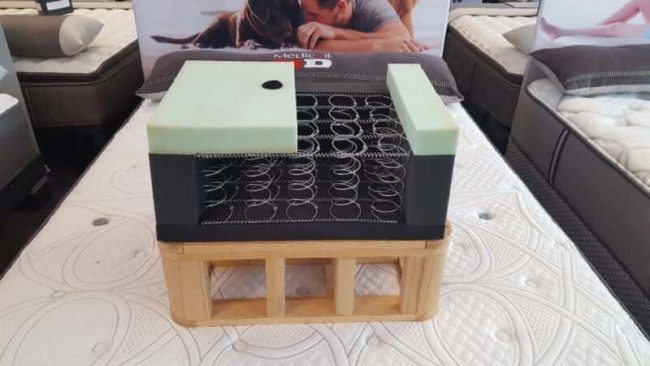
On the opposite end of the design philosophy, the MediCoil HD line uses Leggett & Platt’s Hinge-Flex® system: far fewer coils (around 450 in queen), but with a much thicker wire strategy noted on this page. Leggett & Platt also highlights Hinge-Flex’s knotted offset design and tighter helical construction as key contributors to its strength and durability.
The takeaway: more coils can be stronger, and fewer coils can be stronger—when the whole design is engineered for durability.
Coil Types
Type Matters
Understanding Differences
Various coil types, including Pocketed, Bonnell, LuraFlex (LFK), Continuous, Offset, and more, provide distinct advantages. Learn how each influences comfort, motion transfer, and support.
Standard Mattress
Standard mattresses employ a variety of coil types, each offering distinct benefits that influence the mattress’s overall performance in terms of motion transfer, pressure relief, and durability. Bonnell coils are one of the most traditional and widely used types in standard mattresses. These hourglass-shaped springs are interconnected by a metal mesh, creating a sturdy and uniform support system. Bonnell coils provide a firm and supportive feel, making them ideal for individuals who prefer a more solid sleeping surface. However, their interconnected design can result in higher motion transfer, meaning that movements on one side of the bed are more likely to be felt on the other side, which might be a consideration for couples.
In contrast, pocketed coils feature individually wrapped springs that operate independently from one another. This design significantly reduces motion transfer, as movements in one pocket do not affect the others, providing a more undisturbed sleep experience for partners. Additionally, pocketed coils offer superior pressure relief by allowing the mattress to contour closely to the body’s unique shape, alleviating pressure points and enhancing overall comfort. Continuous coil systems, another popular option in standard mattresses, consist of a single, uninterrupted wire that forms a series of connected coils. This construction ensures even weight distribution and consistent support across the entire mattress surface, contributing to a firmer, more bouncy feel which may transfer more motion than other spring types.
vs. Heavy Duty Mattress
Heavy-duty mattresses incorporate specialized coil types designed to provide exceptional support, minimize motion transfer, and ensure long-lasting durability under greater stress. Heavy-duty pocketed coils are individually wrapped springs made with stronger materials, allowing them to handle heavier weights while maintaining motion isolation and targeted pressure relief. This design ensures that each coil responds independently, providing consistent support and comfort for heavier individuals.
Another key feature in heavy-duty mattresses is the zoned coil system, where different areas of the mattress use varying coil strengths to offer enhanced support where it’s needed most, such as firmer coils in the lumbar region for better spinal alignment and softer coils in the shoulder and hip areas for added comfort. Additionally, coil-in-coil designs combine multiple layers of coils to create a more resilient and supportive structure. This layered approach enhances durability and distributes weight more evenly, reducing wear and maintaining the mattress’s integrity over time.
By utilizing heavy-duty pocketed coils, zoned support systems, and coil-in-coil constructions, heavy-duty mattresses deliver robust support, reduced motion transfer, and extended longevity. These advanced coil types ensure that the mattress can withstand higher weights and daily use, making them ideal for individuals seeking maximum durability and superior support in their sleeping surface.
Coil Gauges
Thickness & Strength
Thickness & Strength
The coil gauge measure the thickness of the coils. A lower gauge means a thicker, firmer coil, while higher gauges are softer. Gauge affects both support and feel, and there is an important balance.
Standard Mattress
Standard mattresses typically use coil gauges ranging from 14 to 16, which strike a balance between comfort and support for individuals with average body weights. 14-gauge coils are moderately thick, providing sufficient firmness and durability for everyday use. They offer a good level of support without being overly rigid, making them suitable for a wide range of sleepers. 15 and 16-gauge coils are slightly thinner, allowing for a softer feel while still maintaining adequate support and longevity. These gauges are ideal for those who prefer a more cushioned sleeping surface and do not require the extra strength needed for heavier weights. Standard coil gauges ensure that the mattress remains comfortable and supportive over time, resisting sagging and maintaining its shape with regular use.
vs. Heavy Duty Mattress
While many heavy-duty mattresses lean on thicker wire in the 12–14 gauge range, some HD designs achieve exceptional strength through high-density, smaller-diameter coil engineering paired with very high counts. The TheraLuxe QLX® HD All-Quantum system is a good example of that approach, using a high-count 17-gauge pocketed core to create a dense, highly supportive grid that distributes weight extremely evenly.
Comparison of Foam Types and their impact on durability
Foam Type
Density (lb/ft³)
Durability
Comfort Level
Pros
Cons
Memory Foam (Low Density)
1.5-3lb
(Low)
Soft
Conforming
Fluffy
Affordable
Quick Adaptation
Lightweight
Less Durable
Prone to Sagging
May Retain Heat
Memory Foam (High Density)
3.5 – 5lb
(High to Very High)
Firm
Supportive
Conforming
Excellent Durability
Superior Pressure Relief
Better Motion Isolation
Higher Costs (Sometimes Significant)
Heavier
Can sleep hot if not mitigated
Copper- Infused Cu29Gel
2.7 – 3.3lb
(High)
Medium to
Firm
Cooler Feel
Antimicrobial
Heat Dissipation
Good Support
Higher Cost
Heavy
Limited Availability
Polyurethane Foam (Regular)
1.0 – 1.5lb
(Low to Very Low)
Medium to
Firm
Very Affordable
Lightweight
Good for Temporary Use
Least Durable
Loses Shape Quickly
Poor Support for Heavier Individuals
High-Resilience (HR) Polyfoam
1.8 – 3lb
(Medium)
Medium to
Firm
Good Support
More Durable than Regular Polyfoam
Responsive Feel
More Expensive Than Regular Polyfoam
Not as Conforming as Memory Foam
Limited Availability
Dunlop Latex
4.5 – 5.5lb
(Very High)
Firm
Supportive
Extremely Durable
Natural
Hypoallergenic
Can Be Too Firm For Some
Heavy
Expensive
Talalay Latex
3 – 4lb
(High to Very High)
Soft to
Medium Plush
Pressure Relief
Breathable
Responsive
Slightly Less Durable Than Dunlop
Expensive
May Lack Firmness Heavier Sleepers Look For
Wool Layers
N/A
(Very High)
Soft
Cushiony
Slightly Bouncy
Natural Temperature Regulation
Moisture-wicking
Sustainable
May Compress Slightly if Not High Quality Wool
Very Expensive
Limited Availability
Microcoils
N/A
(High to Very High)
Medium
Highly Responsive
Excellent Airflow
Durable
Adds Bounce
Increases Weight
Higher Cost
Limited Availability
Serene™ Foam
2 – 3lbs
(High)
Soft, Conforming
Supportive Air Technology™
Good Temperature Regulation
Effective Motion Isolation
Cost-Effective
Limited Long-Term Durability Info
Fewer Firmness Options
HyPURGel™
3lb
(High to Very High)
Bouyant
Plush Adaptive Feel
Responsive
2x Airflow of Memory Foam
Gel infusion
Resists Bottoming Out
Higher Cost Due to Specialty Foam
Limited Firmness Options
Limited Availability
Understanding Foam Durability and the Role of Springs
Why Foam Matters for Durability
Understanding the Importance of Foam in Mattresses
Foam layers are the essence of comfort and play a crucial role in the longevity of a mattress. While spring systems provide the fundamental structural support, the foam layers are what truly shape the sleeping experience by molding to your body’s unique contours, delivering personalized support, and enhancing comfort. The quality, type, and construction of the foam layers dramatically influence how well a mattress adapts, maintains its shape, and continues to perform over its lifespan.
Foam is versatile—each layer within a mattress can serve a different purpose, such as pressure relief, heat dissipation, or enhancing support. This versatility is what allows mattresses to cater to a wide variety of sleep preferences. Whether it’s the plushness of memory foam or the resilience of latex, the right combination of foam materials makes all the difference in comfort, support, and long-term satisfaction.
The Important Roles of Foam in a Mattress:
- Conforming Support
- High-quality foams are engineered to adapt precisely to your body shape, reacting to both pressure and temperature to cradle you in a way that’s unique to your sleeping position and build. This conforming property ensures that weight is distributed evenly, reducing stress on the spine, neck, and joints. Unlike traditional spring systems that provide uniform resistance, foam layers offer a personalized response, meaning heavier parts of your body, like the hips and shoulders, receive more cushioning, while lighter areas maintain adequate support. This balance promotes a more neutral spinal alignment, which is key for reducing back pain and improving sleep posture. <br>
- Pressure Relief
- The density and composition of foam layers are critical to their ability to alleviate pressure points. High-density foams, such as memory foam or specialized gel-infused foams, cushion the body in a way that relieves pressure on common problem areas, like the hips, shoulders, and lower back. By reducing these concentrated pressure zones, foam helps prevent numbness and discomfort, leading to fewer nighttime awakenings and deeper, more restorative sleep. When pressure is effectively dispersed, you’re less likely to toss and turn, allowing for a more restful and uninterrupted sleep experience.
- Shape Retention
- One of the key benefits of durable, high-quality foam is its ability to retain shape and resist long-term compression or sagging. This resilience means that even after years of use, the foam will continue to rebound and conform as it did when it was new. Cheap, low-density foams can break down quickly, resulting in unsightly body impressions and reduced support. In contrast, quality foams are designed to withstand years of pressure without losing their integrity, ensuring the mattress continues to provide consistent comfort. Shape retention also prevents the feeling of being “stuck” in a rut, as the foam recovers swiftly and adjusts to new positions as you move.
- Longevity
- The type of foam used has a major impact on the overall durability of the mattress. High-density foams, particularly those over 1.5 lb/ft³, are more resistant to wear and tear compared to their lower-density counterparts, making them a wise choice for long-term investment. Specialized foams, such as latex or gel-infused varieties, are not only highly durable but also provide unique benefits—like added breathability or enhanced bounce—that improve the lifespan of a mattress. Quality foams that maintain their integrity reduce the likelihood of needing early replacement, making the mattress both a more comfortable and cost-effective option over time. Investing in a mattress with robust foam components means it will continue delivering a supportive, comfortable sleep surface for many years, with less sagging and degradation.
Additional Considerations:
- Foam Types and Their Benefits:
- Memory Foam:Memory foam is a popular mattress material known for its viscoelastic properties, meaning it responds to both pressure and body heat to mold closely to the sleeper’s shape. As body heat is absorbed, memory foam gradually softens, allowing it to conform precisely to the curves and contours of the body. This property creates a “hugging” sensation that offers targeted support and can relieve pressure on areas like the shoulders, hips, and lower back.One of memory foam’s distinct characteristics is its high-density structure. This density contributes to its durability but also means it has less natural airflow, which can lead to heat retention. To combat this, many modern memory foams incorporate cooling technologies—such as gel infusions or open-cell structures—that enhance breathability and regulate temperature for a more comfortable sleep environment.Memory foam’s slow response to movement is both an advantage and a potential drawback. While it minimizes motion transfer—ideal for couples who want to avoid sleep disturbances—it can also make repositioning on the mattress feel somewhat restricted. This quality is referred to as limited bounce; the foam absorbs energy rather than rebounding, which can lead to a “stuck” sensation when changing positions.For sleepers who prioritize pressure relief and prefer a close-contouring sleep surface, memory foam offers a tailored solution. Unlike latex and hybrid options, which emphasize responsiveness and breathability, memory foam excels at personalized support and motion isolation, making it especially appealing for those seeking a more immersive, undisturbed sleep experience.
- Latex Foam:Latex foam’s unique properties make it an appealing choice for sleepers seeking a responsive, breathable, and durable mattress. Constructed with a naturally open-cell structure, latex foam promotes airflow across the mattress surface, helping to dissipate heat more effectively than many other foams. This breathability not only contributes to a cooler sleep environment but also prevents moisture buildup, which can extend the mattress’s lifespan.Unlike memory foam, which relies on body heat to soften and mold around the sleeper, latex foam provides a consistent level of contouring and support without temperature fluctuation. This temperature neutrality makes it well-suited for those in warmer climates or for people who tend to sleep hot, as it retains significantly less heat.Additionally, latex foam’s elasticity ensures an instantaneous response to movement: as pressure is applied, the foam compresses proportionally to body weight, yet springs back immediately when the pressure is lifted. This quality allows for easy repositioning, making latex a favored option for combination sleepers or those who dislike the “stuck-in-the-mud” sensation often associated with memory foam.
- Polyurethane Foam:Polyurethane foam is one of the most versatile materials used in mattress construction, valued for its wide range of firmness and density options. Known for its adaptability, polyurethane (or polyfoam) can be crafted to suit various comfort and support needs, from soft, cushioning layers to firmer, more supportive cores. This versatility allows manufacturers to use polyfoam in many different mattress roles, including comfort layers, transition zones, and support systems.One of the appealing aspects of polyurethane foam is its responsiveness. It offers a light bounce, which allows for easier movement compared to denser foams, such as memory foam. This makes polyfoam a popular choice for those who prefer a sleep surface that doesn’t conform too closely or restrict movement. Additionally, polyurethane foam’s affordability makes it accessible for a range of budgets, from entry-level mattresses to more premium designs.Because of its flexibility, polyfoam can be engineered to meet diverse preferences, often layered with other materials like memory foam or latex to enhance the mattress’s overall feel. For sleepers seeking a balance of support and softness, polyurethane foam offers a practical solution with countless variations, making it a core component in many mattresses today.
- Cooling Considerations:
- Modern foam mattresses often include gel-infused layers, copper particles, or open-cell foam structures to enhance airflow and mitigate heat buildup. These cooling features help regulate your body temperature throughout the night, preventing overheating—a common issue with older foams.
- Comfort Layer vs. Support Layer:
- Foams are also layered with different purposes—comfort layers are typically softer and closer to the surface, while support layers beneath provide the structure needed for healthy spinal alignment. This layering creates a balanced sleep environment that offers plushness without sacrificing the structural integrity needed for optimal back support.
Foam materials significantly shape a mattress’s overall comfort, support, and longevity. High-quality foam layers create a sleep experience that is not only tailored to your body’s needs but also enduring, ensuring that the mattress provides you with quality rest night after night.
The Role of Springs in Mattresses
Understanding the Importance of Springs in Mattresses
Springs, or coils, are the foundation of support in traditional mattresses. They form the core that provides firmness, resilience, and structural integrity. Unlike foam, which molds to your body for personalized comfort, springs are designed to maintain a consistent level of support and create the mattress’s fundamental shape and bounce. The arrangement, type, and gauge of springs all play vital roles in how a mattress feels and performs, contributing significantly to comfort, support, durability, and airflow.
Springs can work alongside foam to create hybrid systems that combine the best of both worlds: the deep support of coils with the body-contouring comfort of foam. A well-designed spring system ensures that weight is evenly distributed, motion transfer is minimized, and the sleeper remains comfortably supported throughout the night.
What Springs Provide in a Mattress
- Consistent Support
- Springs are essential for providing a stable and firm foundation for the upholstery and person on top. They offer consistent support across the entire sleep surface, ensuring that your body doesn’t sag too deeply. This stability is particularly important for spinal alignment, as it helps keep your back in a neutral position throughout the night, which can alleviate or prevent back pain. Unlike foam, which compresses based on weight and temperature, springs maintain a relatively uniform level of resistance, making their use an excellent choice for those who prefer a supportive sleep experience that doesn’t envelop the body as much.
- Responsive Bounce
- Springs add a level of responsiveness that makes it easier to move around on the mattress. This feature is particularly beneficial for those who frequently change sleeping positions or do not like the “stuck-in-the-mud” feeling that some foam mattresses can produce. The bounce provided by springs makes getting in and out of bed easier and contributes to a livelier sleep surface that promotes comfort without too much contouring. This responsiveness is also advantageous for couples, as it allows for easier movement without disturbing a partner as much as non-responsive materials might.The entire reason hybrid mattresses came about was to address the limitations inherent in traditional memory foam mattresses. Originally, memory foam mattresses featured a foam core with a smooth top, often lacking the necessary quilting or additional layers that enhance comfort and usability. While memory foam excels at contouring to the body and providing excellent pressure relief, it tends to make movement on the mattress more difficult. This rigidity can create challenges when trying to shift positions during the night or when getting in and out of bed, leading to the cumbersome “stuck-in-the-mud” sensation. Additionally, memory foam has a propensity to retain heat, resulting in a warmer sleep environment that can be uncomfortable for many sleepers.Manufacturers sought to combine the best features of memory foam with the advantages of spring systems, leading to the creation of hybrid mattresses. By integrating high-quality springs with memory foam layers, hybrid mattresses offer a balanced solution that enhances both responsiveness and comfort. The spring components provide the necessary bounce and support, making it easier to move and roll around on the mattress. This integration mitigates the rigidity of pure memory foam designs, ensuring that sleepers can change positions effortlessly and enjoy a more dynamic sleep experience.Moreover, hybrid mattresses improve airflow compared to traditional memory foam mattresses. The presence of springs creates channels that enhance ventilation, promoting better temperature regulation and reducing heat retention. This results in a cooler and more breathable sleep surface, addressing one of the major drawbacks of memory foam. Enhanced airflow not only contributes to a more comfortable night’s sleep but also extends the lifespan of the mattress by preventing excessive heat buildup and moisture accumulation.In addition to improved mobility and airflow, hybrid mattresses offer superior support by combining the contouring properties of memory foam with the structural benefits of springs. This combination ensures that the mattress can adapt to various body shapes and weights, providing targeted support where it’s needed most. For couples, this means reduced motion transfer, as the springs absorb movement and prevent disturbances from a partner’s movements, leading to a more restful and uninterrupted sleep.Ultimately, hybrid mattresses were developed to provide the best of both worlds: the luxurious comfort and pressure relief of memory foam, combined with the dynamic responsiveness and support of spring systems. This innovative design caters to a wide range of sleepers, offering versatility and enhanced performance that pure memory foam or traditional spring mattresses alone could not achieve. By addressing the key issues of movement difficulty and heat retention, hybrid mattresses have become a popular choice for those seeking a balanced and comfortable sleep experience.
- Edge Support
- One of the significant benefits of spring systems is their ability to provide enhanced edge support. The firmer coils around the perimeter of the mattress prevent it from collapsing when you sit or lie near the edge, expanding the usable sleep surface. This feature is essential for people who tend to sleep toward the edge or need the extra support when getting out of bed. A mattress with good edge support ensures that the entire surface area is supportive, which is not always the case with all-foam mattresses, where the edges can compress significantly more than the center.
- Breathability and Airflow
- The open structure of spring systems allows for natural airflow, helping to regulate temperature throughout the night. This breathability is a crucial advantage over many foam mattresses, which can retain heat and lead to overheating. The air circulating through the coils helps disperse heat and moisture, creating a cooler sleeping environment. This feature is particularly beneficial for people who tend to sleep hot or live in warmer climates. The combination of coils and breathable fabric layers makes spring mattresses ideal for maintaining a fresh, cool sleep surface.
Additional Considerations:
- Types of Spring Systems:
- Bonnell Coils: These are the traditional hourglass-shaped coils and are known for their affordability and durability. They provide a firmer feel and are often used in budget or guest room mattresses.
- Pocketed Coils: Also known as individually wrapped coils, these are designed to move independently, which significantly reduces motion transfer between partners. This design allows for targeted support, as each coil responds only to the pressure applied directly to it.
- Continuous Coils: Made from a single piece of wire, continuous coils provide excellent durability and are often used in mattresses that need to offer firmer support with minimal motion transfer.
- Coil Count and Its Impact:
- The number of coils in a mattress influences its ability to distribute weight evenly and provide targeted support. Higher coil counts generally mean more individual support points, resulting in a more comfortable sleep experience with better body contouring. This is especially noticeable in pocketed coil systems, where higher coil counts reduce pressure on specific areas and increase overall comfort.
- Coil Gauge – Firmness vs. Softness:
- Coil gauge refers to the thickness of the wire used to create the springs. Lower gauge numbers indicate thicker, firmer coils, which provide a stiffer, more supportive feel. Higher gauge numbers correspond to thinner, more flexible coils that offer a softer, more cushioned feel. Choosing the right coil gauge can help tailor the mattress’s support to the sleeper’s preference, balancing between firmness for back support and softness for comfort.
- Hybrid Systems:
- Many modern mattresses combine spring systems with foam layers to create hybrid designs that deliver the benefits of both materials. Hybrid mattresses typically use pocketed coils to provide individualized support, while layers of memory foam or latex add comfort and contouring. This combination makes hybrids highly versatile, catering to a wide range of sleep preferences by offering both bounce and body-conforming comfort.
- Durability and Support Longevity:
- Springs are highly durable and tend to maintain their supportive properties for many years, provided they are made from quality materials. Unlike low-quality foam that can break down over time, springs are less susceptible to permanent body impressions. A well-constructed spring system will continue to support the mattress’s structure, ensuring longevity without sagging or unevenness.
Springs are the backbone of traditional and many hybrid mattresses, offering a firm and consistent level of support that can be tailored to individual needs through coil type, count, and gauge. The right spring system not only enhances comfort but also improves the mattress’s breathability and durability, making it a crucial element in the overall sleep experience.
How Foams and Springs Work Together
Understanding How Foams and Springs Work Together in Mattresses
Foams and springs together form a powerful combination that brings out the best in both materials, creating a sleep surface that balances comfort from foams, support from springs, and responsiveness. The springs provide the foundational structure and resilience, while the foam layers enhance contouring, comfort, and pressure relief. When used in harmony, foams and springs complement each other’s strengths, offering a balanced mattress experience that appeals to a wide range of sleepers.
Hybrid mattresses, which integrate both springs and foam, are designed to deliver the benefits of both technologies—support and bounce from coils paired with the contouring and cushioning effects of foam. This blend allows for superior pressure relief, targeted support, breathability, and durability, creating a versatile sleeping solution.
Important Notes
- Balanced Comfort and Support
- Springs and foams work together to offer both stability and comfort in a way that neither material can achieve alone. Springs provide the structural support needed to keep your body aligned, while the foam layers adapt to your body’s shape to deliver cushioning and pressure relief. The spring system forms the base that supports the entire weight of the body, reducing the risk of sinking too deeply, which can cause poor spinal alignment. Meanwhile, foam layers on top conform to the body’s curves, offering a plush sleeping experience that reduces pressure points. This balance helps to maintain a neutral spine, crucial for reducing discomfort and enhancing overall sleep quality.
- Enhanced Pressure Relief with Support
- The combination of foam and springs results in enhanced pressure relief compared to traditional innerspring-only mattresses. While the springs act as a support system, keeping the body elevated and well-aligned, the foam layers above them work to alleviate pressure by evenly distributing body weight. Memory foam or latex layers are often used to cushion areas like the shoulders and hips, which are prone to high pressure when lying down. The springs below provide the underlying support that prevents the body from sagging, thus enhancing overall comfort without sacrificing firmness. This dual action helps in mitigating discomfort, especially for side sleepers who often need more give in the mattress to accommodate their hips and shoulders.
- Motion Isolation with Responsive Bounce
- Pocketed coil systems combined with foam create a mattress that excels at both motion isolation and responsiveness. The foam absorbs movements, significantly reducing the transfer of motion across the bed, which is crucial for couples who do not want to be disturbed by their partner’s movements. At the same time, the individual springs add responsiveness, making the mattress more adaptable and bouncy compared to an all-foam model. This dual functionality provides the lively feel of an innerspring while maintaining the tranquil, absorbing qualities of foam, delivering the best of both worlds—supportive bounce with minimal disturbance.
- Temperature Regulation and Airflow
- Springs and foam layers work together to create a cooler sleeping environment compared to all-foam mattresses. The open structure of the spring system allows for ample airflow throughout the mattress, helping to disperse heat and moisture. Many hybrid designs incorporate advanced foam technologies like gel-infused or open-cell foams to improve temperature regulation further. The spring layer helps air move freely, preventing the heat buildup that can sometimes occur in dense foam mattresses. This airflow enhances overall comfort and helps maintain a comfortable sleeping temperature, which is particularly beneficial for hot sleepers.
Additional Considerations:
- Layered Design for Optimal Comfort:
- Hybrid mattresses are typically designed with multiple layers, each serving a distinct purpose. The bottom layer of springs provides the support and resilience, while the foam layers above gradually increase in softness and conformability. These comfort layers can include memory foam, latex, or polyurethane foam, each contributing different qualities, from body contouring to cooling effects. This layering allows manufacturers to tailor the mattress to cater to specific sleep needs, such as providing a softer surface feel while maintaining firm underlying support.
- Coil Types for Targeted Support:
- Pocketed coils are often used in hybrid mattresses to provide targeted support, responding independently to different parts of the body. This independent movement allows the foam layers to focus on pressure relief, while the coils work to keep the spine aligned and distribute weight evenly. The combined action of pocketed coils and adaptive foam makes hybrid mattresses ideal for couples with different comfort needs or those who want both pressure relief and strong support.
- Zoning for Enhanced Comfort:
- Some hybrid mattresses feature zoning, where the spring or foam layers are divided into regions that provide different levels of support or softness based on the body’s natural contours. This design takes advantage of both materials, placing firmer springs or denser foams in areas that need more support, like the lower back, while using softer materials in regions that require more give, such as the shoulders. Zoning helps create a tailored sleeping experience that keeps the spine aligned while providing comfort precisely where it’s needed.
- Durability and Shape Retention:
- The combination of springs and foam enhances the mattress’s durability. Springs provide the structural foundation that prevents sagging, while high-quality foam layers resist body impressions and retain their shape over time. Unlike all-foam mattresses, which can lose their supportive qualities with age, hybrid mattresses benefit from the robust support of coils, ensuring a longer lifespan. This combination means that the mattress continues to offer the same level of comfort and support for many years, providing good value for the investment.
- Edge Support and Usable Sleep Surface:
- Many hybrid mattresses incorporate reinforced edges, where the springs around the perimeter are firmer, creating stronger edge support. This not only expands the usable sleep surface but also makes it easier to sit or get out of bed. The foam layers complement this support by providing additional comfort at the edges, making the entire surface of the mattress comfortable to use, which is a common issue in purely foam-based mattresses.
Springs and foam work together in hybrid mattresses to create a balanced, supportive, and comfortable sleep experience. The unique qualities of each material—springs for structure and bounce, foam for contouring and pressure relief—are leveraged to create a sleep surface that meets a wide range of sleep needs. By combining the strengths of both, hybrid mattresses provide the best of both worlds: durable support, enhanced comfort, excellent motion isolation, and breathability for a truly restorative sleep.
Benefits of High-Quality Foams/Materials
High-quality foams and materials are what set exceptional mattresses apart, and this is evident in collections like Stearns & Foster, Therapedic HD Series, and Capitol Bedding. Stearns & Foster prides itself on luxurious comfort, using premium gel-infused memory foams that cradle the body while providing targeted pressure relief, creating a plush and cloud-like sleep experience. Meanwhile, Therapedic’s HD Series utilizes heavy-duty, high-density foams specifically engineered for enhanced durability and resilience, offering consistent support for sleepers who need extra reinforcement without sacrificing comfort. Capitol Bedding, with its handcrafted approach, emphasizes quality at every level, using foams that provide a balanced combination of softness and structural integrity, ensuring long-lasting comfort. Across these brands, high-quality materials translate to tangible benefits—foams that hold their shape for years, resist sagging, and deliver better temperature regulation for a cool, comfortable sleep. Whether it’s the luxury of Stearns & Foster, the robust performance of Therapedic HD, or the tailored craftsmanship of Capitol Bedding, investing in premium materials ensures a supportive, comfortable sleep that endures night after night.
Edge Support Systems in Standard vs. Heavy-Duty Mattresses
Edge support is a critical component of mattress design that enhances both durability and, more importantly, usability. While the core function of springs in a mattress is to provide foundational support and prevent a body from hammocking into the mattress, the edge support system ensures that the mattress maintains its shape and offers a consistent sleeping surface across its entire perimeter.
Standard Edge Support Systems
Most standard mattresses incorporate an inexpensive foam edge support, or simply run the spring system all the way to the edge of the bed. This configuration provides basic reinforcement, preventing the edges from collapsing and allowing sleepers to utilize the entire surface area comfortably. While adequate for every day use, the lack of a firmer edge support may leave some people feeling like they are rolling off the edge of the mattress while sleeping or sitting near the edge.
Heavy-Duty Edge Support Systems
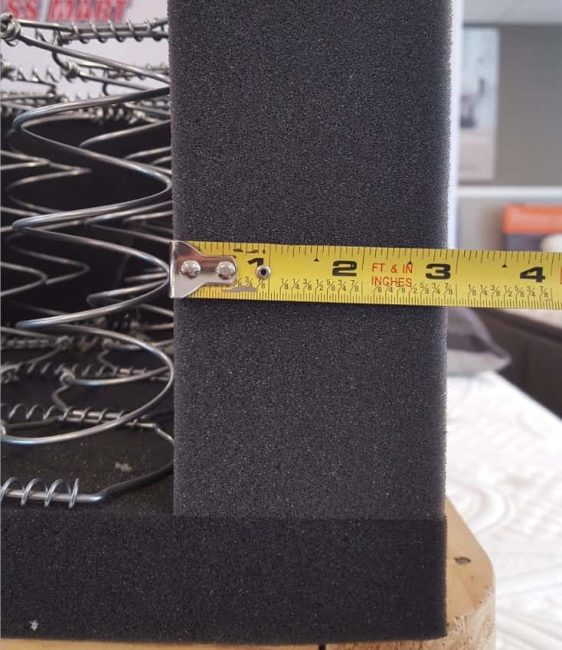
In contrast, heavy-duty mattresses like the Therapedic HD collections elevate edge support to premium levels. These mattresses feature a robust 3-inch, 50lb compression foam edge combined with the Quantum QLX HD Spring system. This combination offers a significantly firmer seating surface, enhancing stability and durability. The thicker foam layer provides exceptional resistance to compression, ensuring that the mattress retains its shape and support even under heavier weights and frequent use.
Diverse Edge Support Technologies
Beyond Quantum and Therapedic HD systems, the market offers various edge support technologies tailored to different needs:
- Reinforced Foam Borders: High-density foam encasements around the mattress edges add an extra layer of support, preventing edge sagging and enhancing overall mattress stability by increasing stability.
- Clipped-on Springs: Typically used in mattresses that still sport a steel border rod, these types of edge systems were essentially indestructible, however they sometimes were more harsh to sit on than other styles as the steel edge sometimes dug into the back of a persons thighs when they sat down.
- Hybrid Systems: Combining foam and coil-based edge supports leverages the strengths of both materials, offering superior durability and comfort.
Investing in a mattress with a superior edge support system not only prolongs its lifespan but also enhances the overall sleeping experience by providing a consistent and reliable support structure.

Comparison of Standard vs. Heavy-Duty Mattresses: Putting it all Together
Feature
Standard Mattresses
Heavy-Duty Mattresses
Foam Type:
– Memory Foam (Low to High Density)
– Polyurethane Foam
– Gel-Infused Foam
– Copper-Infused Hypur Foam
– High-Resilience (HR) Foam
– Latex Varieties
Foam Density (lb/ft³)
– Memory Foam (1.5 – 3lb)
– Polyurethane Foam (1.0 – 1.5lb)
– Gel-Infused Foam (1.5 – 3lb)
– Copper-Infused Hypur Foam (3.5lb)
– HR Polyfoam (2.5 – 3lb)
– Dunlop/Talalay Latex (3 – 5lb)
Spring System
– Between 500 – 800 Coils
– Standard LFK or Bonnell Spring
– Continuous Coil
– 800+ Coils
– Quantum QLX HD Spring System
– Coil-in-Coil Design
– HingeFlex™ Spring 12.5 Gauge Wire
Edge Support
– None
– Thinner, Polyurethane Foam Edge – Spring Clips
– 3″ 50-80lb Compression Foam Edge
– Quantum 17gauge Spring Edge
– Reinforced Foam Borders
Longevity
Lower density foams tend to take a set faster
leading to body impressions and inconsistent feels.
Higher density and specialty materials
(Serene®, HypurGel, Latexes, Wool, Microcoils, etc.)
hold their shape and their feel much
more consistently and retain shape much longer.
Comfort Level
Comfort is subjective
Comfort is subjective
Motion Isolation
Generally good, depending on spring type.
LFK, Bonnell, and Continuous coil units tend to
have a more traditional ‘bouncy’ feel.
Generally the best, given pocketed coils
or foam core will generally isolate motion
for more comfortable sleeping
Temperature Regulation
– Fewer temperature-regulating materials
– Standard memory foams may retain heat
Significant use of infused or breathable materials
allow better airflow and temperature regulation
than other, less expensive beds.
Prince Range
– Value Items to Mid-Range
– Mid-Range to Ultra-Premium
Warranty
– Typically 5 – 10 Years
– Typically 10 years.
– Some, including HD, have 20 year warranty
Weight
Lighter due to standard materials
and lower density foams
Heavier due to high-density foams
and more robust spring systems
Summing it all up
Choosing the right mattress is pivotal for ensuring restful nights and long-term comfort. As illustrated in the comparison above, heavy-duty mattresses stand out with their superior durability, enhanced edge support, and advanced materials that far exceed standard options. Features like the robust 3-inch, 50lb compression foam edges paired with Quantum QLX HD springs provide a firmer, more stable sleeping surface that maintains its integrity even under frequent or heavy use. This combination not only prevents sagging but also offers consistent support and a comfortable seating experience. Investing in a heavy-duty mattress means committing to quality and longevity, ensuring that your mattress remains supportive and comfortable for years to come. Elevate your sleep experience by exploring our premium heavy-duty mattress collection today, and discover the unparalleled benefits that set our mattresses apart from the rest.
View our entire selection of heavy duty bedding

Mattresses to help you sleep well and live better.